LiFePO4 energy storage supplier since 2018 · OEM/ODM supported
[email protected] English · USD / EUR / GBP / AUD / CAD
0%

A Home Energy Storage System can keep essential circuits running when the grid fails, store excess rooftop solar, or shift electricity use away from expensive peak hours. The right choice depends on more than battery size. Power output, usable capacity, inverter compatibility, warranty terms, and installation conditions all matter.

The market is expanding quickly. The International Energy Agency reported that global battery-storage capacity additions reached about 42 gigawatts in 2023, more than 130% above the previous year, in its 2024 report Batteries and Secure Energy Transitions. That growth reflects rising demand for flexible power, though global figures do not predict the savings or backup performance of any one household system. Local electricity rates and utility rules can change the calculation.

This guide compares seven home energy storage systems for 2026, focusing on practical differences buyers can verify: capacity, continuous output, expandability, monitoring, and warranty coverage. Small details matter. A system rated for high output may still need careful circuit planning to run an air conditioner, refrigerator, and lights together. Product specifications also cannot guarantee a smooth installation; home wiring, climate, and installer experience affect results. No single model suits every home, and published specifications rarely tell the whole story. Use this shortlist as a starting point, then confirm current specifications and installation requirements with the manufacturer and a qualified local installer.
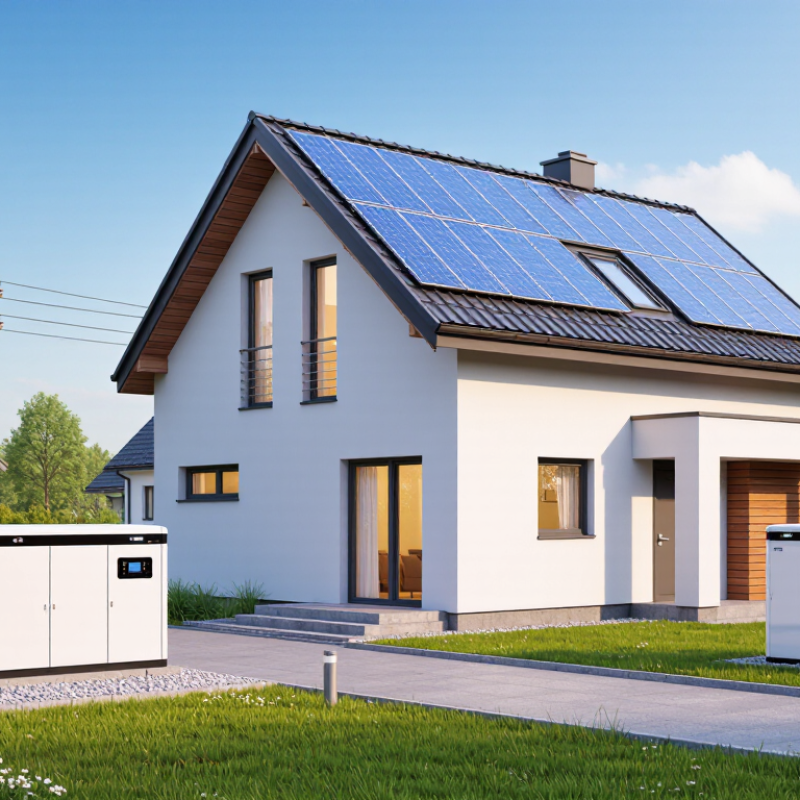
7 Best Home Energy Storage Systems in 2026

Home Storage Basics: 5–20 kWh Capacity and 85–95% Round-Trip Efficiency

Home storage is measured in kilowatt-hours (kWh), which describe energy capacity, not the power a battery can deliver at once. A 5–20 kWh system is a useful planning range, but household needs vary. The U.S. Energy Information Administration reported average residential electricity use of 10,791 kWh in 2022, or about 29.6 kWh per day. That national average is only a reference: heating, cooling, and local weather can change the picture. A 10 kWh battery will not automatically power an entire home overnight.

Round-trip efficiency describes how much stored energy comes back out after charging and discharging. NREL’s 2024 Annual Technology Baseline uses 85% efficiency for utility-scale lithium-ion storage; home systems may differ, so compare each system’s stated measurement method. An 85–95% figure is a useful screening range, not a promise of everyday results. Inverter losses, temperature, and backup reserves matter. Small details add up. I would not size a system from a sunny-day estimate alone; a week of actual household use is a better starting point.

How to Compare Seven Systems by Usable kWh, Continuous kW, and Warranty

When comparing seven home energy storage systems, separate usable capacity from advertised capacity. Usable kilowatt-hours indicate how much stored energy appliances can draw. Continuous kilowatts show how many devices can run at once. A fridge, lights, and router may need modest power; a well pump or electric cooker can raise peak demand sharply. Check whether the quoted output applies during backup operation, not only when the grid is available.

Scale matters. The U.S. Energy Information Administration reported average residential electricity use of 10,791 kWh in 2022, or about 29.6 kWh daily. That national average is context, not a household sizing target: heating, climate, and backup priorities change the calculation. NREL’s 2024 Annual Technology Baseline uses 85% round-trip efficiency for utility-scale lithium-ion storage. That is a useful reference, not a direct rating for a residential unit.

A spec sheet can still mislead. Compare warranty years alongside guaranteed capacity retention and any energy-throughput limit. Ask what counts as a cycle, and whether the warranty assumes specific temperatures or operating conditions. I would not rank systems by warranty length alone; the fine print can matter more than the headline. A slightly imperfect comparison is unavoidable unless every system is tested under identical loads.

Seven Systems Compared: Powerwall 3 (13.5 kWh/11.5 kW) and IQ 5P (5 kWh/3.84 kW)

For a 2026 home-storage shortlist, compare usable energy and continuous output, not capacity alone. One system is rated at 13.5 kWh and 11.5 kW; the other at 5 kWh and 3.84 kW. The larger unit can store more energy and support heavier simultaneous loads. The smaller unit may fit a modest evening load or a tighter installation space. Ratings do not reveal backup duration by themselves.

The U.S. Energy Information Administration reported average residential electricity use of about 10,791 kWh per customer in 2022, roughly 29.6 kWh daily. Neither battery would power an average home for a full day without careful load management. NREL’s 2024 Annual Technology Baseline uses roughly 85% round-trip efficiency in battery-storage modeling; actual home performance varies with temperature, inverter losses, and operating conditions. That comparison is useful, but incomplete.

Tip: List the appliances you need during an outage, then add their running watts and startup surges. A refrigerator, router, and a few lights draw far less than electric heating or cooking. Check usable capacity, backup-power limits, solar compatibility, warranty terms, and installation costs before choosing. A bigger rating can still disappoint if critical circuits are not wired to the backup panel.

Home Energy Storage: Capacity and Power

A comparison of two anonymized systems using the specifications shown in the source title. Energy capacity (kWh) and power rating (kW) use separate axes and are not directly comparable.

Sizing Backup Power: Match Battery Capacity to Peak and Everyday Loads

Start by separating power from energy: kilowatts describe what a battery can run at once, while kilowatt-hours describe how long it can run. List the devices you need during an outage, such as a refrigerator, Wi-Fi router, lights, and a medical device. Add their likely simultaneous wattage, then check each appliance’s startup surge; a refrigerator compressor can briefly draw more than its normal running load. A battery may have enough stored energy but still lack the output to start a demanding appliance. That gap matters.

For everyday backup, estimate each essential load’s use over several hours. For example, a combined 500-watt load running for eight hours needs about 4 kilowatt-hours before conversion losses. Compare that figure with the system’s usable capacity, not just its advertised total, and leave room for longer outages or cloudy days. Keep a margin. Also check inverter output and whether the system can recharge from your available power sources. Real household use is uneven: lights switch off, but a refrigerator cycles unpredictably. Your first estimate may be wrong, so review actual energy use after installation and adjust priorities rather than buying capacity based on guesswork.

7 Best Home Energy Storage Systems in 2026 — Sizing Backup Power: Match Battery Capacity to Peak and Everyday Loads
Home Backup Setup Usable Battery Capacity Suggested Continuous Inverter Output Example Everyday Backup Loads Estimated Average Load Target Simultaneous Peak Load Approx. Runtime Best Fit
1. Compact essentials 5 kWh 3 kW Refrigerator, Wi-Fi router, several LED lights, and phone charging 0.5 kW 1.5–2 kW About 9 hours Short outages and a small essential-load circuit
2. Essential circuits 10 kWh 5 kW Refrigerator, lighting, router, television, and intermittent microwave use 0.8 kW 2.5–3.5 kW About 11 hours Overnight backup for selected household circuits
3. Extended essentials 15 kWh 7.5 kW Essential circuits plus a laptop, small kitchen appliances, and a sump pump used intermittently 1.2 kW 4–5 kW About 11 hours Longer outages with moderate, managed electricity use
4. Partial-home backup 20 kWh 10 kW Refrigeration, lighting, electronics, selected outlets, and a small well or sump pump 1.5 kW 5–7 kW About 12 hours Homes backing up several circuits while avoiding large heating loads
5. High-capacity partial home 25 kWh 12 kW Partial-home loads plus more frequent cooking, laundry controls, or a variable-speed HVAC system 2.0 kW 7–9 kW About 11 hours Households with higher daytime use and carefully managed appliances
6. Broad home backup 30 kWh 15 kW Most everyday circuits, refrigeration, electronics, pumps, and limited air-conditioning use 2.5 kW 9–12 kW About 11 hours Larger homes seeking broader coverage without unrestricted electric heating
7. Large-home backup 40 kWh 20 kW Broad household loads, including longer HVAC operation, pumps, and multiple kitchen appliances managed together 3.0 kW 12–16 kW About 12 hours High-use homes or longer backup needs where the electrical service supports the system

How to read these estimates: These are generic system-sizing examples, not specifications or rankings of named products. Runtime estimates assume the listed capacity is usable and allow approximately 10% for conversion losses: runtime ≈ usable capacity × 0.9 ÷ average load. Actual runtime varies with appliance duty cycles, temperature, battery reserve settings, and system efficiency. The target peak load is a planning estimate; check appliance startup surge, inverter ratings, electrical-service limits, and local code requirements with a qualified installer.

Installation and Value: Compare AC/DC Coupling, Cost per kWh, and Warranty Terms

A home battery’s advertised capacity is not the same as usable capacity. Compare installed cost per usable kilowatt-hour: divide the full quote, including electrical work and permits, by the energy the system can actually deliver. AC-coupled systems can suit existing solar setups because they connect on the home’s AC side. DC-coupled systems may reduce conversion steps in some new installations, but compatibility and design matter. Ask an installer to explain the wiring plan, backup circuits, and expected losses in plain language.

Warranty length alone can mislead. Check the covered energy throughput, retained-capacity threshold, and exclusions, then compare them with your likely daily use. A long warranty with restrictive conditions may offer less practical value. Get the details in writing. Quotes should separate battery hardware, labor, panel upgrades, and backup features; otherwise, comparisons get fuzzy. I would also check who handles service if the original installer is unavailable.

Tips: Photograph your electrical panel and note major loads before consultations. Ask for a revised estimate showing cost per usable kWh and warranty limits. If two systems look close, compare their backup duration for the loads you actually need, such as a refrigerator and a few lights. Small details count.

FAQS

What does a home battery’s capacity in kWh tell me?

Kilowatt-hours measure stored energy, not how much power the battery can deliver at once. A 5–20 kWh system is a planning range, not a guarantee that it will power an entire home overnight.

Is 85–95% round-trip efficiency guaranteed?

No. It is a useful comparison range, but actual results depend on the system, temperature, inverter losses, and backup reserves. Check how each system measures efficiency.

How do I estimate the battery size I need?

List essential devices, such as a refrigerator, router, lights, and any medical equipment. Estimate their energy use over several hours, then compare it with usable battery capacity. Keep a margin.

What is the difference between kW and kWh?

Kilowatts describe how much power a battery can supply at once. Kilowatt-hours describe how long it can supply energy. Both matter during an outage.

Why might a battery fail to start an appliance?

Some appliances draw extra power when starting. A refrigerator compressor, for example, may briefly need more than its normal running wattage. Check the battery’s output and the appliance’s startup demand.

How much energy would a 500-watt load use in eight hours?

It would use about 4 kWh before conversion losses. Compare that figure with usable capacity, not just the advertised total. Real use can be uneven.

Should I choose an AC-coupled or DC-coupled system?

AC coupling may suit an existing solar setup. DC coupling may reduce conversion steps in some new installations. Compatibility, wiring, and backup circuits need a closer look.

What should I compare in quotes and warranties?

Divide the full installed cost by usable kWh, including electrical work and permits. Check warranty throughput, capacity limits, and exclusions. Get service arrangements in writing, too. Details matter.

Conclusion

Choosing a Home Energy Storage System starts with understanding how much energy your household needs and how efficiently a battery can store and deliver it. Many home systems offer roughly 5–20 kWh of capacity, with round-trip efficiency commonly ranging from 85% to 95%. When comparing options, look beyond headline capacity: usable kilowatt-hours indicate how much stored energy is available, continuous power determines which appliances can run at once, and warranty terms help clarify expected service life.

To size backup power, consider both peak loads, such as appliances that draw substantial power when starting, and everyday consumption during an outage. Installation and overall value also depend on whether the system uses AC or DC coupling, the cost per usable kilowatt-hour, and the coverage included in its warranty. Matching these factors to your home’s energy habits can help you choose a practical system without paying for capacity or power you are unlikely to use.

Evelyn

Evelyn

Evelyn is a dedicated marketing professional with a strong understanding of the company’s products, customers, and industry landscape. With a thoughtful, research-driven approach, she translates complex product capabilities into clear, practical insights that help readers make informed decisions.......