Flagship Hybrid Solar Inverters & Integrated Storage Systems
Engineered for distributors, commercial developers, and microgrid EPC contractors. Each platform integrates multi-channel MPPT tracking, bidirectional battery PCS, and intelligent EMS energy dispatch.

5 kW Hybrid Inverter & 10.24 kWh LiFePO4 ESS

10 kW Three-Phase Hybrid Inverter & 10.24 kWh Battery

10 kW Stackable Hybrid Grid System & 15.36 kWh ESS

5 kW Hybrid Inverter & 20.48 kWh Extended LiFePO4

10 kW Hybrid Solar Inverter with 20.48 kWh Battery

10–20 kW Split Stackable Hybrid Inverter & ESS

5 kW Hybrid Inverter Coupled with 25.6 kWh LiFePO4

20–30 kW Split Hybrid Inverter System & 25.6 kWh Storage
Decoupling Modern Hybrid Solar Inverter Topologies
Modern hybrid solar inverters represent the convergence of high-voltage photovoltaic conversion, bidirectional DC-to-DC battery coupling, and grid-forming power electronics. Understanding the differences between low-voltage and high-voltage architectures is paramount for utility arbitrage and resilient power backup.
Bidirectional PCS Conversion
Our transformerless hybrid inverters utilize high-speed Silicon Carbide (SiC) MOSFET bridge circuits capable of converting direct current (DC) from solar arrays and battery banks into clean pure sine wave alternating current (AC) with less than 2% Total Harmonic Distortion (THD). Dynamic four-quadrant operation enables reactive power injection and power factor compensation.
UPS-Grade Dynamic Switchover (<10ms)
When grid failure occurs, traditional string inverters shut down due to anti-islanding regulations. Virtuous hybrid platforms feature an integrated automatic transfer switch (ATS) that shifts mission-critical loads to battery and PV power in under 10 milliseconds, safeguarding data centers, automated factory lines, and residential medical gear without momentary blackouts.
Closed-Loop BMS & Multi-Protocol Sync
Our PCS firmware is pre-configured with native CANbus 2.0B, RS-485, and Modbus TCP protocols. This enables real-time handshake communication with CATL, EVE, and tier-1 prismatic LiFePO4 battery management systems (BMS), communicating individual cell temperatures, state of charge (SoC), dynamic charging limits, and over-current protection flags.
| System Architecture | Rated AC Power | Battery Platform | MPPT Voltage Range | Max Efficiency | Cooling Mechanism | Primary Deployment |
|---|---|---|---|---|---|---|
| HES-1005 Residential | 5.0 kW (Peak 10 kW) | 51.2V Low Voltage | 120V – 450V DC | 97.6% | Natural Convection | Urban Residential & Remote Telecom |
| HES-1010 Three-Phase | 10.0 kW (Peak 15 kW) | 160V – 600V High Voltage | 200V – 850V DC | 98.4% | Smart Air Cooling | Luxury Villas & Commercial Offices |
| HES-2510 Split Commercial | 30.0 kW (Peak 45 kW) | 51.2V / High Voltage Flex | 200V – 1000V DC | 98.6% | Redundant Fans (IP65) | Agricultural Cold Storage & Retail Malls |
| BESS-L418 C&I Cabinet | 100 kW – 200 kW PCS | 768V Industrial Rack | 400V – 950V DC | 98.8% | Industrial Liquid Cooling | EV Fast Charging Hubs & Industrial Sites |
| BESS-C5016 Containerized | 1.25 MW – 2.5 MW PCS | 1000V – 1500V Utility Hub | 550V – 1300V DC | 99.0% | Precision Liquid Chiller | Utility Peaking & Island Microgrids |
Future Procurement Trends in Hybrid Inverters (2025–2030)
As global power utilities transition from volumetric feed-in tariffs (FiT) to complex time-of-use (ToU) and capacity charges, EPC procurement officers must future-proof their equipment specifications against grid instability, semiconductor obsolescence, and shifting carbon mandates.
1. Adoption of High-Voltage (>400V) Battery Interfaces
While 48V/51.2V low-voltage systems have historically dominated residential storage due to safety perceptions, procurement is shifting rapidly toward high-voltage stacks (200V–800V). HV topology reduces continuous operating amperage by over 75%, allowing thinner internal copper busbars, slashing resistive heat losses, and boosting system round-trip efficiency (RTE) to over 92% across full daily charge-discharge cycles.
2. Grid-Forming & Synthetic Inertia Compliance
Legacy inverters operate exclusively in “grid-following” mode, relying on utility voltage vectors. International grid codes (such as IEEE 2800, IEEE 1547-2018, and VDE-AR-N 4105) now incentivize “grid-forming” inverters capable of setting their own voltage and frequency reference. Virtuous hybrid PCS architectures incorporate droop control and virtual synchronous generator (VSG) algorithms to damp grid harmonics.
3. Edge AI Energy Management & VPP Readiness
Procurement criteria now mandate that hybrid inverters act as cloud-connected edge nodes for Virtual Power Plants (VPPs). Virtuous hybrid inverters integrate native 4G/Wi-Fi/Ethernet transceivers running onboard algorithms that ingest day-ahead spot market power pricing and meteorological solar forecasts, automatically scheduling charge cycles when spot prices are negative and discharging during peak arbitrage windows.
Next-Gen Hybrid Solar Inverter Product Development
The power electronics landscape is experiencing rapid innovation. Our R&D engineering divisions in Zhejiang continue to pioneer core breakthroughs that reduce bill-of-materials costs while maximizing reliability in extreme desert and tropical climates.
Silicon Carbide (SiC) Wide Bandgap Semiconductors
By replacing conventional silicon IGBTs with next-generation SiC MOSFETs, Virtuous has elevated internal inverter switching frequencies from 16 kHz to over 65 kHz. This technical shift reduces magnetic core weight by 45%, decreases heat dissipation requirements by 38%, and allows compact enclosures with certified IP65 outdoor dust and water protection ratings.
AFCI 2.0 & Rapid DC Shutdown Integration
Solar rooftop safety standards (NEC 690.12 and UL 1699B) demand rapid de-energization during fault conditions. Our smart hybrid inverters integrate an advanced digital signal processor (DSP) running artificial-intelligence arc-detection algorithms (AFCI 2.0), distinguishing benign operational noise from hazardous electrical arcing and severing circuit paths within 0.5 seconds.
Direct Bidirectional V2H & V2G Coupling
Automotive electrification is reshaping domestic energy storage. Our upcoming hybrid inverter series introduces direct high-voltage DC coupling for electric vehicles, allowing homeowners and commercial fleet operators to execute Vehicle-to-Home (V2H) and Vehicle-to-Grid (V2G) power transfers through the inverter’s internal DC bus without redundant AC conversions.
Why Global EPCs Choose Jiaxing Virtuous Technology
Established in 2018 in Jiaxing, Zhejiang, Jiaxing Virtuous Technology Co., Ltd. has grown into an international powerhouse in LiFePO4 battery energy storage systems, hybrid solar inverters, and commercial microgrid equipment. We eliminate component mismatch by maintaining end-to-end engineering authority over inverters, battery packs, and system firmware.
Unlike assemblers that purchase disparate parts from third parties, our integrated system engineering guarantees that every PCS algorithm, battery balancing threshold, and thermal protection envelope operates in seamless harmony. Our factory premises and manufacturing workflows have undergone rigorous on-site audit verification by independent third parties, including TÜV Rheinland.
Core Factory Certifications
- TÜV Rheinland On-Site Verified: Legal status, factory capacity, and production lines audited.
- UN38.3 & MSDS Certified: Full maritime and air transport safety documentation for lithium hazards.
- IEC 62619 & CE (LVD/EMC): Compliant with EU low-voltage directives and stationary battery safety.
- UL 1973 & UL 9540 Pre-Engineering: Aligned with stringent North American AHJ fire and safety codes.


High-Voltage Electrical Safety & Certified Worksite Gear
Deploying multi-megawatt commercial hybrid inverters and 1500V DC battery containers requires strict adherence to international electrical occupational safety standards (such as NFPA 70E and OSHA 1910). EPC field engineers, commissioning technicians, and high-voltage electricians must be outfitted with certified protective equipment to prevent electrical shock, arc flashes, and physical puncture hazards during ground mounting.
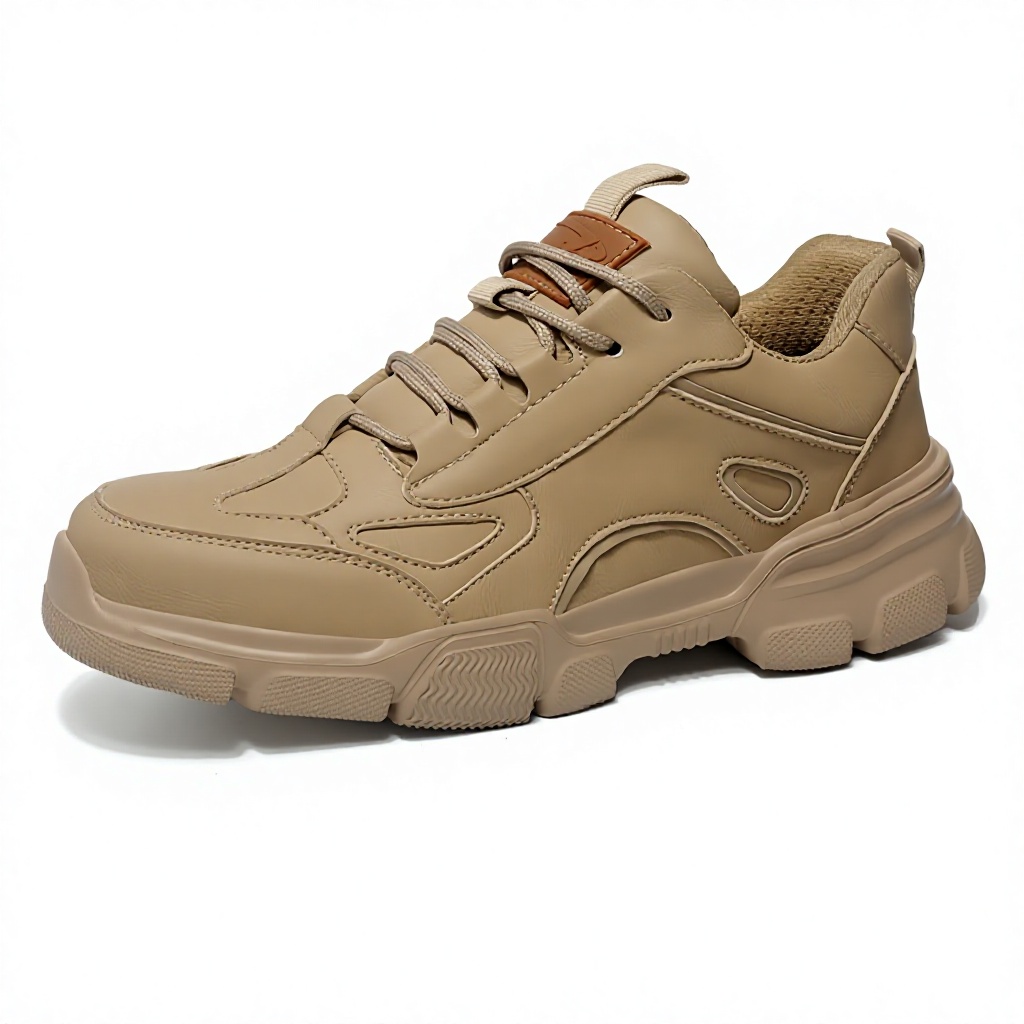
Men's Low Top Steel Toe Anti-Smashing & Anti-Puncture Work Shoes
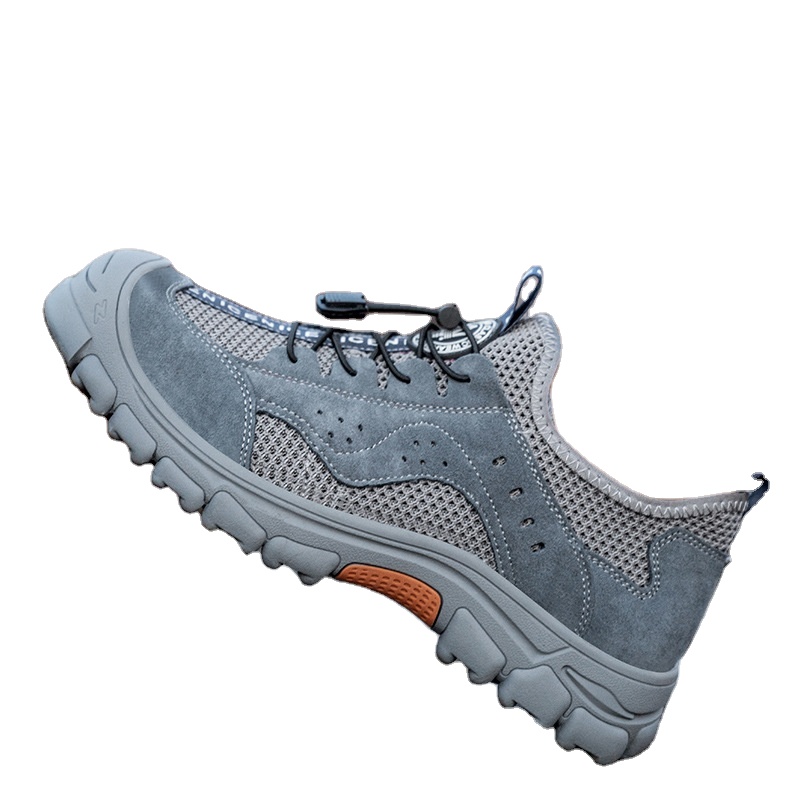
Breathable Lightweight Steel Head Work Shoes for Solar Farm Crews

High-Top Microfiber Leather Impact-Resistant Safety Shoes
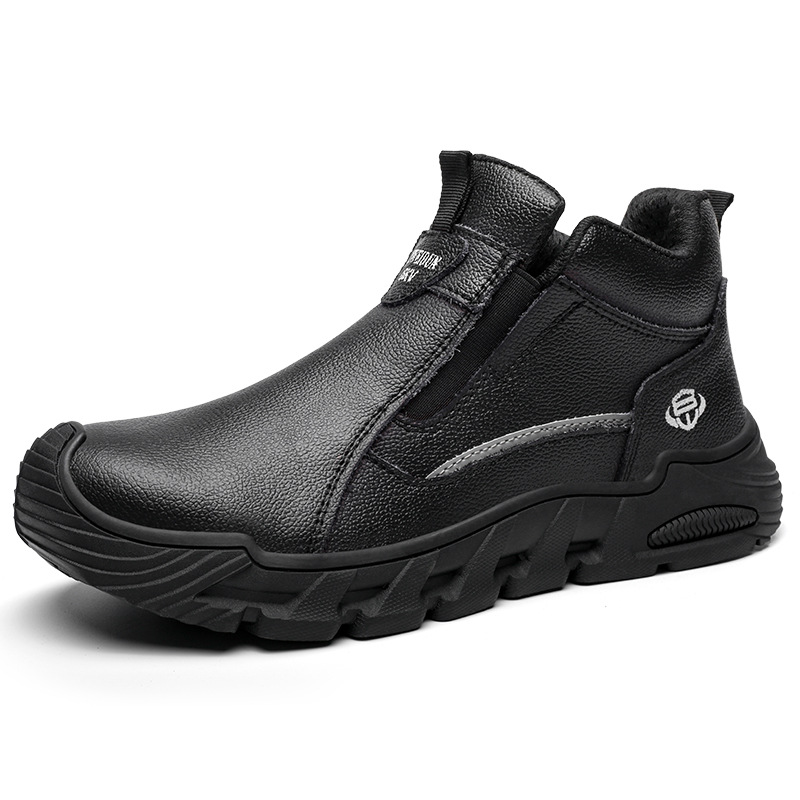
Electrician’s Waterproof Insulated Work Boots (Plastic Toe Cap)
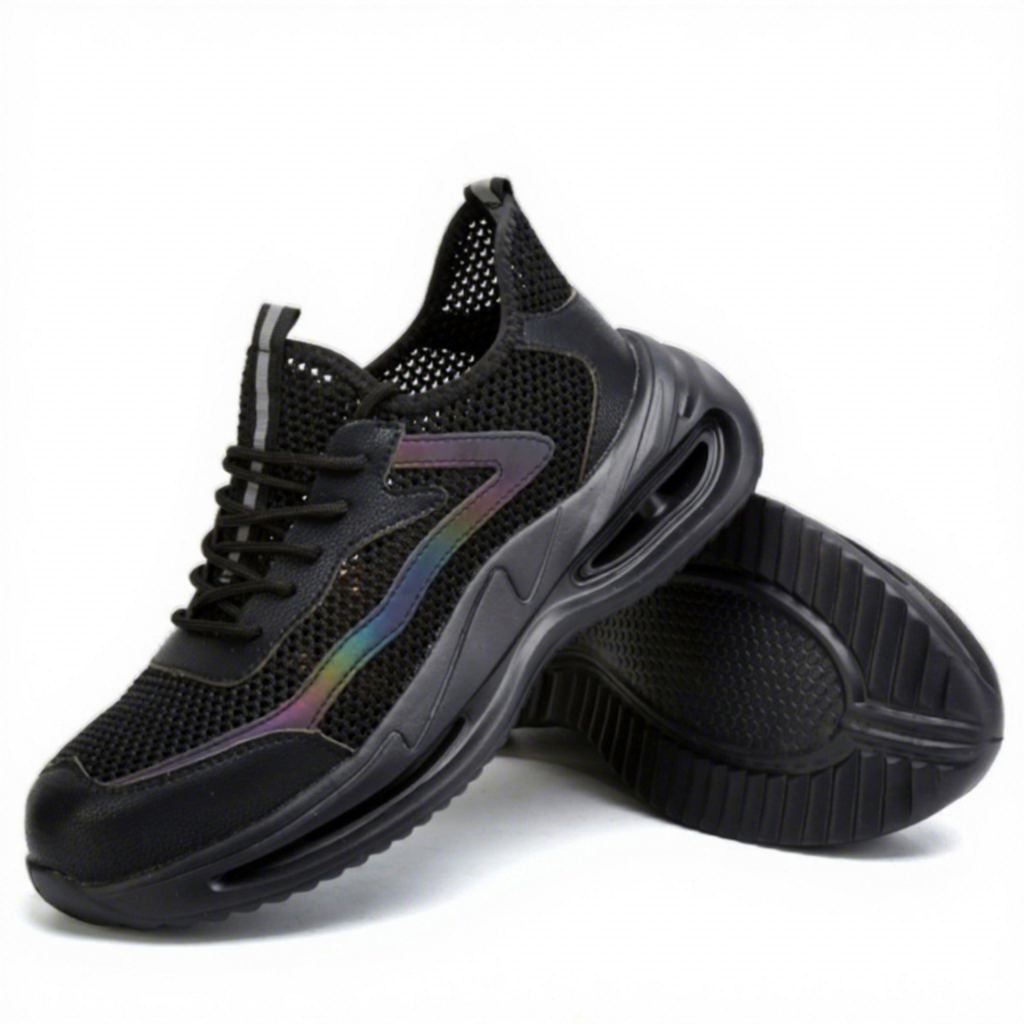
Low-Top Ultra-Lightweight Breathable Steel Cap Safety Shoes
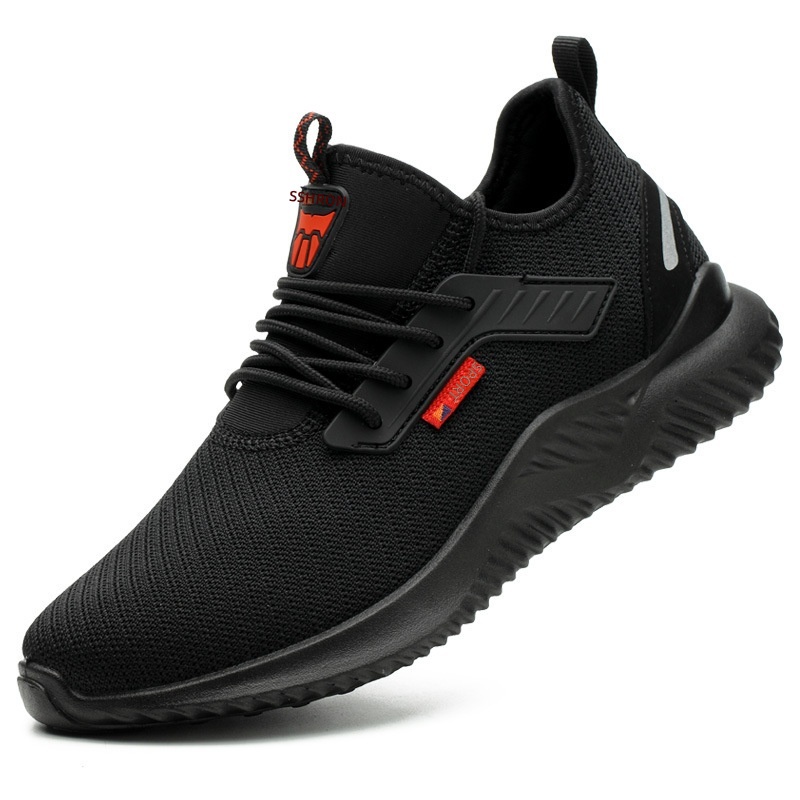
Certified Leather Steel Toe Labor Protection Work Shoes
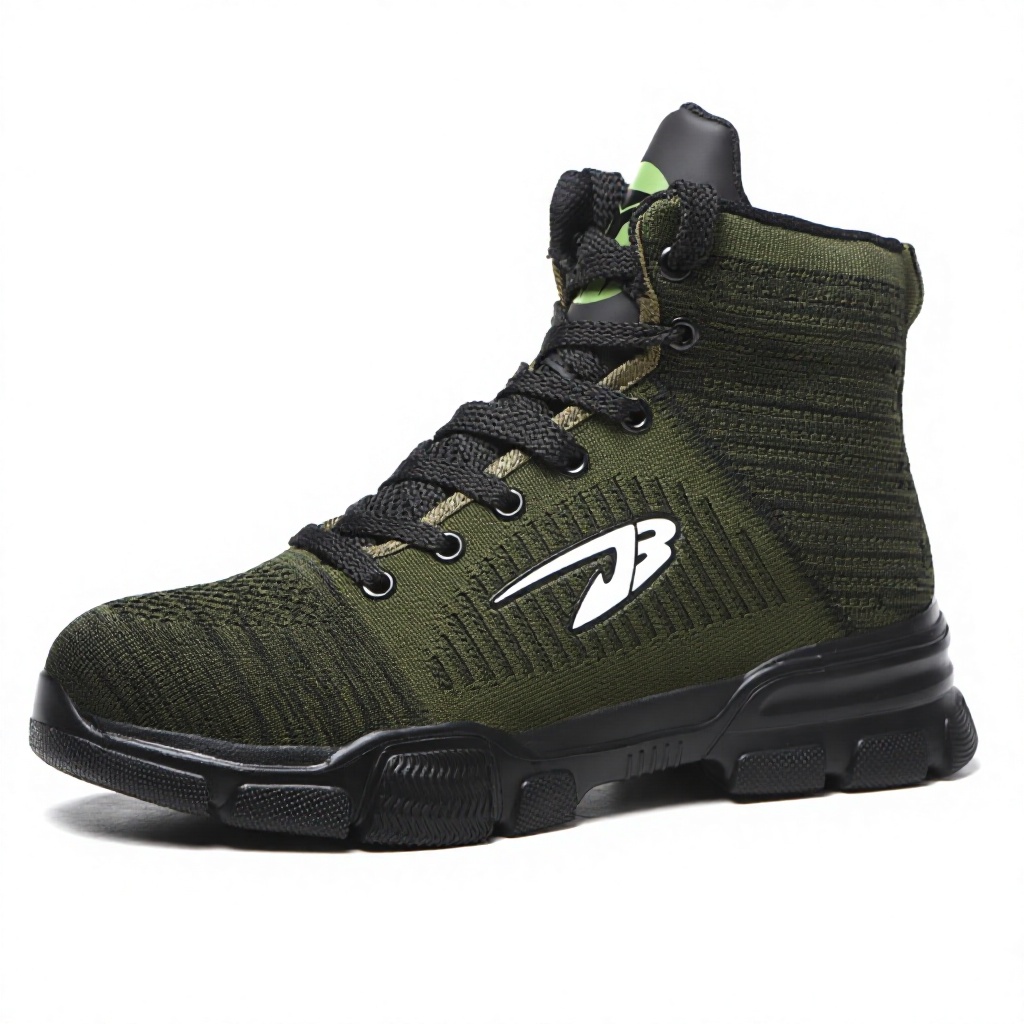
High-Top Steel Toe Cap Protective Shoes for Heavy Infrastructure
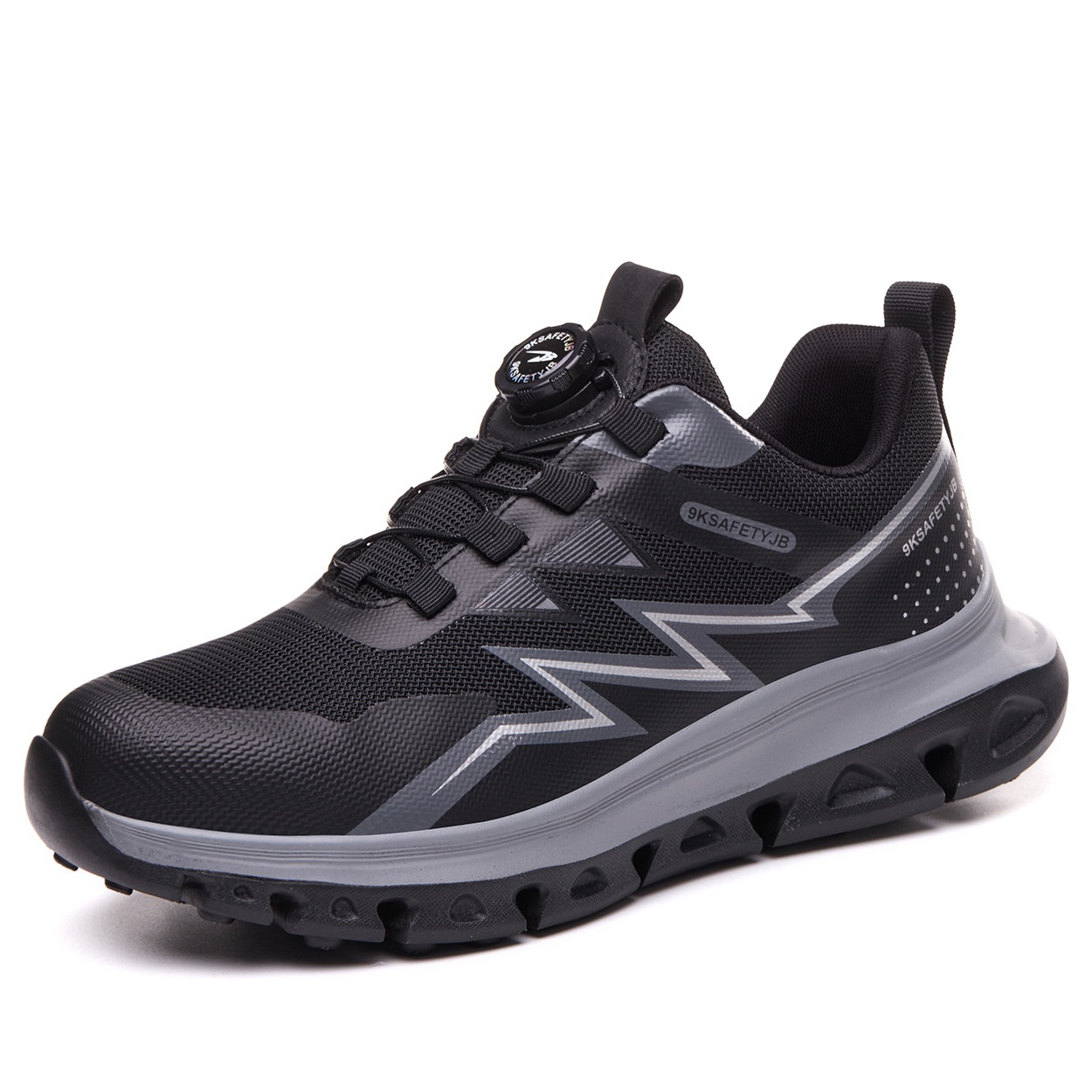
Puncture-Proof Flying Mesh Labor Safety Shoes with Rubber-Plastic Sole
Hybrid Solar Inverter Sourcing & Procurement FAQ
Direct answers from our senior engineering and export logistics departments to assist distributors, EPC contractors, and system integrators.
1. What is the fundamental difference between Low-Voltage (51.2V) and High-Voltage (HV) hybrid inverters? +
2. How do Virtuous hybrid inverters handle 100% unbalanced three-phase loads during blackouts? +
3. Which cooling mechanism is superior for commercial BESS: Forced Air or Liquid Cooling? +
4. Can Virtuous hybrid inverters be coupled with legacy diesel generators in off-grid microgrids? +
5. What compliance documentation is legally required to clear customs and secure utility interconnection? +
6. Does Virtuous support custom OEM/ODM branding, firmware, and protocol customization? +
7. How does the DC-to-AC oversizing ratio affect hybrid system economics? +
8. What are your standard international commercial trade terms and payment methods? +
9. What is the standard manufacturing lead time for containerized BESS and residential hybrid inverters? +
10. How does Virtuous handle long-term warranty claims, field diagnostics, and spare parts? +
Request a Custom Hybrid Solar Inverter Proposal
Connect directly with our senior power electronics team in Jiaxing, China. Whether you need a 10 kW split-phase residential inverter with stackable LiFePO4 batteries or a 5016 kWh containerized microgrid solution, we provide detailed single-line diagrams (SLD), sizing calculations, and commercial pro-forma invoices within 24 hours.
Faster Proposal Checklist:
To accelerate your sizing simulation, please prepare the following parameters:
- Grid Standard: Single-phase 220V/230V, Split-phase 120V/240V, or 3-Phase 380V/400V/480V.
- Peak Load & Daily kWh: Critical continuous loads and required outage autonomy hours.
- Solar Array Sizing: Total solar array kWp capacity and open-circuit voltage (Voc).
- Regional Compliance: Mandated local grid codes (UL, CE, VDE, IEC, or AS/NZS).
- Shipping Destination: Preferred Incoterm (FOB, CIF, or DDP) and target port of entry.