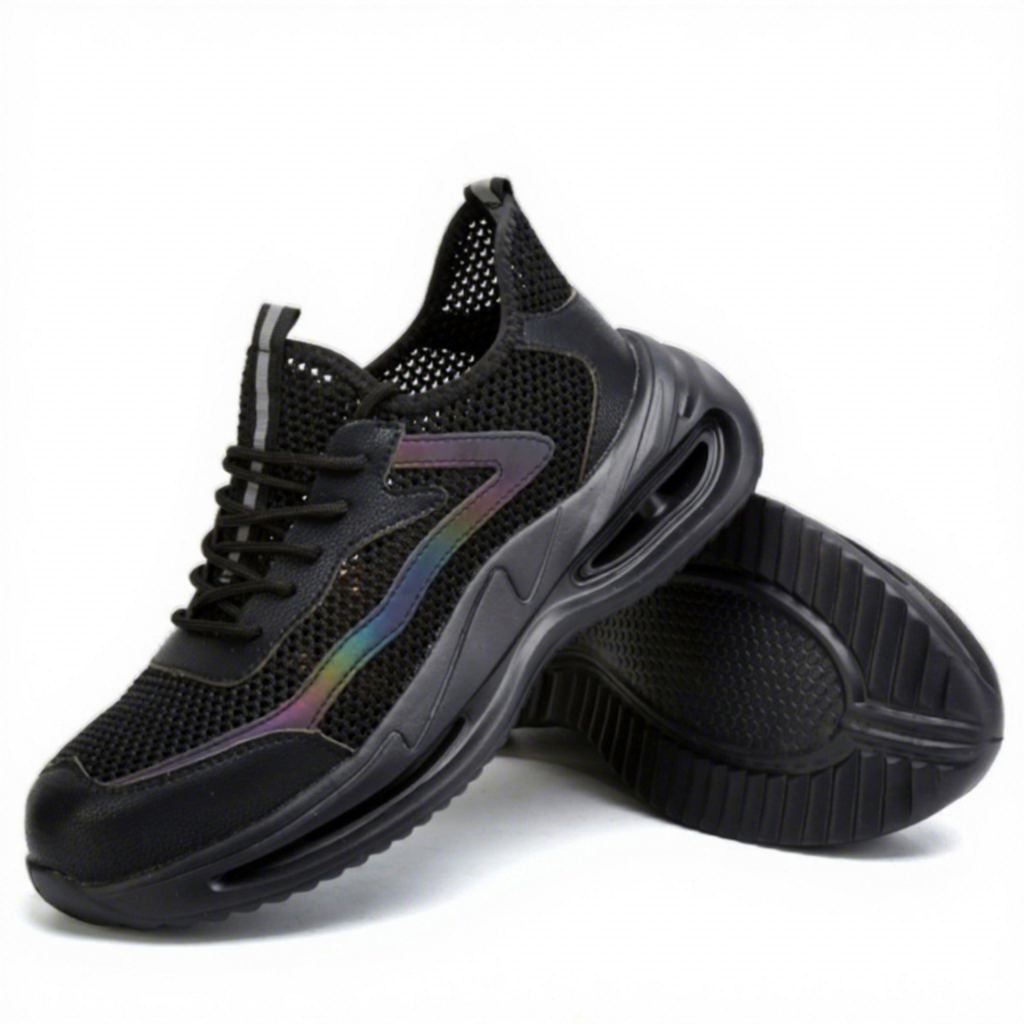
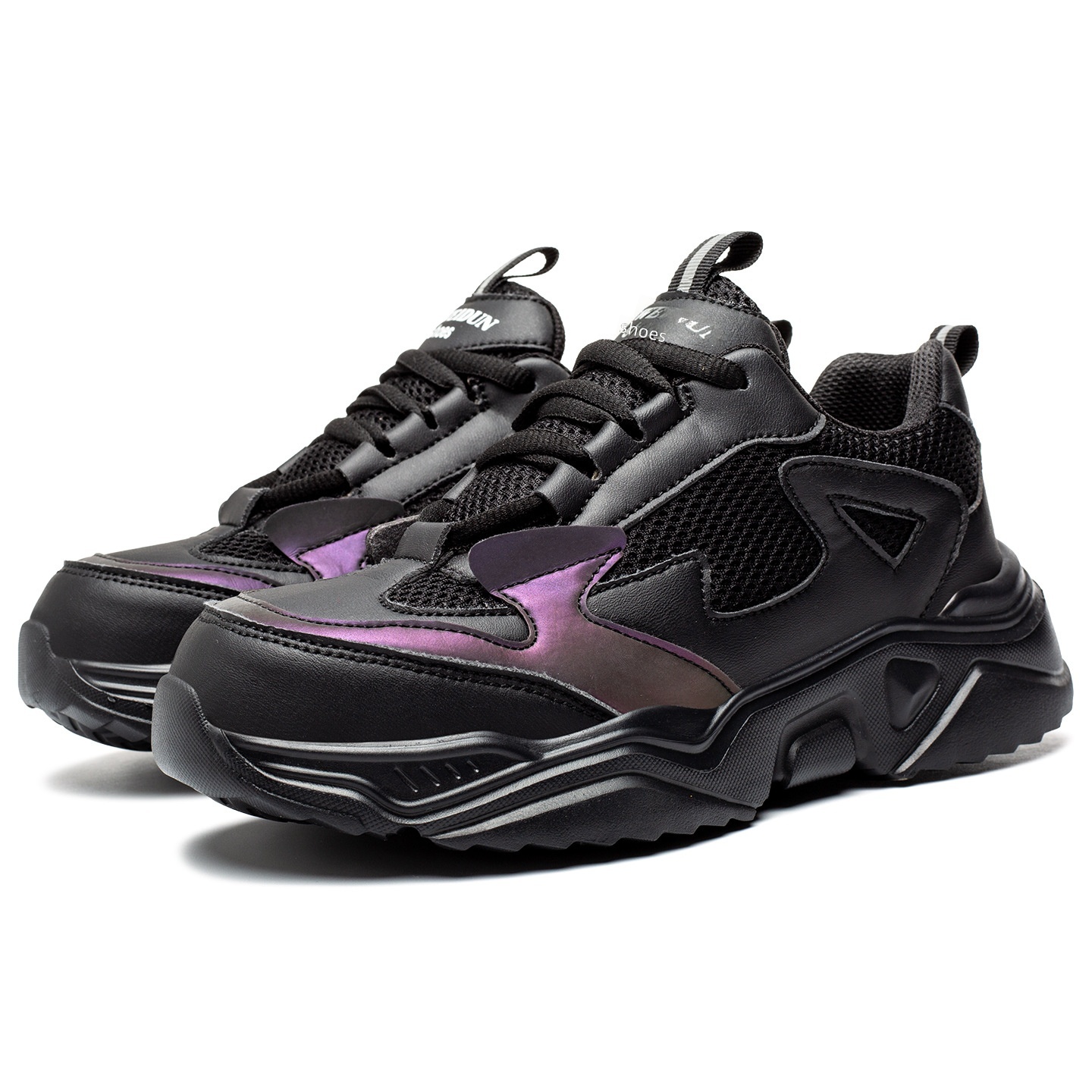
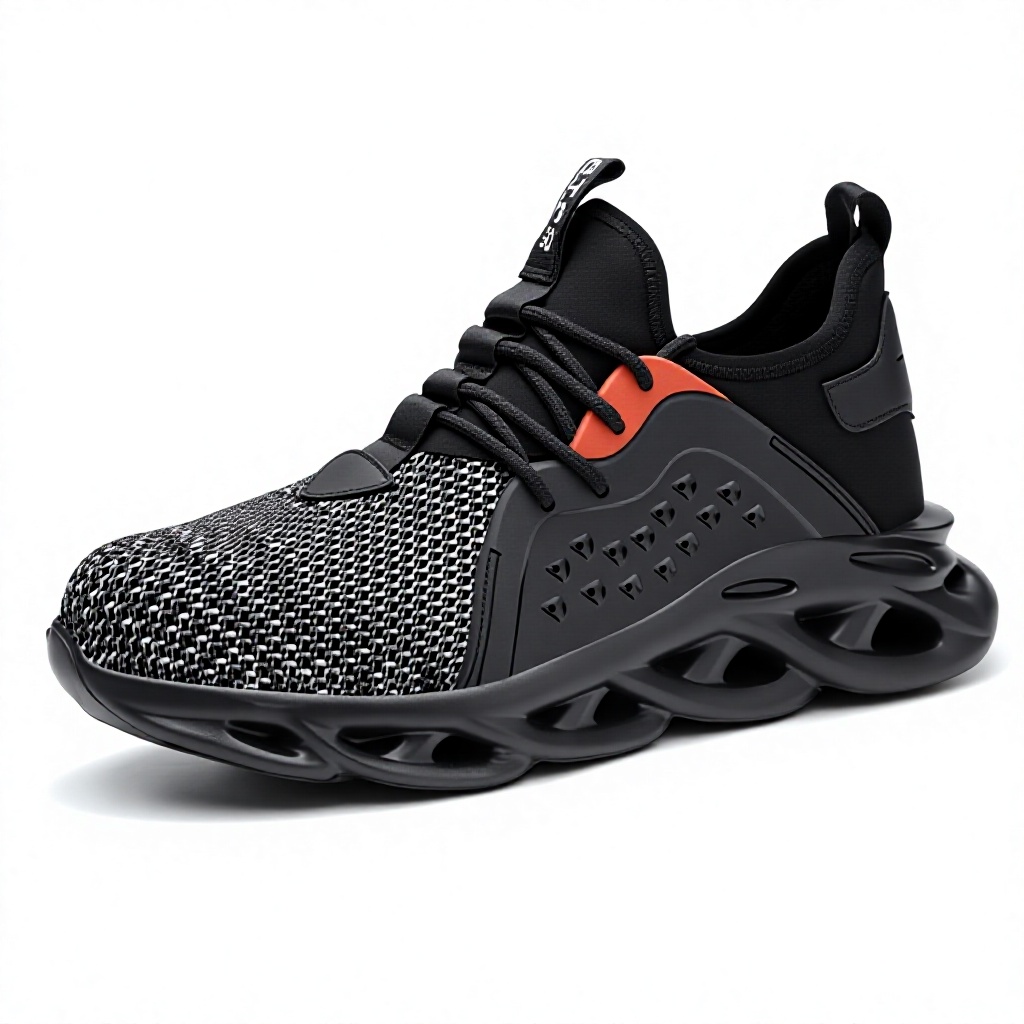
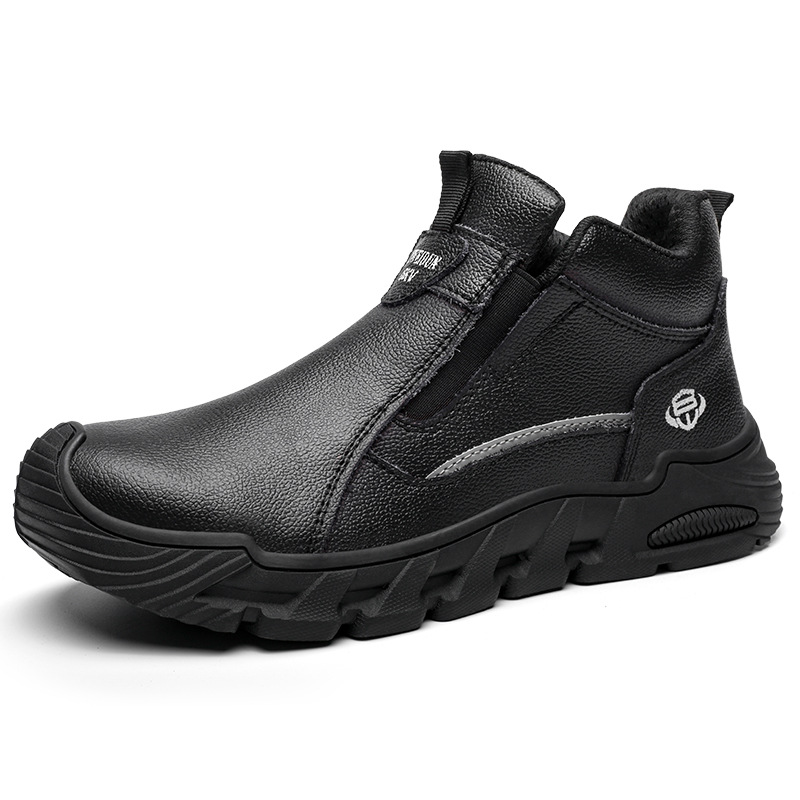
Technical White Paper & Sourcing Report
Engineering Thermal Equilibrium in Heavy Industrial Footwear: Metallurgy, Welding & Extreme Radiant Enclosures
In high-enthalpy work environments—such as aluminum smelters, blast furnaces, hot rolling mills, and automated welding lines—industrial footwear acts as the final physical boundary preventing catastrophic burns, thermal conduction injuries, and arc-flash burns. Engineering boots capable of withstanding extreme thermal vectors requires a holistic approach uniting advanced polymer chemistry, aerodynamic upper ergonomics, and layered structural isolation.
"According to industrial safety audits, over 67% of foundry foot injuries stem not from direct hot-metal contact on the sole, but from radiant thermal transmission through eyelets, stitch burn-through from molten dross, and rapid heat migration through poor conductive midsole substrates."
1. The Thermodynamics of Sole Formulations: Nitrile Rubber vs. Dual-Density Polyurethane
A primary criterion for international procurement managers is the thermodynamic behavior of the outsole compound under sustained versus peak heat. Standard polyurethane (PU) formulations degrade rapidly when exposed to temperatures exceeding 130°C, suffering hydrolysis, chain scission, and irreversible softening. Conversely, high-density vulcanized nitrile butadiene rubber (NBR) maintains dimensional integrity, shear strength, and anti-slip traction at temperatures up to 300°C for 60 seconds of direct hot contact (complying with EN ISO 20345 HRO).
To overcome the weight and fatigue issues historically associated with solid rubber footwear, our manufacturing methodology integrates dual-density Nitrile/PU or Nitrile/EVA combinations. In this co-molding process, an inner cellular PU matrix provides dynamic kinetic energy return and low thermal conductivity, while an exterior vulcanized nitrile skin acts as a protective shield against abrasive clinker, chemical acids, molten slag, and direct surface heat.
2. Upper Engineering: Hydrophobic Cowhide, Meta-Aramid Stitching & Quick-Release Fasteners
Radiant heat can quickly dry and embrittle standard leather, leading to surface cracking that permits hot splashes or embers to penetrate the shoe lining. For our heavy welding and smelting lines, we utilize vacuum-tanned, hydrophobic full-grain bovine leather with an oil-wax infusion that repels sparks and molten drop runoff.
Furthermore, standard nylon or polyester threads fail at temperatures as low as 180°C. Our heat-resistant welding footwear lines are assembled exclusively using genuine DuPont Kevlar® or Nomex® flame-retardant aramid stitching. Combined with ergonomic leather metatarsal guards (bellows tongue constructions) and emergency pull-tab or flame-proof quick-release buckles, workers can escape hazardous molten metal splash situations within three seconds.
3. Internal Thermal Insulation: The HI (Heat Insulation) Complex
Under EN ISO 20345:2022, compliance with the HI designation requires the temperature rise on the upper surface of the insole not to exceed 22°C when the entire boot sole is submerged in a sand bath at 150°C for 30 minutes. Achieving this level of insulation demands non-conductive internal architecture. We replace traditional carbon steel toe caps and steel puncture plates with:
- Fiberglass / Polycarbonate Composite Toe Caps: Zero thermal bridging, 40% lighter than structural steel, non-magnetic, and dimensionally stable after mechanical impact up to 200 Joules.
- High-Tenacity Woven Aramid (Kevlar) Midsole Plates: Provides continuous, edge-to-edge puncture resistance against sharp rebar and nails at 1100 Newtons, while introducing an additional layer of thermal boundary insulation under the foot.
- Aerogel & Activated Carbon Thermal Bed Insoles: Nano-porous aerogel insoles block conductive thermal transfer from blazing foundry surfaces while maintaining moisture absorption and anatomical foot arch support.