EN ISO S1P SRC
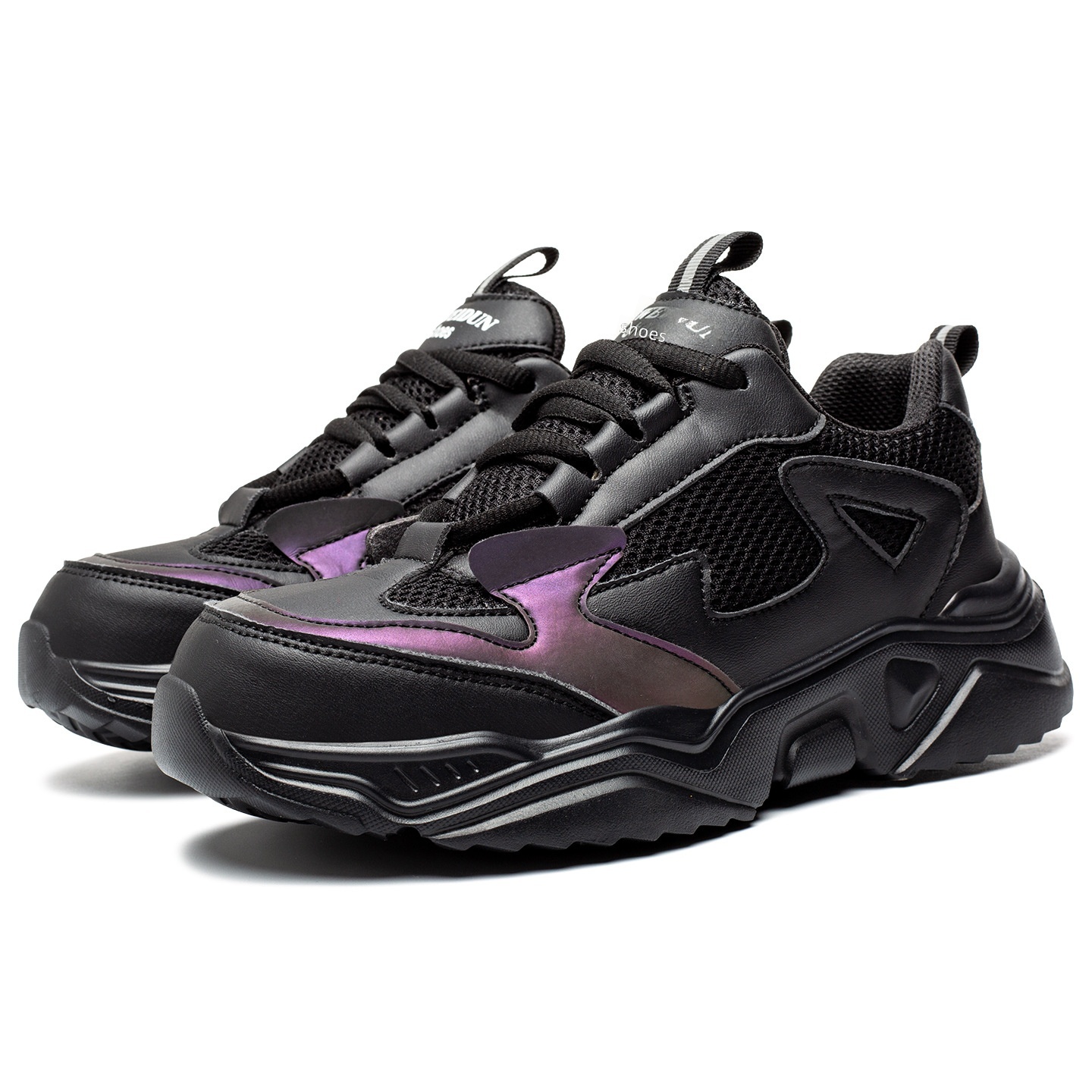
Microfiber Mesh
200J Impact
1100N Puncture
Engineered for extreme subterranean conditions, mineral extraction workshops, structural metallurgy, and heavy civil construction. Featuring widened steel and composite toe caps, ballistic Kevlar penetration barriers, and oil/acid-resistant dual-density sole assemblies.
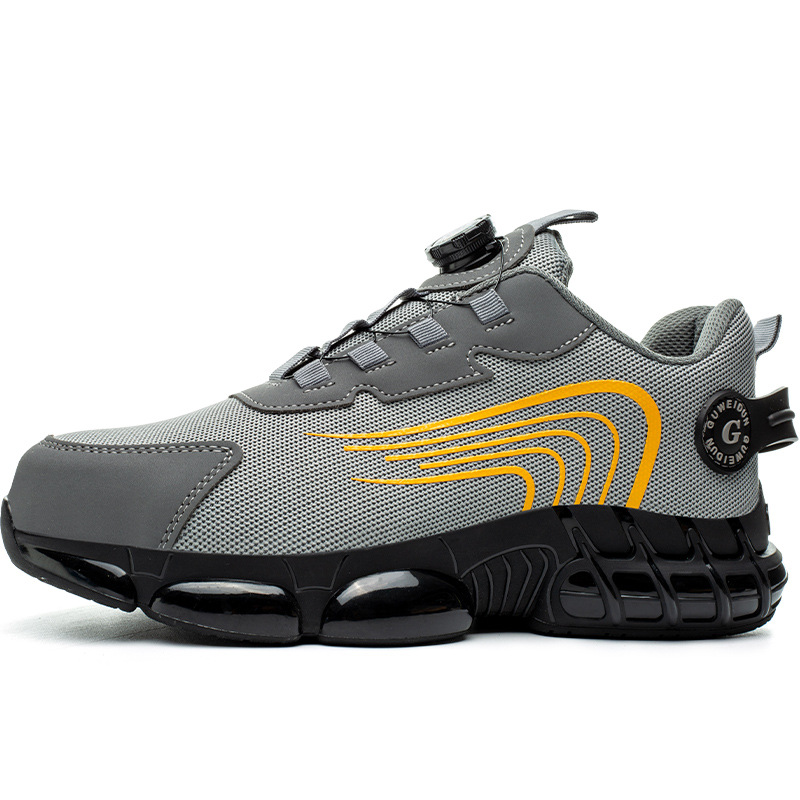
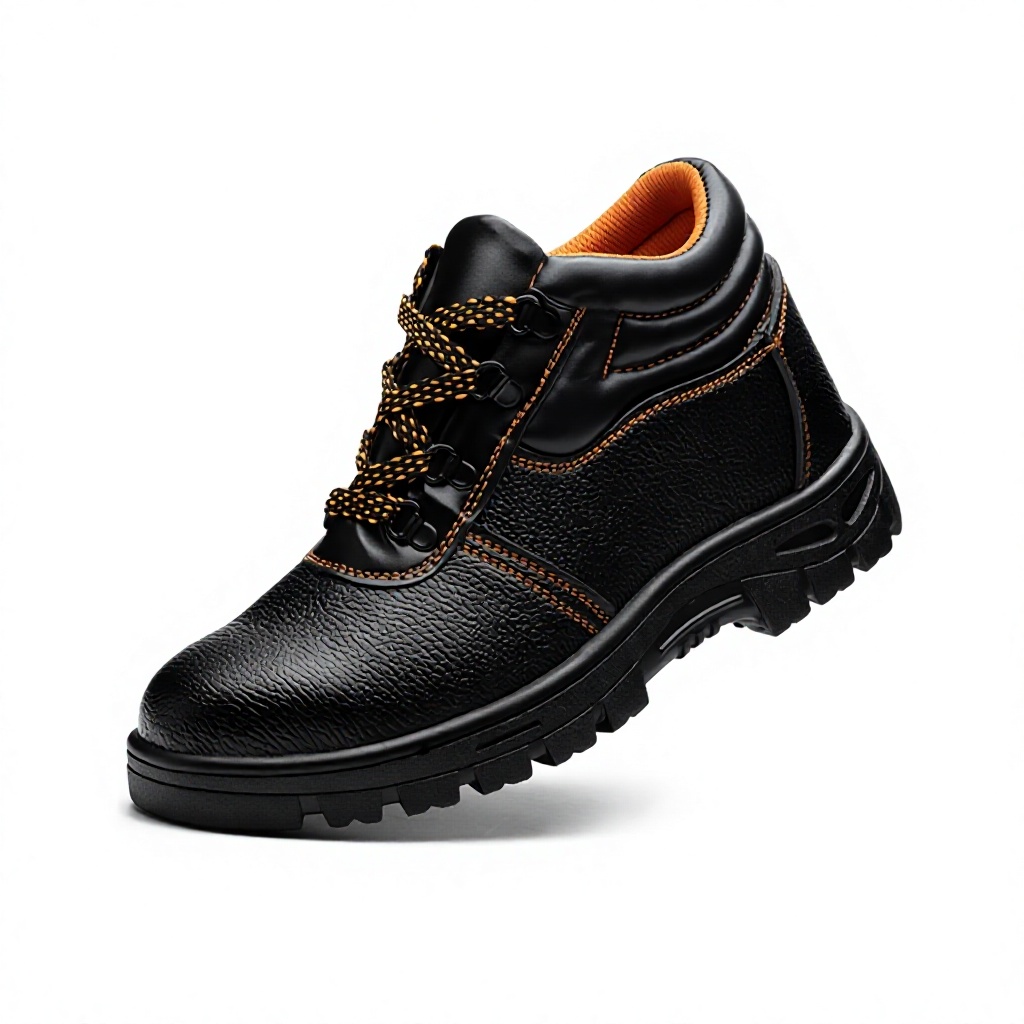
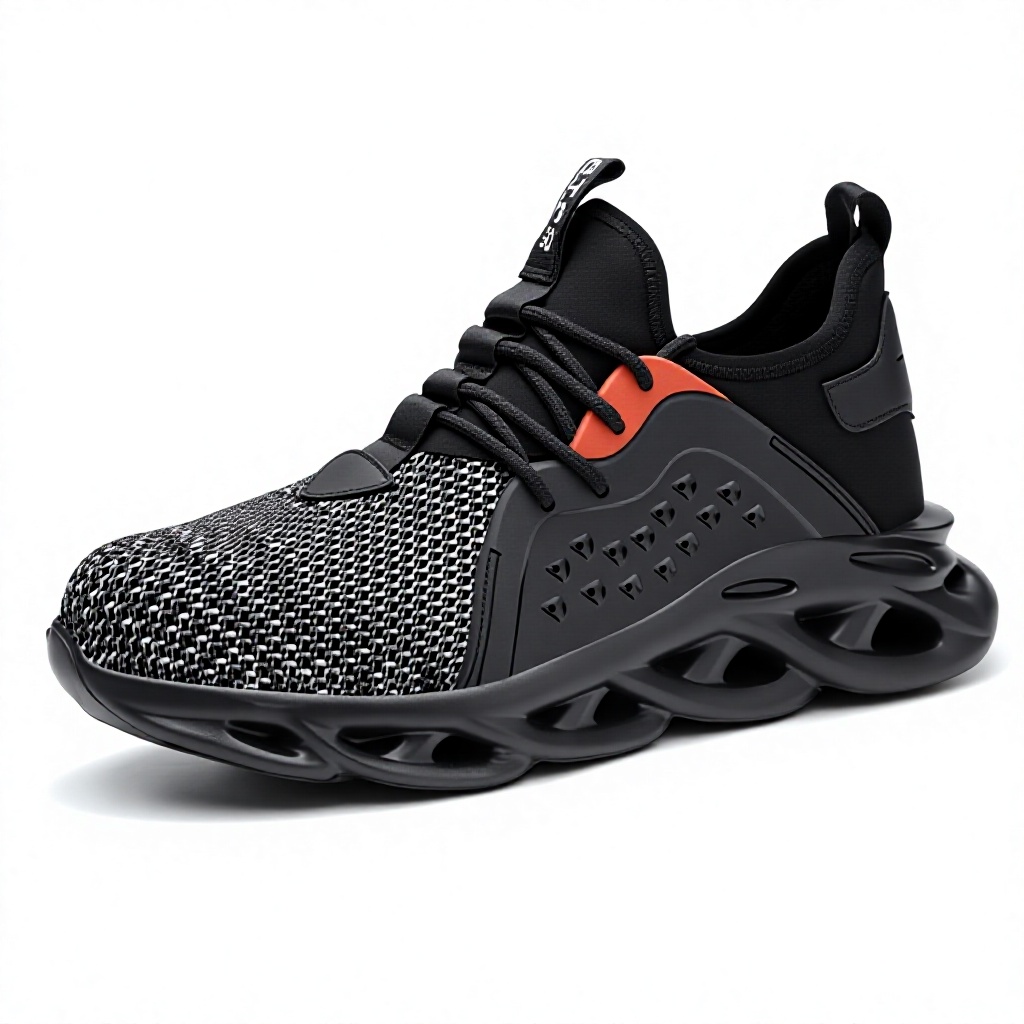
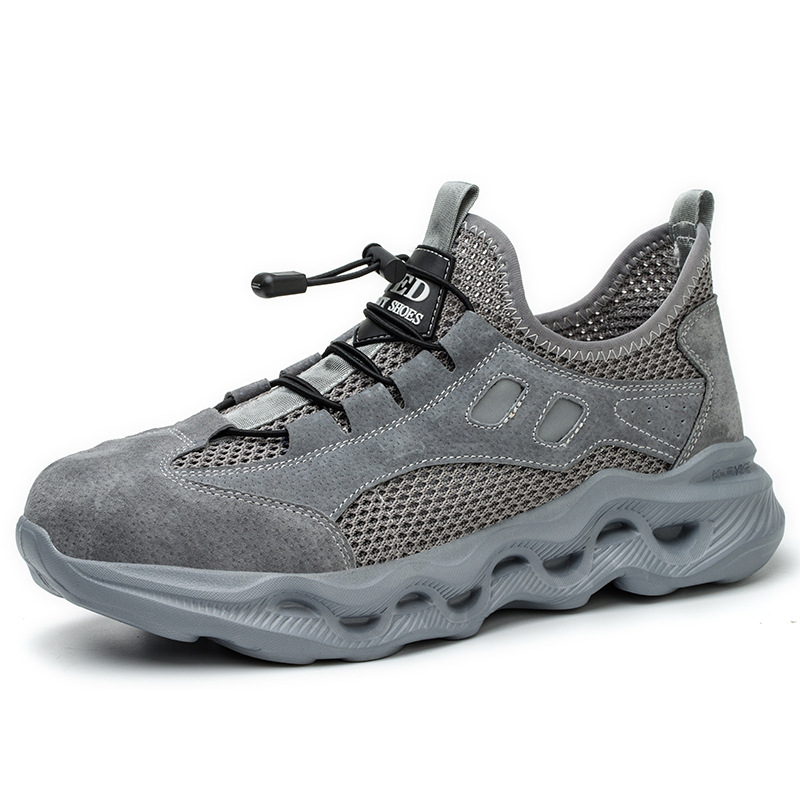
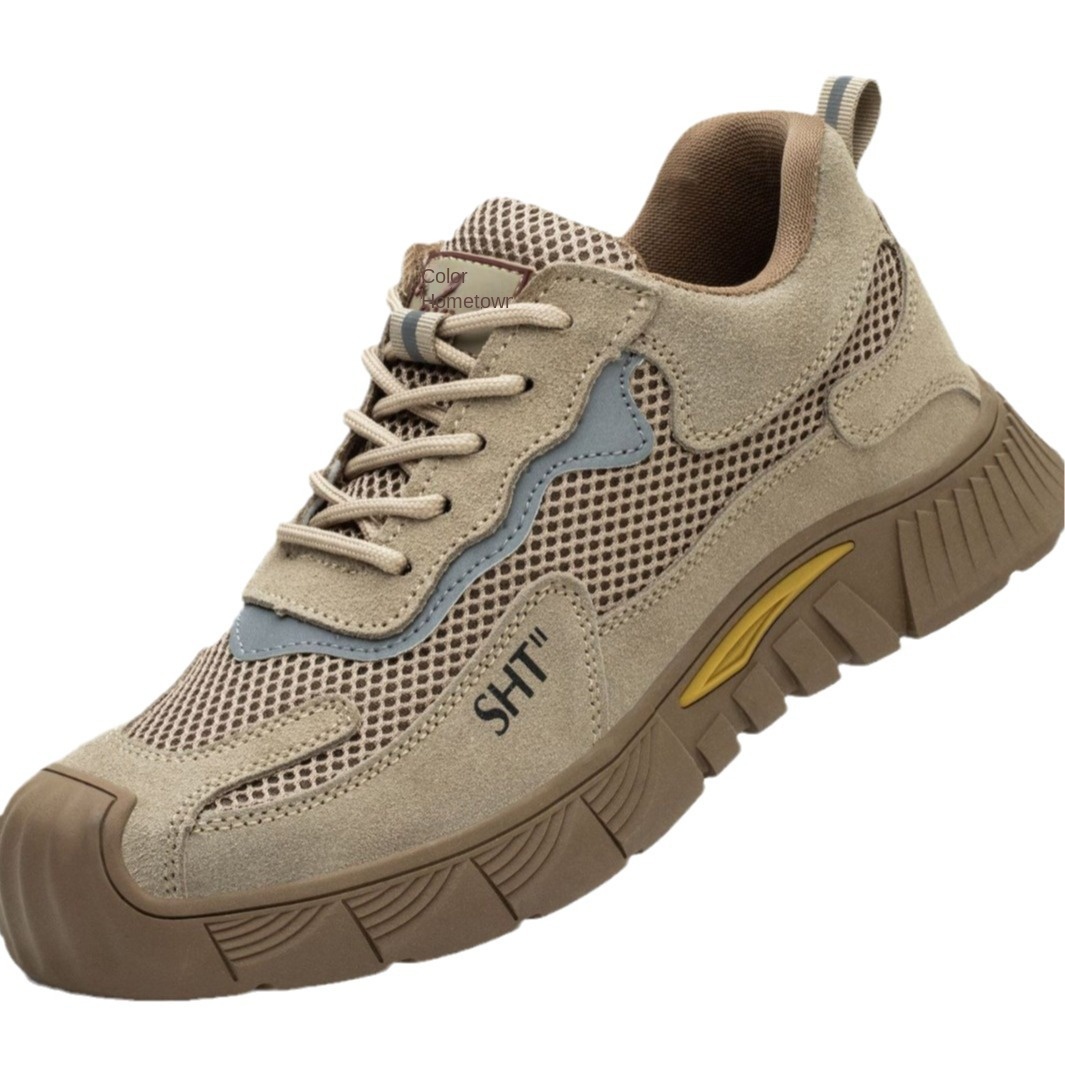
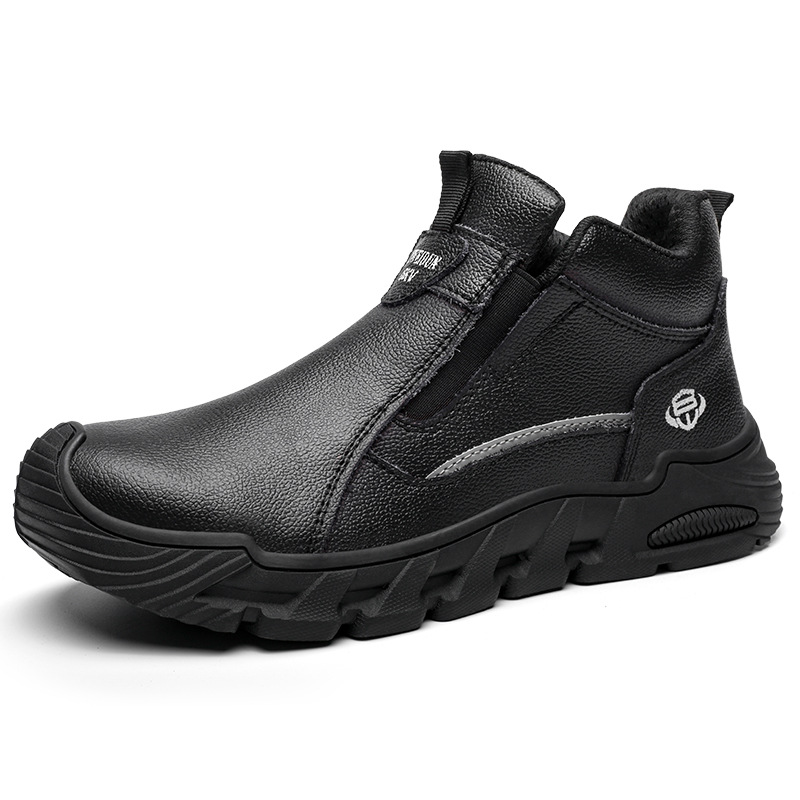
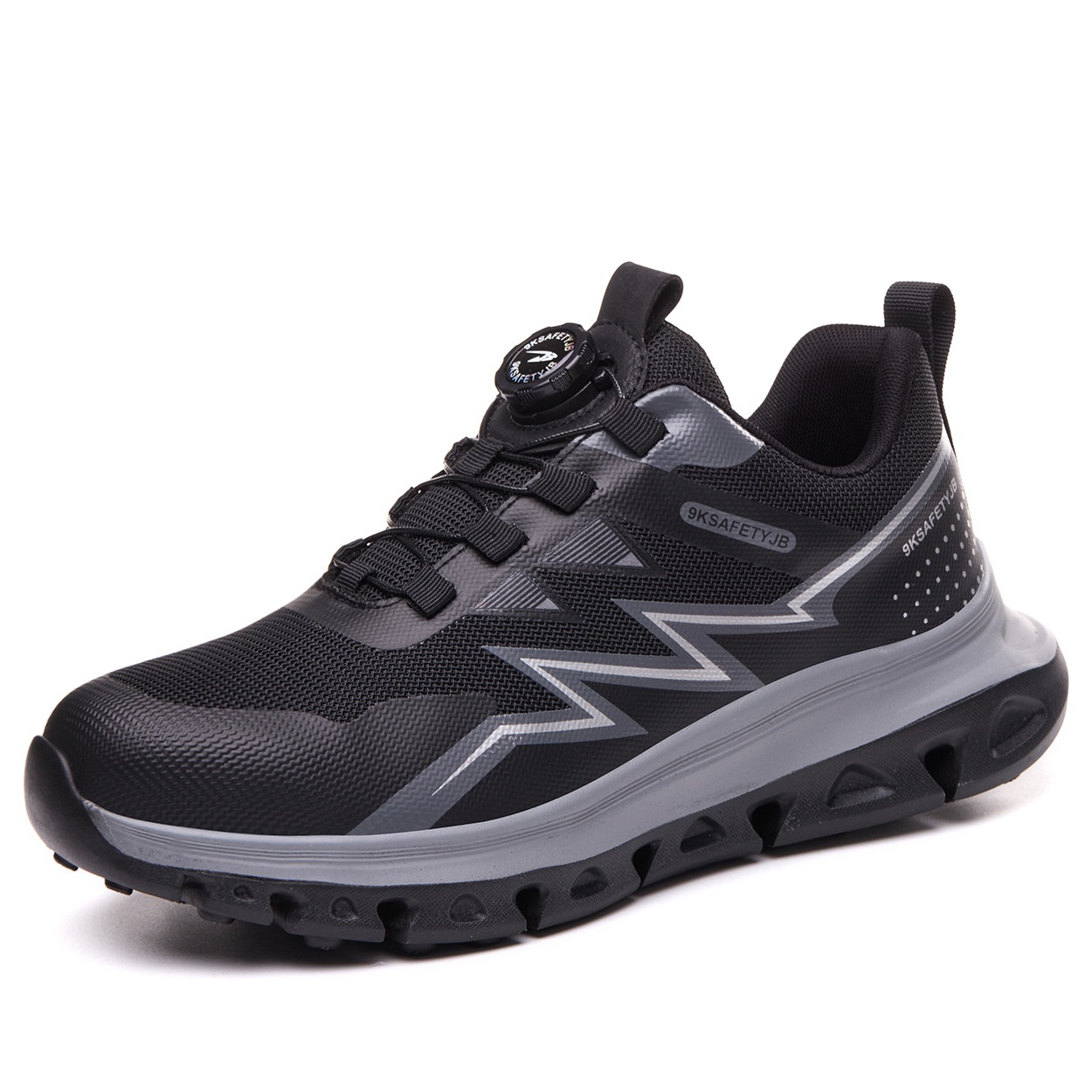
A rigorous examination of multi-layered kinetic deflection, plantar puncture mitigation, and thermodynamic foot regulation inside subterranean stopes, open cast strip mines, and ore beneficiation facilities.
Underground mining operations feature high frequencies of rockbursts, rolling rock fragmentations, and heavy hydraulic tooling collisions. Traditional safety footwear fails when toe caps deform permanently, causing secondary amputation injuries.
Crushed basalt, discarded mining roof bolts, rusty rail spikes, and sharp mineral fragments present severe puncture risks. Footwear penetration causes profound occupational microbial infections and soft tissue trauma.
Mining environments combine mineral slurry, synthetic motor oils, acidic drainage water, and scorching asphalt or smelting slag. Soling assemblies must prevent slips while maintaining molecular integrity.
| Component Dimension | High-Tensile Alloy Steel | Engineered Composite / Carbon | Ballistic Kevlar / Aramid | Vulcanized Nitrile Rubber |
|---|---|---|---|---|
| Primary Application | Impact Caps (Toe Box) | Dielectric & Non-Metal Caps | Puncture-Proof Midsoles | Outsole Tread & Scuff Caps |
| Kinetic Absorption / Rating | >200J Impact / >15kN Comp. | >200J Impact / Low Weight | >1100N Zero-Perforation | HRO 300°C Contact Resistance |
| Electrical Insulation | Conductive (Requires Barrier) | 100% Dielectric (EH 18kV) | Non-Conductive | Antistatic / ESD / High Res. |
| Thermal Conductivity | High (Transfers Cold/Heat) | Near Zero (Thermal Barrier) | Low Insulation Index | Flame & Radiant Heat Barrier |
| Weight Ratio | Standard High Mass | 35% Lighter than Steel | 40% Lighter than Steel Plates | High Density Durability |
Global supply chain managers, ESG directors, and commercial safety directors must navigate transitioning standards, decarbonized materials, and sensor-augmented safety systems.
International procurement frameworks are rapidly phasing out the 2011 legacy standard in favor of EN ISO 20345:2022. This brings critical shifts in nail penetration testing methodologies:
Mining conglomerates face intense investor scrutiny regarding Scope 3 carbon emissions and sustainable sourcing credentials across protective workwear contracts:
As mines automate haulage and transition to autonomous drilling fleets, boots are evolving into active IoT worker safety nodes:
Combining vertically integrated production lines, rigorous QA laboratory verification, and turn-key global logistics management to minimize procurement lead times and ensure zero-defect delivery.
Every raw material batch undergoes destructive tensile testing, toe drop impact verification (200J EN 12568), flex cracking analysis (150,000 cycles Ross Flex), and puncture resistance tests before mass soling injection.
Supporting comprehensive Incoterms including FOB, CFR, CIF, EXW, FCA, CPT, DDP, and DDU. We manage hazardous cargo customs clearance, palletized ocean containerization, and express courier sampling directly to your facility.
From personalized company embossed logos, specialized polyurethane injection molds, custom wide-fit lasts (EE/EEE width), to high-visibility reflective elements and customized packaging designed for multinational distributors.
Facilitating seamless international transactions with payments accepted via T/T, L/C at sight, Western Union, and commercial escrow across major global reserve currencies: USD, EUR, GBP, AUD, CAD, HKD, and CNY.
Authoritative technical guidance compiled by our footwear engineering and quality assurance departments to resolve critical compliance, material selection, and logistics questions.
Steel toe caps offer maximum impact resistance with a thinner wall profile, allowing for sleeker boot styling at lower cost. However, composite toe caps (carbon fiber, fiberglass, or polymer) provide significant advantages in mining: they are approximately 35% lighter, non-conductive for electrical safety (EH compliance), and will not trigger magnetic security sensors. Furthermore, composite materials act as thermal insulators, preventing foot freezing in deep or high-latitude winter open-pit mining.
Traditional stainless steel midsoles provide rigid penetration resistance against straight nail punctures but only cover approximately 85% of the foot area, leaving the outer edges vulnerable. Ballistic aramid (Kevlar) midsoles are stitched directly into the insole construction, providing 100% surface coverage. They also flex naturally with the worker's foot, weigh significantly less, conduct zero electricity, and eliminate thermal transfer from scorching or freezing ground surfaces.
For chemical and moisture exposure, Direct Polyurethane/Rubber Injection is superior because it forms a molecular bond between the upper leather and sole without thread channels or water-soluble adhesives that degrade in acidic mine slurry. Goodyear Welted construction remains preferred for extreme mechanical rock-abrasion conditions where maximum torsional stiffness and the ability to resole the boot are critical corporate requirements.
Importers must demand authentic third-party testing reports and valid CE Certificates of Conformity from notified bodies (such as SATRA, TÜV Rheinland, INTERTEK, or SGS) stating explicit compliance with EN ISO 20345:2022 or ASTM F2413-18. Additionally, request factory ISO 9001 quality management certificates, batch inspection reports detailing tensile tear values of the leather, drop-tower impact results, and chemical compliance dossiers (REACH or Proposition 65).
Standard minimum order quantities for bespoke OEM production with custom private label branding, packaging, and specific leather grades start at 500 to 1,000 pairs per style across an assorted run of sizes. Sample development typically requires 7 to 14 business days. Mass production lead times generally range between 35 and 45 days following final pre-production sample sign-off and deposit confirmation.
We utilize standardized Mondopoint sizing lasts engineered specifically for European, American (ASTM Wide Fit), and Asian foot anatomies. Our digital leather cutting machines minimize pattern variance to within 0.1mm. During production, roving QA inspectors pull 5 pairs per 500-pair lot to verify bond adhesive peel strength (minimum 4.0 N/mm requirement) and verify impact deflection heights on calibrated laboratory drop rigs.
Request customized product samples, complete EN ISO 20345 test reports, factory audit documentation, and competitive volume tier quotations. Our export engineering team responds within 12 business hours.