Engineered Work & Safety Footwear Collection
Explore our certified portfolio of heavy-duty safety footwear designed for construction sites, logistics hubs, mining operations, and general industrial manufacturing.
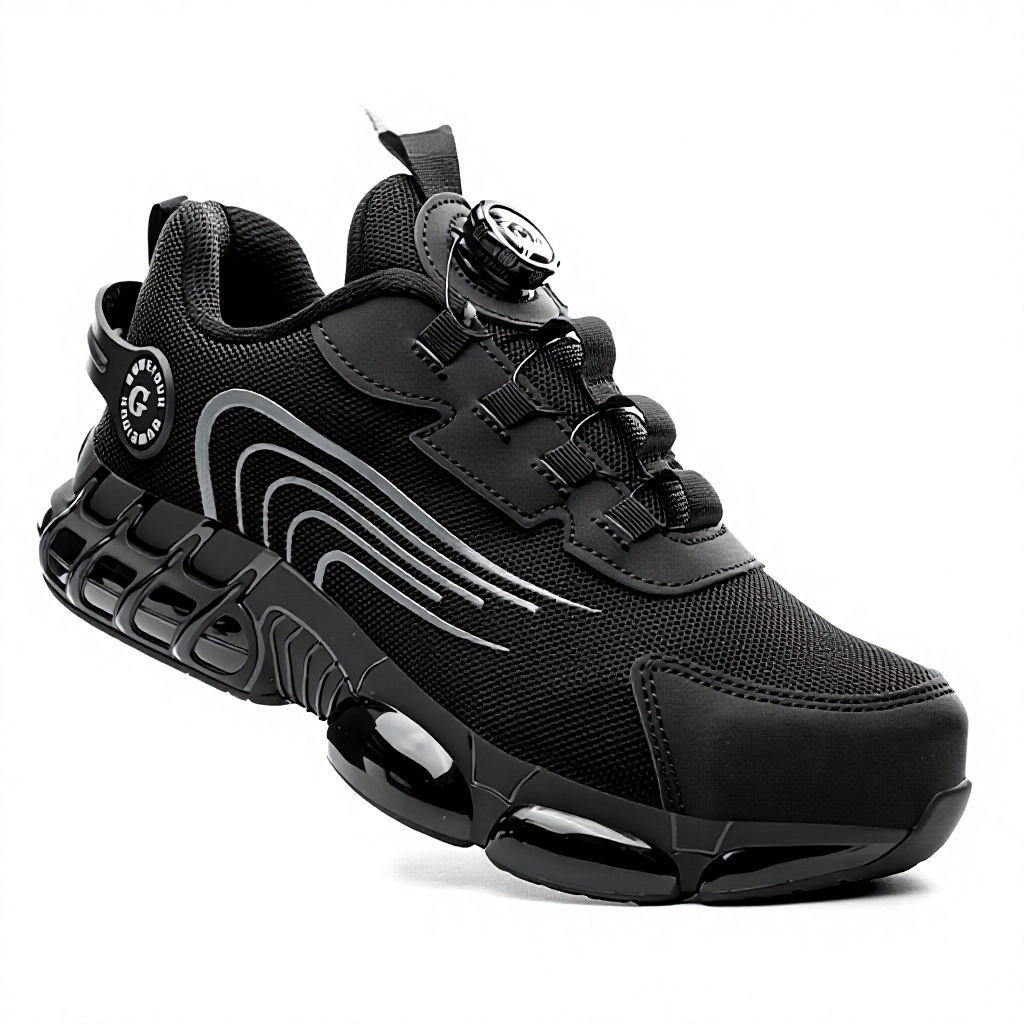
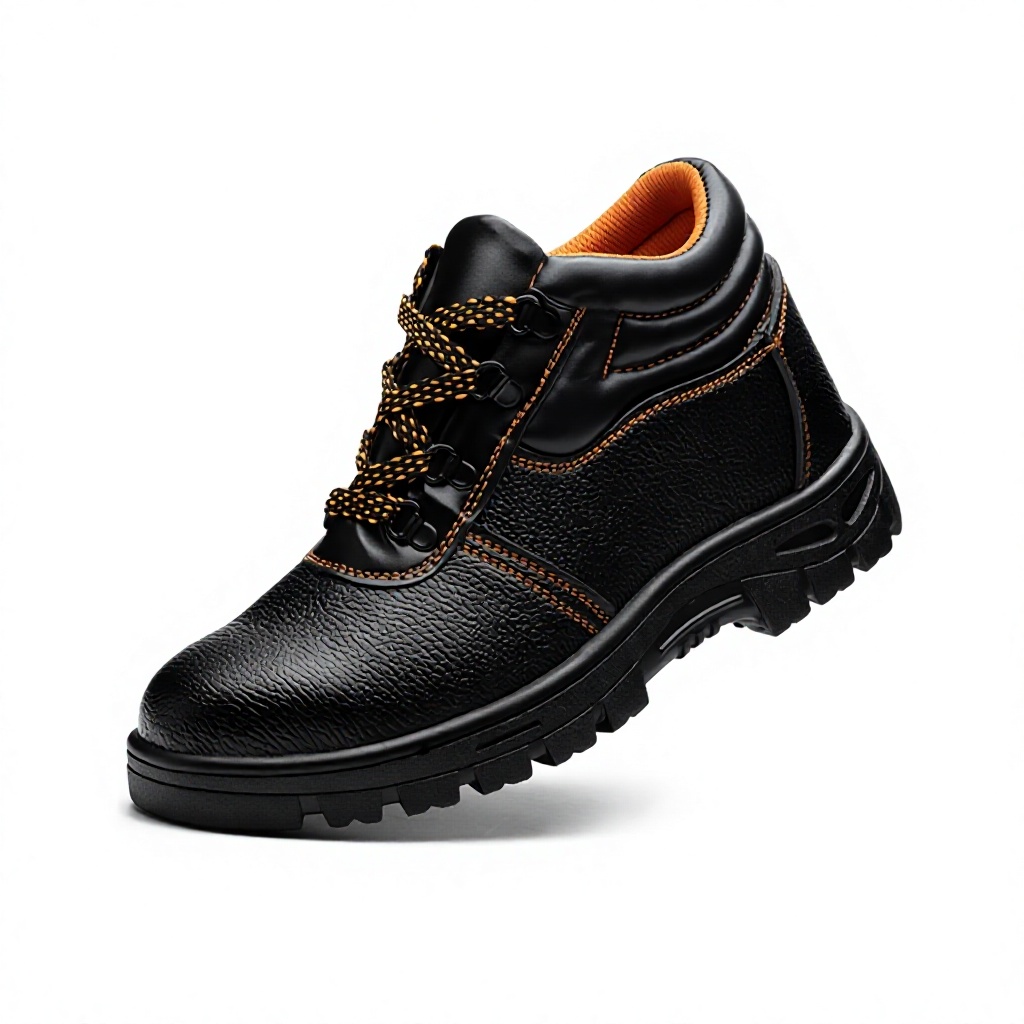
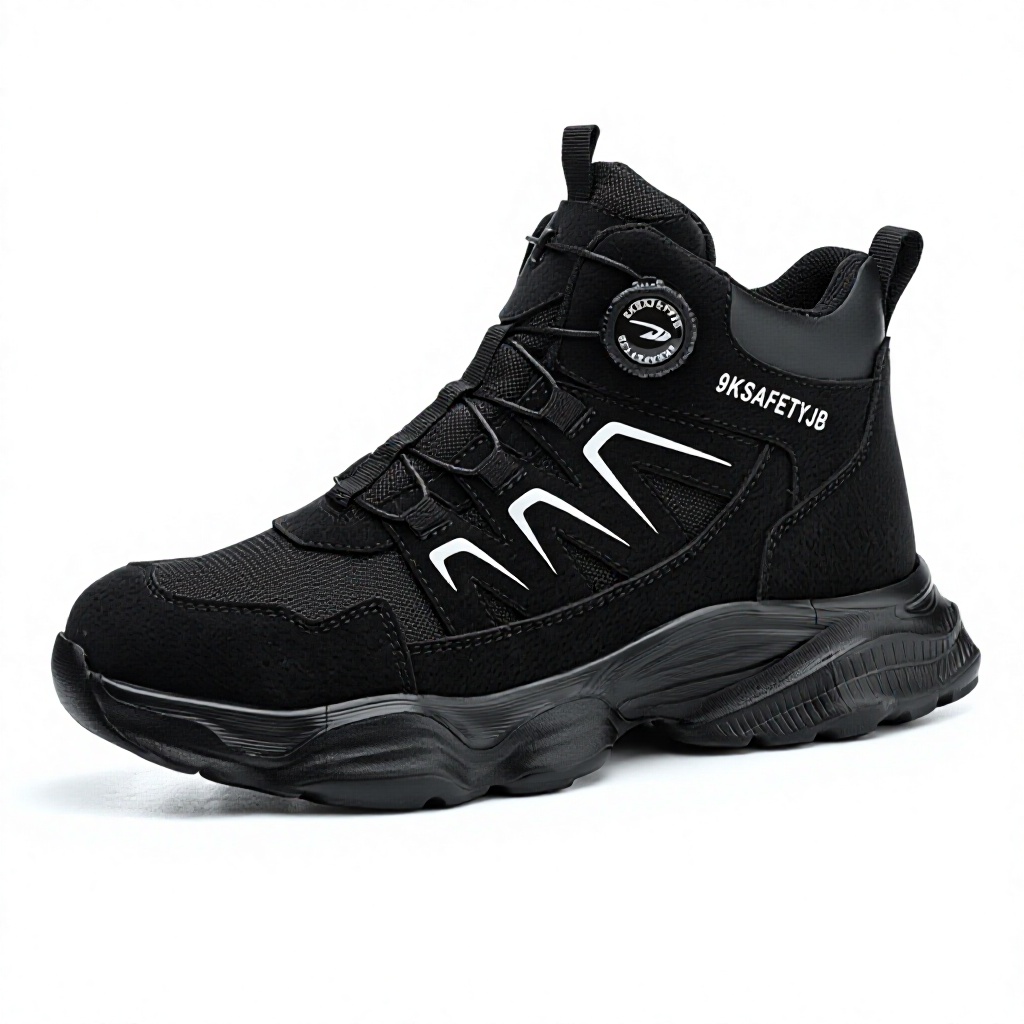
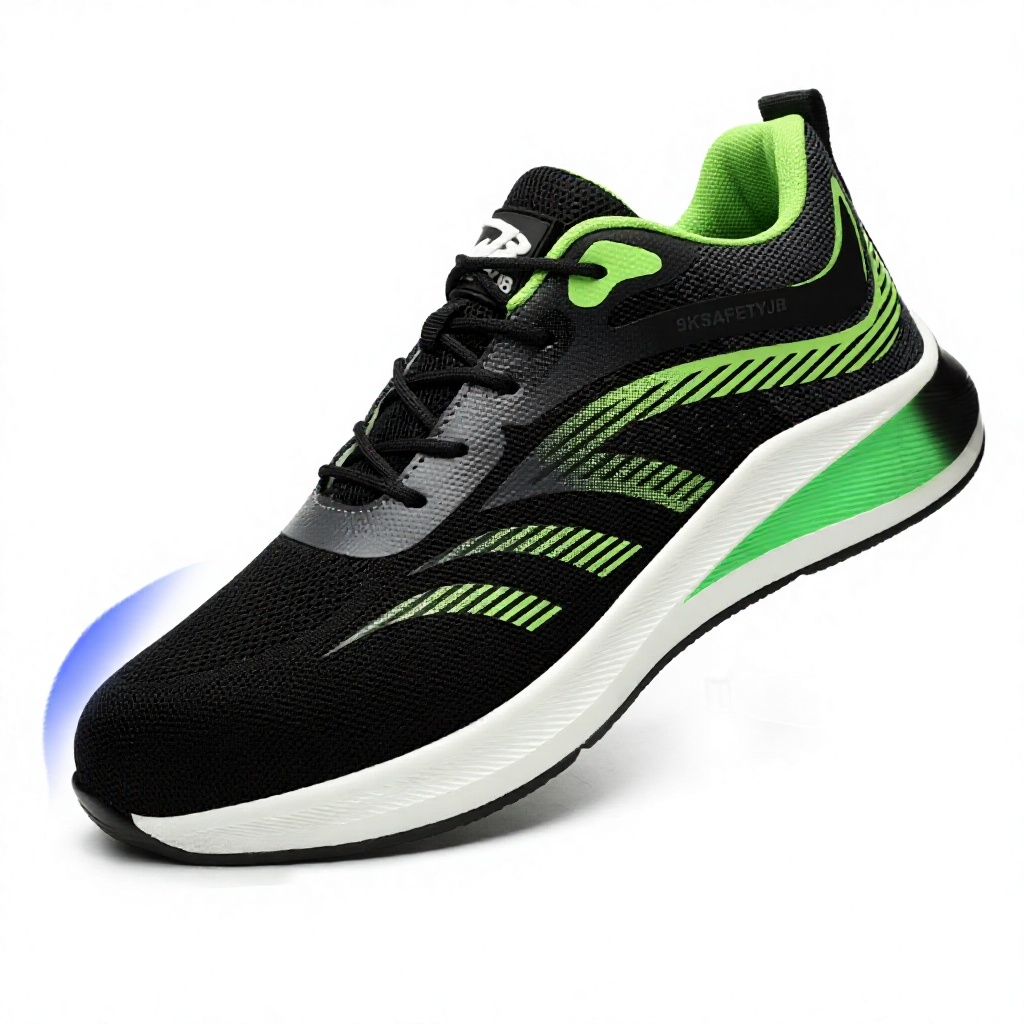
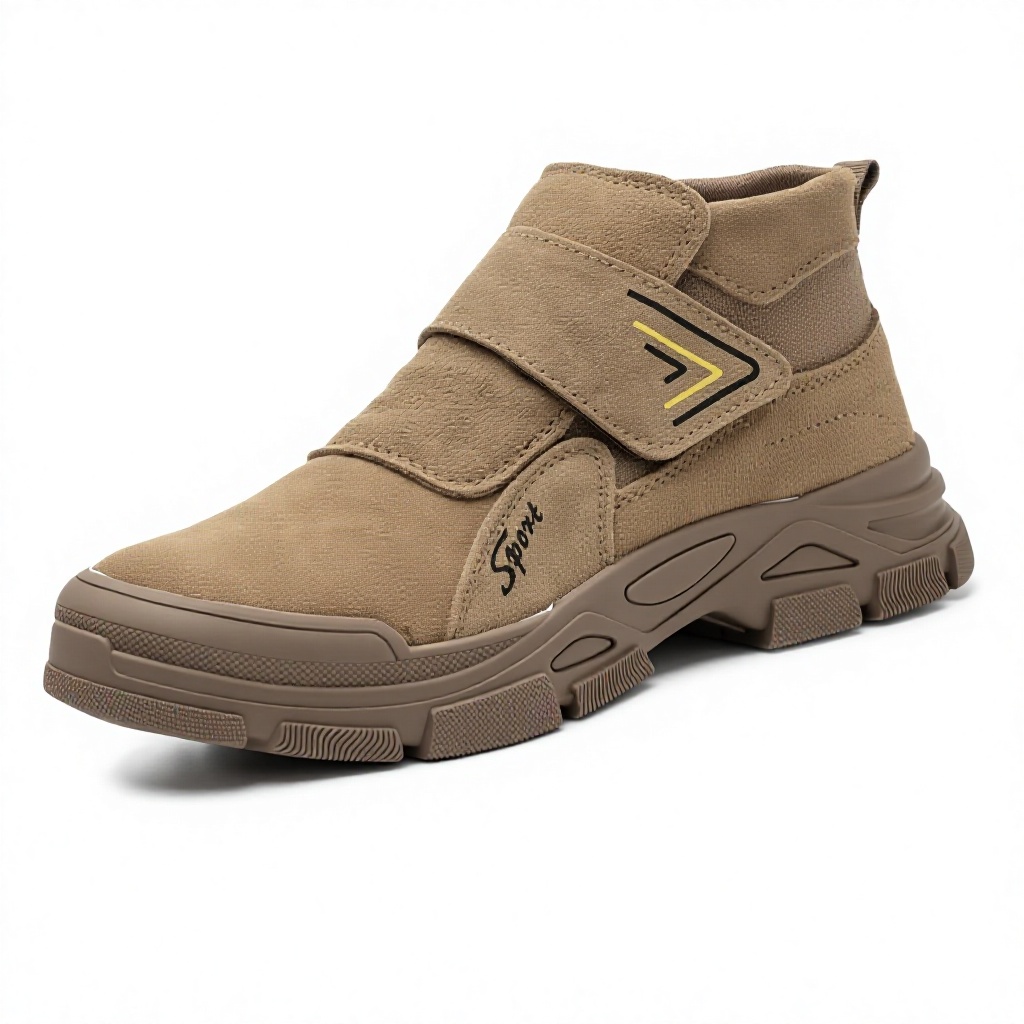
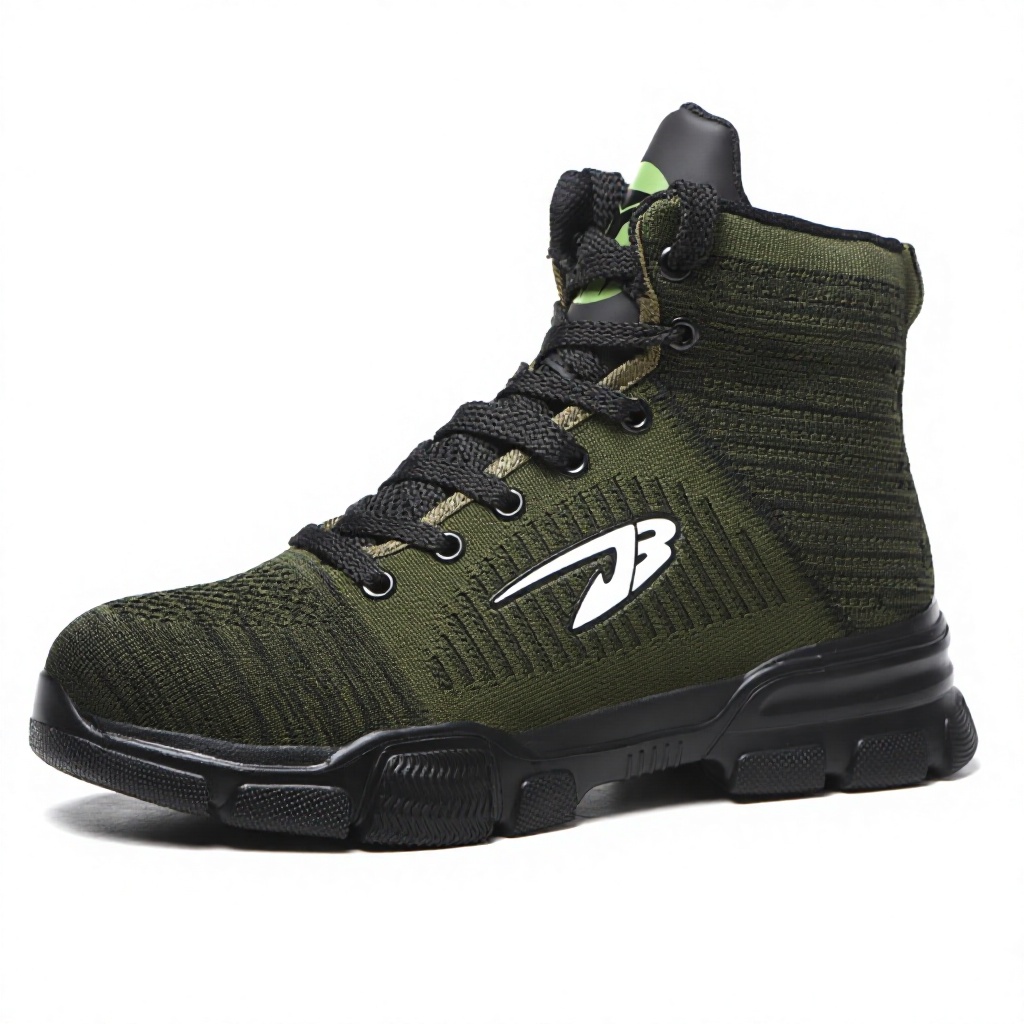
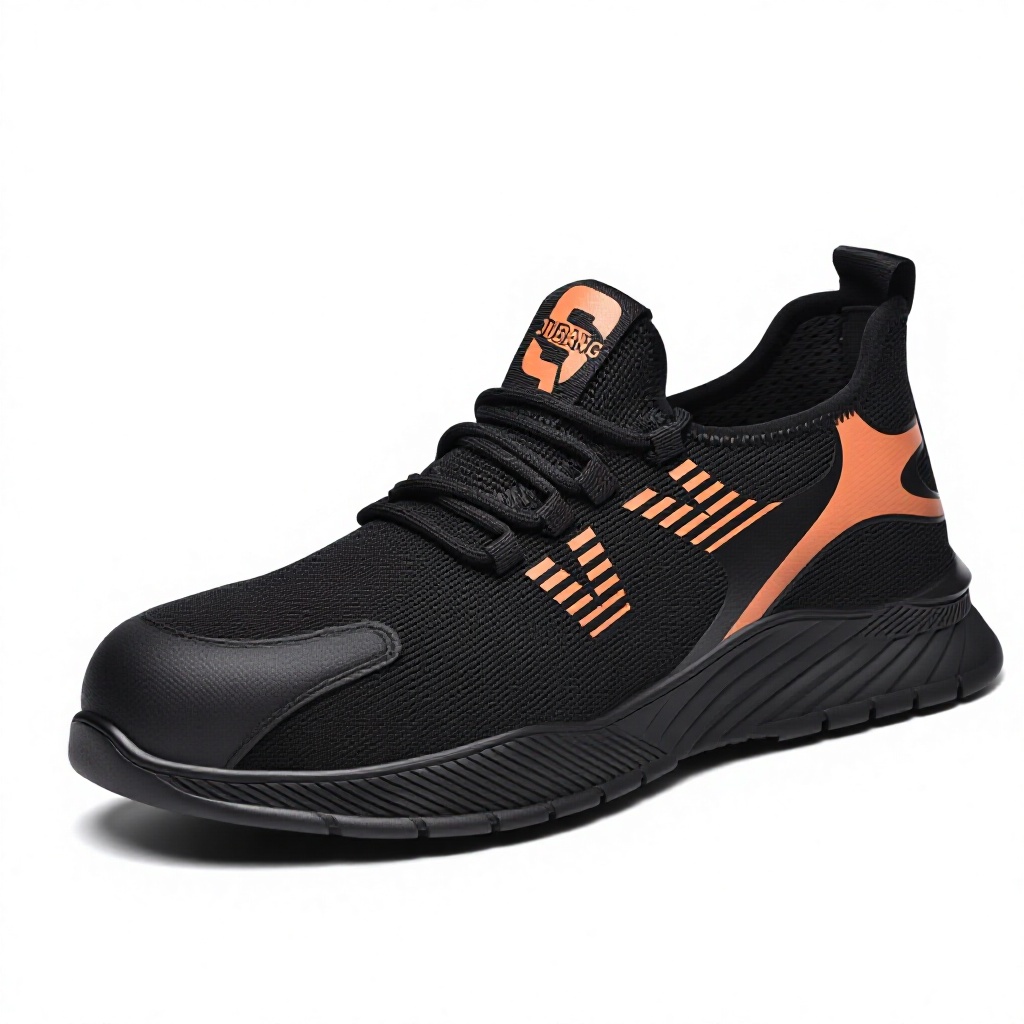
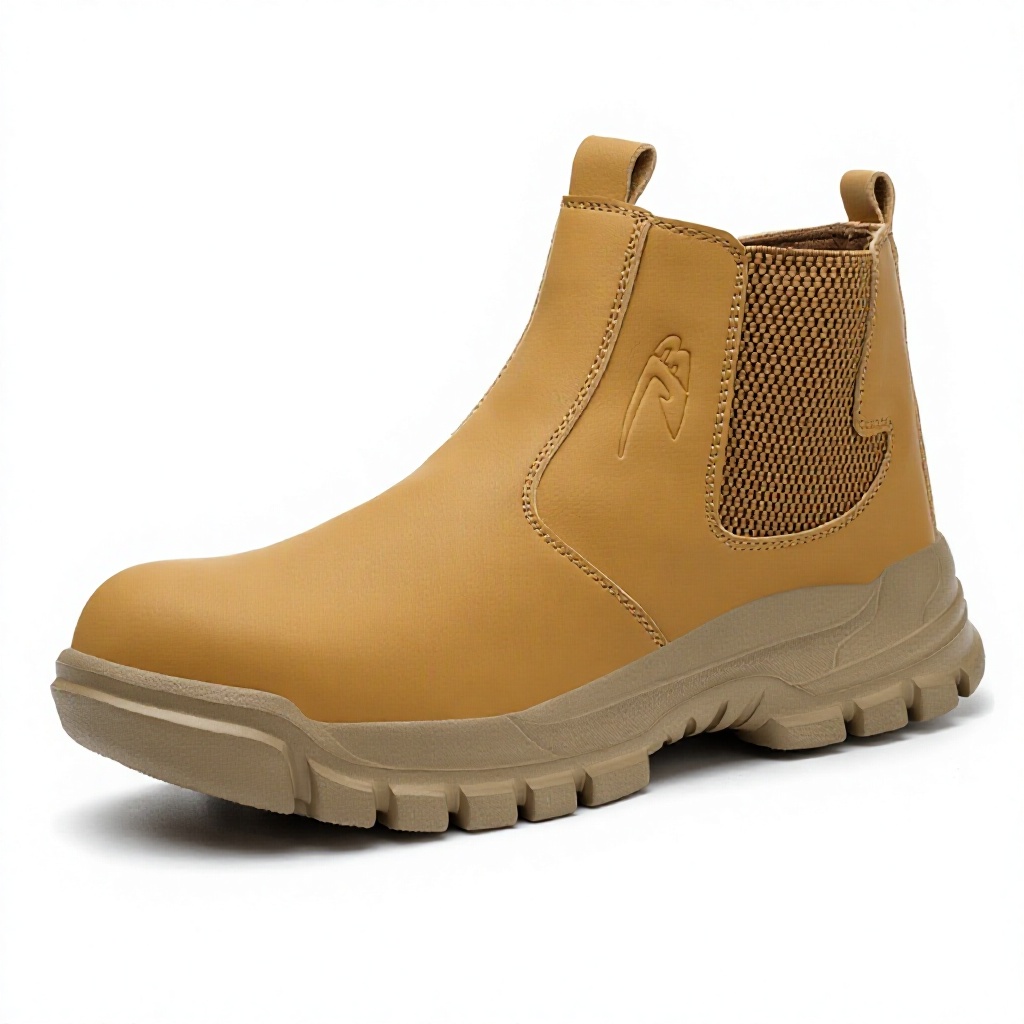
Technical Architecture of Modern Industrial Protective Footwear
A comprehensive overview of composite ballistic textiles, anatomical wide-flange steel caps, and duel-density sole vulcanization processes.
Wide-Flange Forged Steel Caps
Fabricated from custom cold-rolled carbon steel, our toe enclosures exceed the 200-Joule impact standard and 15 kN static compression requirements. The wide-flange design avoids toe pinch during multi-directional flexing on uneven structural surfaces.
Kevlar & Steel Penetration Plates
Equipped with either high-carbon puncture-resistant manganese plates or ultra-high-molecular-weight multi-layer aramid puncture fabrics. Calibrated to withstand over 1,100 Newtons of piercing force from nails, screws, rebar shards, and jagged metals.
Dual-Density PU/Rubber Soling
Direct injection polyurethane (PU) midsoles deliver progressive shock dissipation, paired with vulcanized nitrile rubber outsoles engineered for high SRC slip resistance, fuel oil resistance, and prolonged thermal resistance across extreme hot surfaces.
Industrial Safety Footwear Technical Classifications
Reference guide for import compliance, safety classification codes, and industrial application parameters.
| Classification | Protective Criteria | Upper & Outsole Engineering | Typical Industrial Deployment |
|---|---|---|---|
| EN ISO 20345 S1P / ASTM F2413 I/C PR | 200J Impact, 15kN Compression, 1100N Anti-Puncture, Anti-Static | Fly-Knit Mesh or Breathable Microfiber, Dual-Density PU | Indoor Warehousing, Electronics Assembly, Light Construction |
| EN ISO 20345 S3 SRC / ASTM F2413 EH | S1P + Water Penetration (WRU), SRC Slip, Cleated Tread | Full-Grain Cowhide or Water-Repellent Microfiber, PU/Rubber | Heavy Civil Engineering, Architecture, Oil & Gas Infrastructure |
| EN ISO 20345 S3L / ESD Precision | Electrostatic Dissipation (100kΩ - 1000MΩ), Penetration Guard | Hydrophobic Split Cowhide Leather, Nitrile Rubber Outsole | Automotive Manufacturing, Petrochemicals, Cleanrooms |
| High-Leg Structural Work Boots | Ankle Impact Dissipation, Cold/Heat Insulated (CI/HI), Puncture Guard | Top-Grain Crazy Horse Cowhide, Deep Lug Self-Cleaning Cleats | Open-Pit Mining, Structural Steel Erection, Railway Engineering |
Future Procurement Trends in Industrial Footwear (2025-2030)
Market intelligence for B2B supply chain managers, distributor buyers, and corporate safety equipment contractors.
1. Accelerated Microfiber Adoption
Global procurement portfolios are rapidly replacing conventional split leathers with bio-synthetic microfiber leather. Engineered microfibers provide up to 35% higher tensile tear resistance, standardized water repellency, and zero batch-to-batch visual variation, minimizing cut-waste rates during mass production.
2. Ergonomic Footbed & Dynamic Fatigue Mitigation
Workplace occupational health audits increasingly penalize high fatigue injury rates. B2B contracts are integrating requirements for anatomically contoured polyurethane or expanded thermoplastic polyurethane (E-TPU) insoles that preserve arch alignment and achieve over 55% kinetic energy rebound per gait cycle.
3. Complete Supply Chain Digital Traceability
Importers must now navigate stringent ESG, chemical restrictions (REACH, California Proposition 65), and verifiable testing audits. Modern contract winners must provide certified test laboratory reports, traceable raw component bills of materials, and standardized batch certifications before dispatch.
Footwear Technology Roadmap: Next-Gen PPE Innovations
How our factory integrates technological breakthroughs into current and upcoming production runs.
Dial Lacing & Quick-Release Systems
Moving beyond traditional braided laces, mechanical wire-reel tightening mechanisms provide uniform, pressure-point-free instep wrap. Crucially, they enable single-second emergency disengagement in chemical splash or crush incident emergencies.
Non-Metallic Composite Transitions
While carbon-forged steel caps remain the economic gold standard for heavy industry, composite glass-fiber and carbon-nanotube toe structures are expanding. They provide non-magnetic, non-conductive electrical insulation and zero thermal conductivity in refrigerated food processing plants.
Modular Last Configurations
Leveraging precise 3D foot-scan biometric analytics, our tooling engineers have developed localized export lasts: broader ball-width geometries for North American and Australasian feet, alongside modified instep arches tailored for European and Latin American worker profiles.
Enterprise Strengths & Factory Infrastructure
Reliable bulk safety footwear manufacturing backed by rigid engineering control, verified facilities, and comprehensive international trade capacity.
Controlled Supply Chain Quality
Just as clean industrial systems require locked BOM standards, we reject bottom-bracket raw sourcing. Our assembly facilities qualify and lock approved tanneries, certified steel toe forge lines, and polymer compounders to ensure consistency across repeat containers.
Full OEM & ODM Customization
We provide full-spectrum branding execution: custom steel mold outsole embossing, rubber tongue badges, thermal stamp leather logos, branded insoles, retail packaging, and customized instructional leaflets ready for direct distribution.
Global Trade Terms & Versatile Payments
Exporting across the Middle East, North America, South America, South Asia, and Eastern Europe. We support 10 recognized delivery Incoterms: FOB, CFR, CIF, EXW, FAS, FCA, CPT, DDP, DDU, and Express, with settlement supported across USD, EUR, CAD, AUD, GBP, HKD, and CNY.
Onsite-Verified Factory Audit
Our production physical premises, business integrity, and manufacturing lines are verified onsite with rigorous independent third-party assessments (including TÜV Rheinland-inspected facilities), providing complete transparency for risk mitigation.
In-House Physical & Chemical Testing
Every bulk lot undergoes internal physical destruction testing: toe impact drop towers (200J), continuous flexing testers (≥100,000 cycles without sole cracking), upper-to-sole bond peel testers, and hydrostatic leak testing for water-resistant designs.
End-to-End International Logistics
From full 40-foot HQ container freight consolidation to customs declarations and maritime hazardous-free transport manifest clearance, our trade department handles the logistical pipeline directly to your local logistics terminal.
Frequently Asked Sourcing & Procurement Questions
In-depth operational, technical, and commercial answers for foreign direct importers and brand owners.
What is your Minimum Order Quantity (MOQ) for custom OEM and stock models?
Which international testing certifications and compliance documents can you provide?
What is the difference between direct PU injection, cemented, and Goodyear welted construction?
What trade terms and payment methods are supported for bulk safety footwear orders?
How do you ensure batch-to-batch quality consistency across repeated large orders?
What is the typical production lead time from deposit to ocean vessel loading?
Ready to Engineer or Expand Your Safety Footwear Line?
Contact our engineering and export team today. Share your volume, technical target specs, or brand requirements for a prompt quote, lab reports, and physical sample coordination.