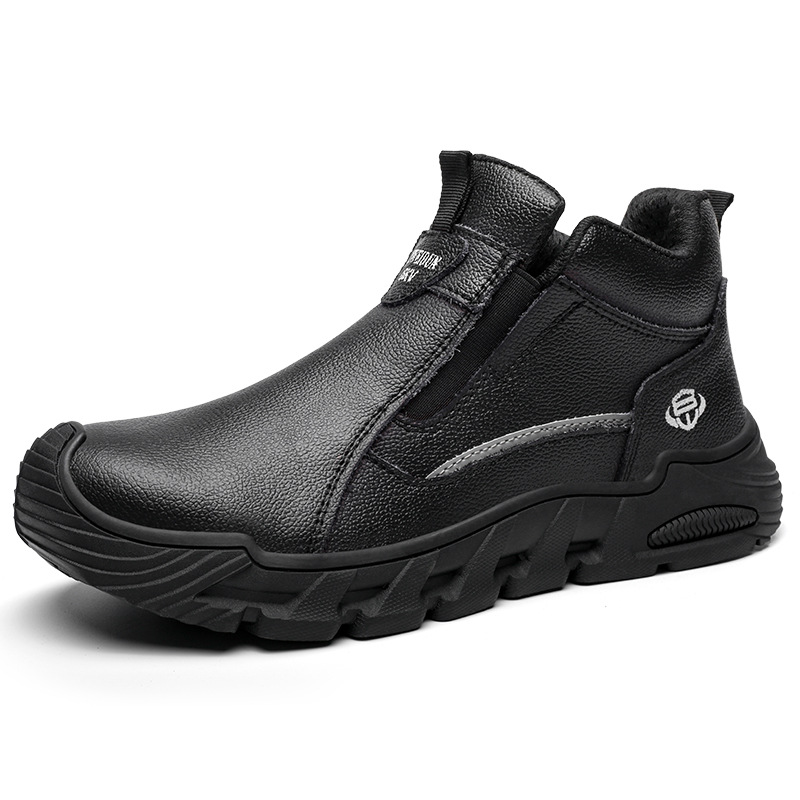
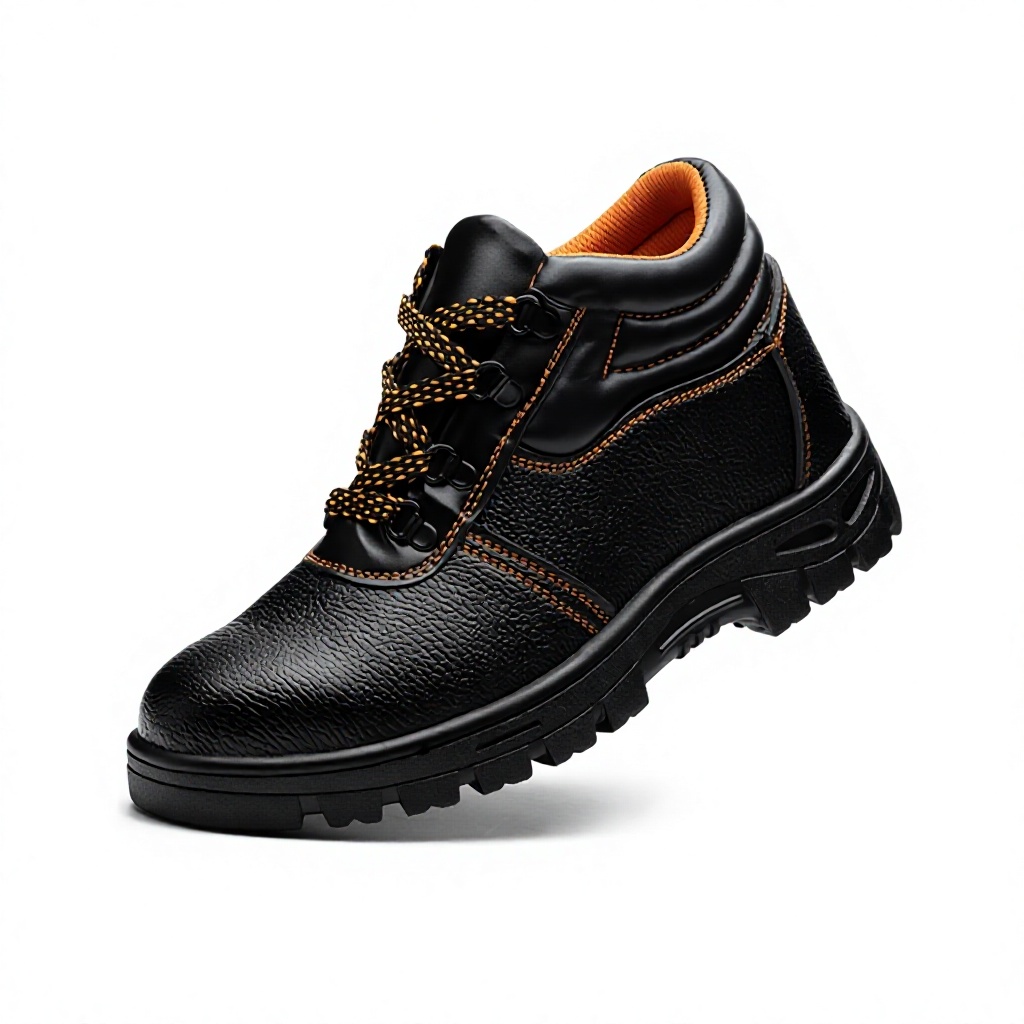
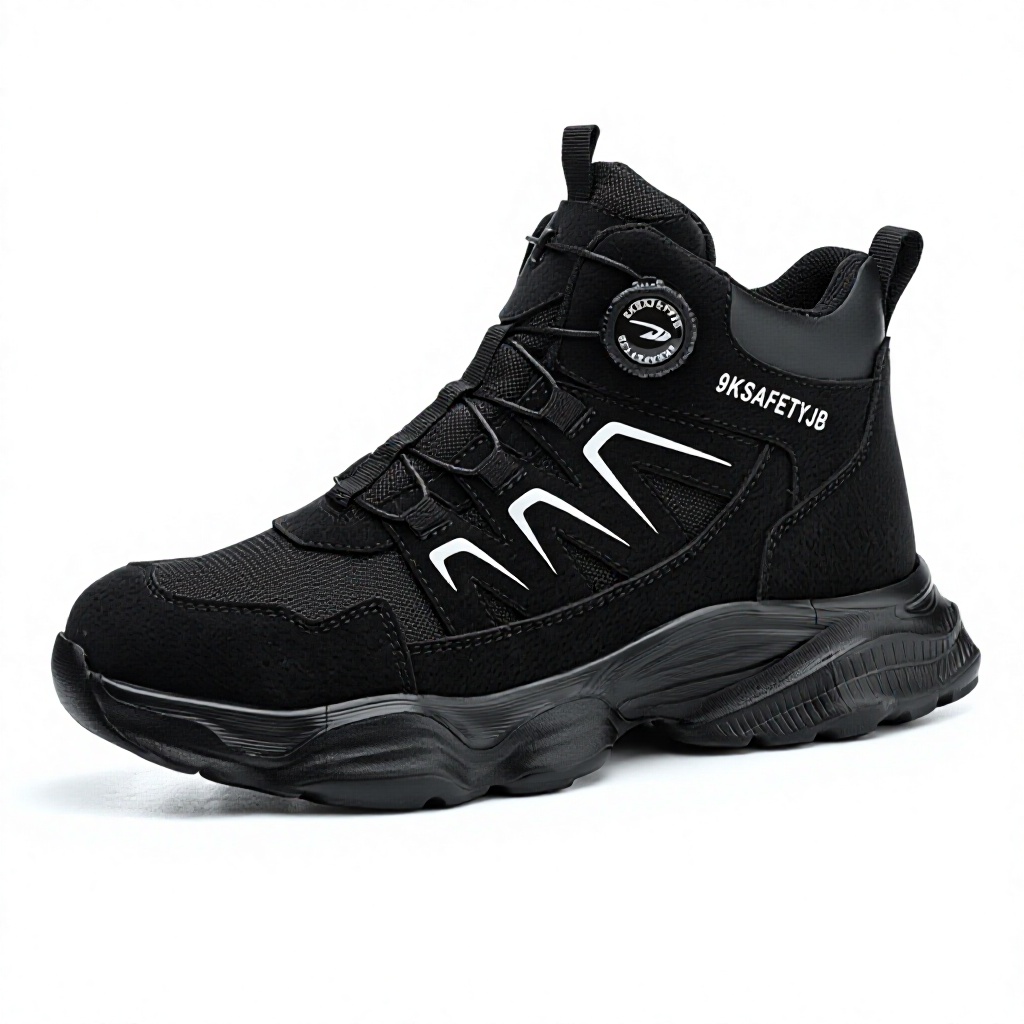
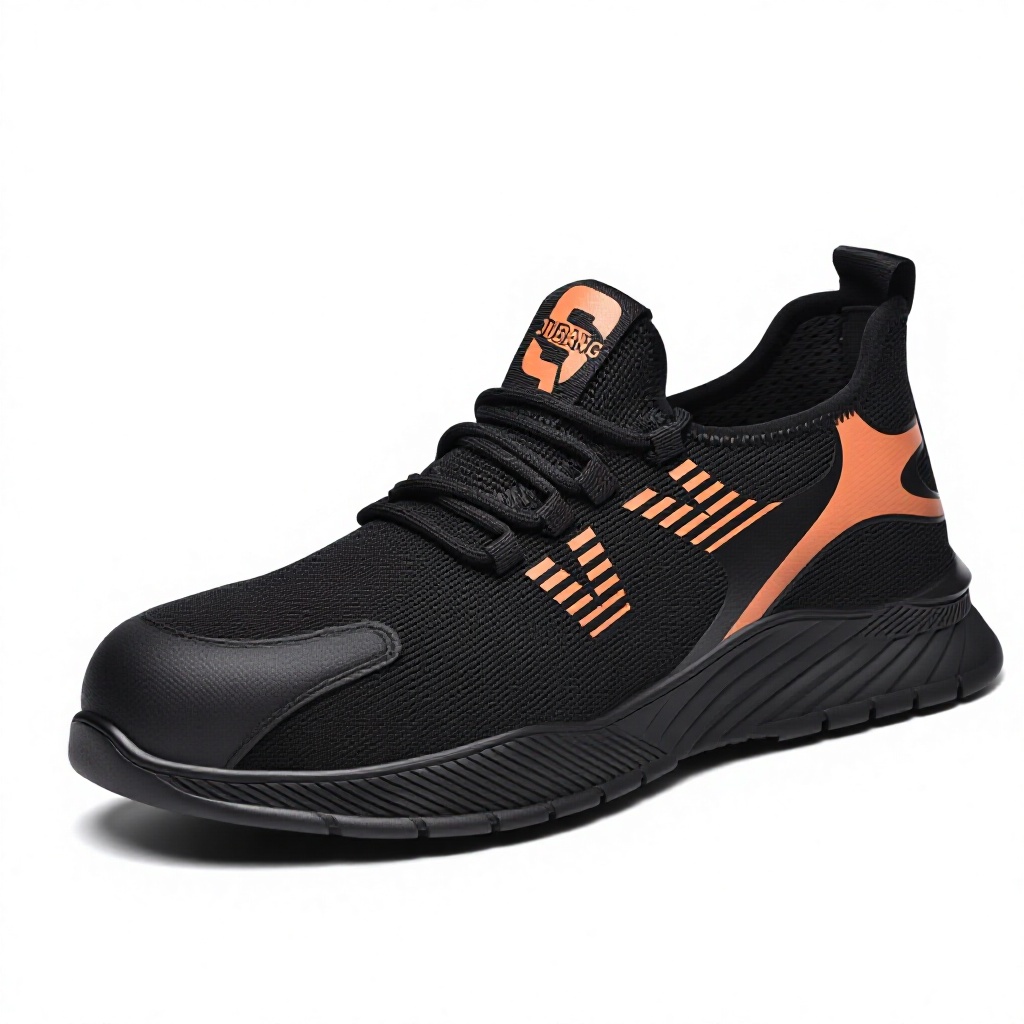
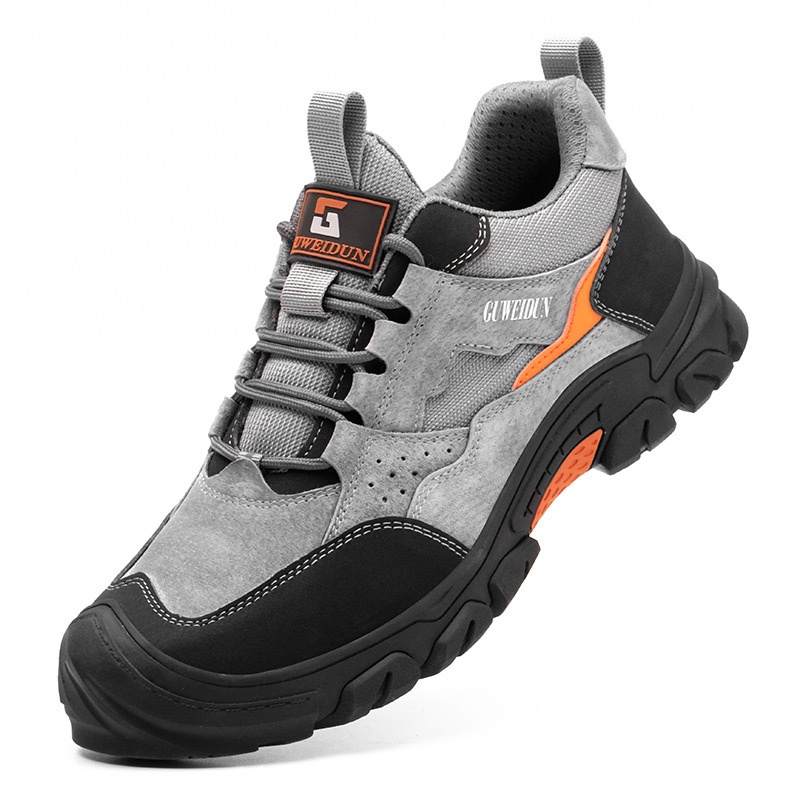
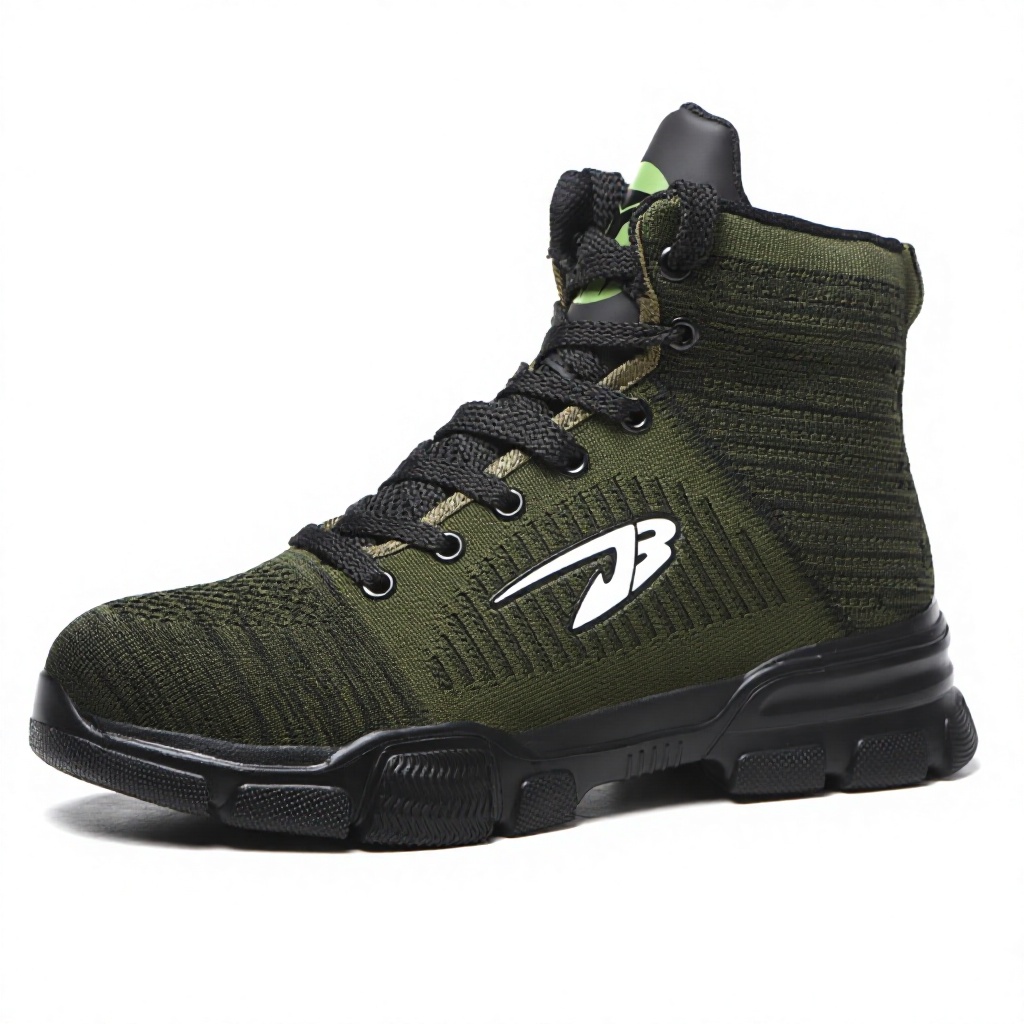
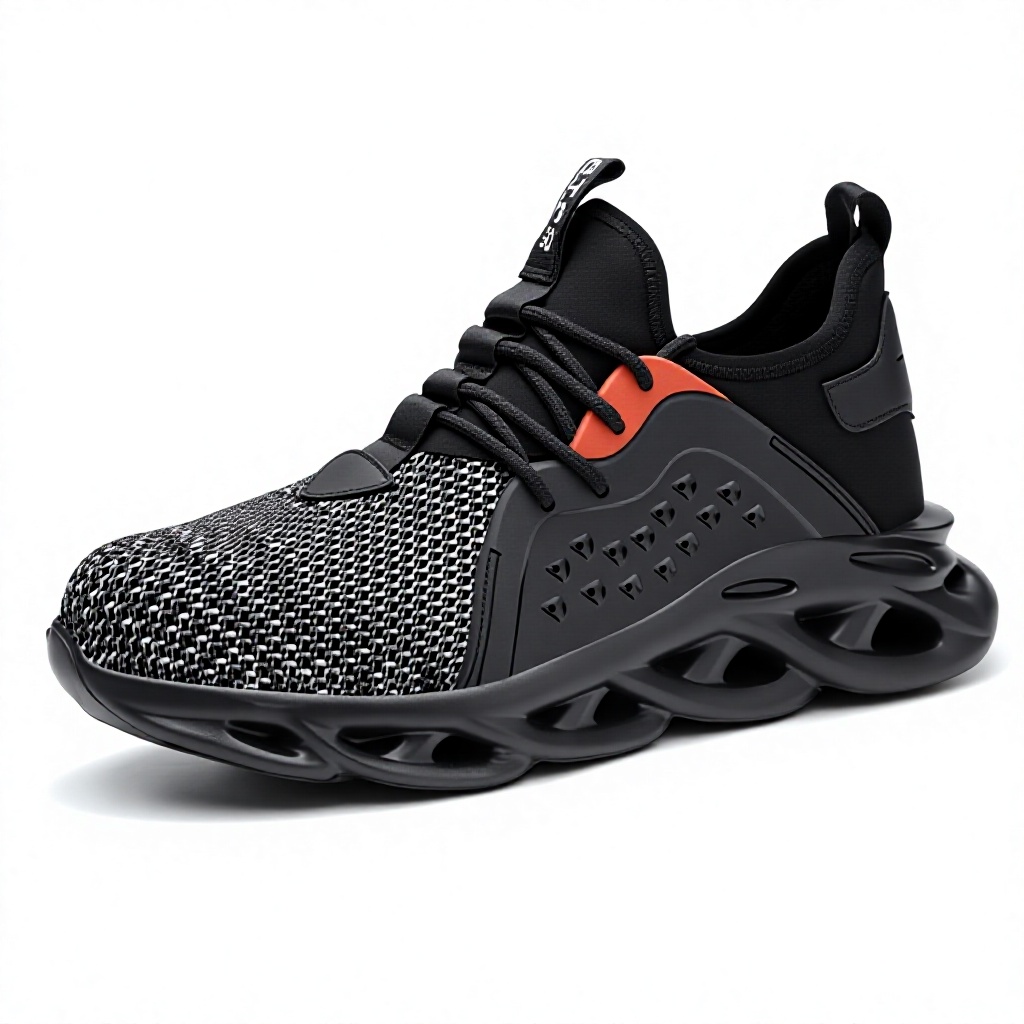
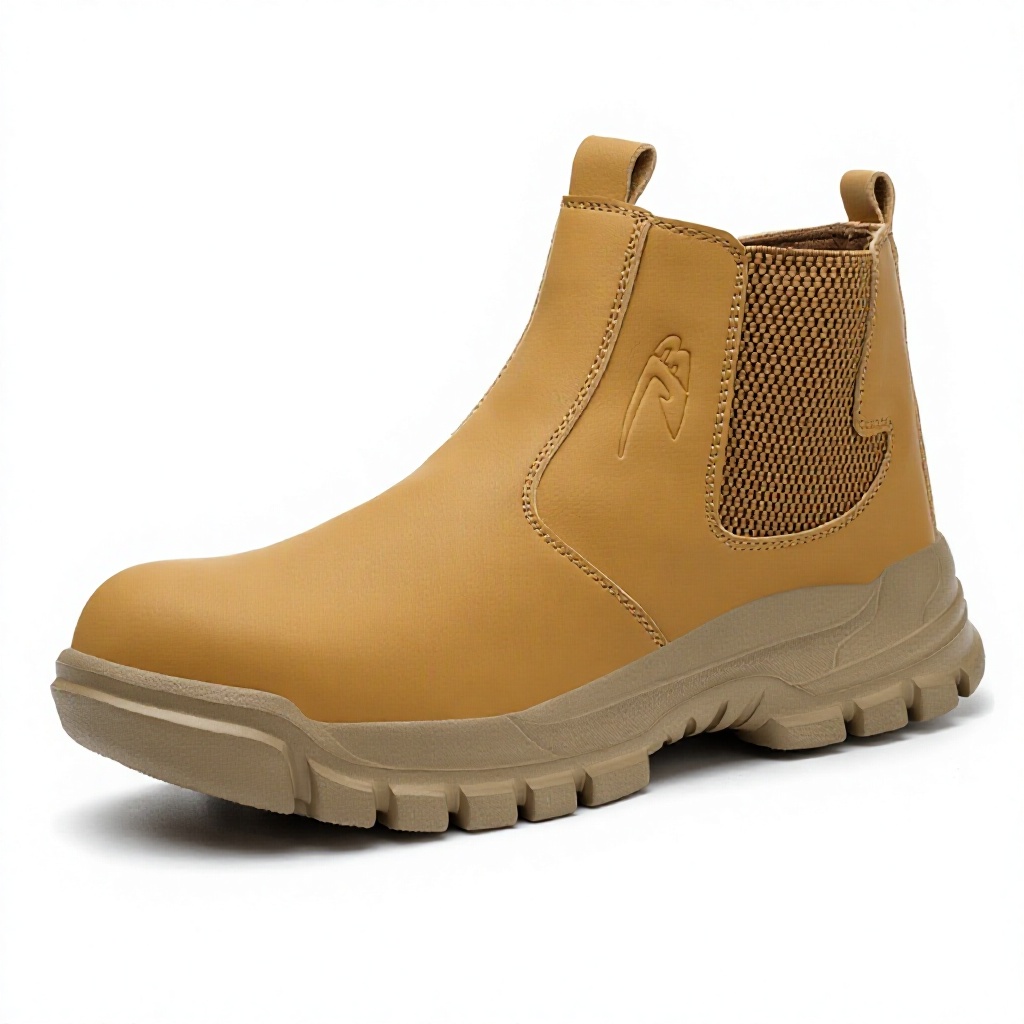
Featured Solar Installation Equipment & High-Voltage Field Protection
Mission-critical electrical protection and certified field gear engineered for grid-tie solar technicians, switchgear installers, and commercial EPC contractors handling utility-interconnection voltages.
Executive Summary: The Central Role of Grid Tie Inverters in Modern Energy Infrastructure
In modern renewable energy architectures, the grid-tie inverter serves as the critical brain and operational nexus between DC photovoltaic generation assets and alternating current (AC) transmission infrastructures. Grid-tie inverters are no longer basic DC-to-AC conversion appliances; they function as intelligent distributed power plants capable of dynamic grid stabilization, reactive power injection, autonomous anti-islanding isolation, and high-frequency digital communications.
As the international solar PV sector transitions toward higher system voltages—predominantly 1500V DC architectures in commercial and industrial (C&I) as well as utility segments—procurement directors, engineering procurement construction (EPC) firms, and independent power producers (IPPs) encounter stringent technical demands. Achieving a low Levelized Cost of Electricity (LCOE) requires balancing inverter initial capital expenditure (CAPEX) with long-term operational durability (OPEX), weighted conversion efficiency, mean time between failures (MTBF), and adherence to evolving worldwide grid interconnection standards (including IEEE 1547-2018, UL 1741 SB, and European EN 50549-1/2 codes).
Comparative Analysis: Top 10 Grid Tie Inverter Manufacturers & Suppliers
The global grid-tie inverter manufacturing landscape is defined by technological innovation, robust production ecosystems, supply chain reliability, and localized engineering support. Below is an exhaustive industry ranking and technical evaluation of the top 10 global manufacturers dominating the distributed generation, commercial, and utility sectors.
Huawei (FusionSolar)
Tier 1 #01Global leader in string inverter architectures leveraging digital information technology, artificial intelligence, and proprietary chipsets.
- Core Topology: Multi-MPPT Smart String Inverters (up to 330 kW)
- Max Efficiency: 99.0% Euro Efficiency
- Key Feature: AI-powered AFCI & Smart I-V Curve Diagnosis
- Primary Segment: Large C&I and Utility-Scale
Sungrow Power Supply
Tier 1 #02Comprehensive power electronics manufacturer offering both massive central stations and flexible high-capacity commercial string inverters.
- Core Topology: 1500V String & Central "1+X" Inverters
- Max Efficiency: 99.0% Peak
- Key Feature: Modular design with integrated DC disconnects
- Primary Segment: Utility, Large Industrial, Floating PV
SMA Solar Technology
Tier 1 #03German engineering pioneer renowned for high power quality, grid-forming controls, and robust performance in extreme industrial environments.
- Core Topology: Sunny Tripower Core series & Sunny Central
- Max Efficiency: 98.8% Weighted
- Key Feature: OptiTrac Global Peak shading management
- Primary Segment: European & North American C&I / Utility
SolarEdge Technologies
Tier 1 #04Pioneers of Module-Level Power Electronics (MLPE) providing DC optimizers coupled with simplified grid-tie inverter units.
- Core Topology: Fixed-voltage DC-optimized Inverters
- Max Efficiency: 99.2% with integrated optimizers
- Key Feature: Module-level shutdown, granular monitoring
- Primary Segment: Commercial Rooftops & High-Density Carports
Enphase Energy
Tier 1 #05Market benchmark for distributed AC microinverters, eliminating high-voltage DC field cabling while optimizing low-light yield.
- Core Topology: IQ8 Series Distributed Microinverters
- Max Efficiency: 97.5% CEC Weighted
- Key Feature: Sunlight Jumpstart grid-forming capabilities
- Primary Segment: Premium Residential & Light Commercial
Fimer (ABB Legacy)
Tier 1 #06Italian power conversion group carrying decades of heavy electrical engineering expertise across European utility markets.
- Core Topology: PVS-100/120 String & PVS980 Central
- Max Efficiency: 98.9% European Efficiency
- Key Feature: Double-stage conversion with dual-compartment IP66
- Primary Segment: Heavy Industrial & Infrastructure Projects
GoodWe
Tier 1 #07Rapidly expanding manufacturer known for versatile hybrid grid-storage inverters and multi-tracker commercial string topologies.
- Core Topology: HT Series 1100V / 1500V String Inverters
- Max Efficiency: 99.0% Maximum
- Key Feature: Integrated dynamic export power limiting
- Primary Segment: C&I Rooftops, Agri-PV, Ground Mount
Ginlong Technologies (Solis)
Tier 1 #08Specialized single-phase and three-phase string inverter developer offering expansive MPPT tracker flexibility for complex roof arrays.
- Core Topology: Solis-(80-255)K Multi-Tracker Inverters
- Max Efficiency: 98.8% CEC Rated
- Key Feature: Up to 12 MPPTs per unit with 150% DC oversizing
- Primary Segment: Multi-pitch Rooftops & Complex Solar Fields
Growatt New Energy
Tier 1 #09High-volume manufacturer focusing on cost-effective distributed PV inverters, microgrid integrations, and smart energy managers.
- Core Topology: MAX 100-253KTL3-X Commercial Series
- Max Efficiency: 98.8% Peak Conversion
- Key Feature: Type II SPD on both DC & AC lines, smart cooling
- Primary Segment: Decentralized C&I and Distributed Solar
Virtuous Technology (Jiaxing Virtuous)
Tier 1 #10Premier specialized energy engineering OEM/ODM provider integrating high-efficiency hybrid grid inverters, liquid-cooled C&I BESS, and field hardware.
- Core Topology: All-in-One PCS & Hybrid Storage Inverters (5 kW – 5016 kWh container scale)
- Max Efficiency: 98.7% System Round-Trip / 99.1% Inverter Peak
- Key Feature: Seamless On/Off-Grid Switching (<10ms), Liquid Thermal Balance, Onsite TÜV Rheinland Verified
- Primary Segment: Industrial Solar + Storage, Microgrids, Turnkey EPC
Technical Evaluation Matrix: Inverter Performance Parameters
When assessing grid-tie equipment, procurement teams must look past superficial peak efficiency numbers and evaluate engineering variables that influence long-term yield under demanding field conditions.
| Evaluation Parameter | Standard Market Specification | High-Yield Engineering Benchmark | System Impact on Project ROI |
|---|---|---|---|
| DC Input Voltage Rating | 1000 V DC Maximum | 1500 V DC Wide MPPT (500V–1450V) | Reduces DC balance of system (BOS) cabling costs by up to 22%; allows longer string lengths. |
| MPPT Trackers & Current Capacity | 2–4 MPPTs, 20A–30A per string | 6–12 MPPTs, 40A–50A per tracker | Eliminates mismatch losses with high-power bifacial modules (>650W) and complex rooftop azimuths. |
| Grid Support & Low Voltage Ride-Through (LVRT) | Basic active power curtailment | Dynamic reactive power support, Zero Export control, Synthetic Inertia | Ensures regulatory compliance with utility grid codes; avoids forced interconnect disconnection penalties. |
| Thermal Management Strategy | Forced convection fans (air cooling) | Smart redundant fan arrays or isolated liquid-cooled plate heatsinks | Prevents high-temperature power derating in ambient environments exceeding 45°C. |
| Harmonic Distortion (THD) | < 3.0% at rated load | < 1.5% with multi-level PWM filtering | Maintains local distribution power quality and protects sensitive factory machinery from resonance. |
| Enclosure Protection & Anti-Corrosion | IP65 indoor/sheltered outdoor | IP66 Enclosure with C5 High Anti-Corrosion | Guarantees 15–20 year operational lifespan in high-humidity, marine coastal, and desert environments. |
Strategic Advantages of Jiaxing Virtuous Technology: Engineering Integrity & Controlled Supply Chain
Founded in 2018 in Jiaxing, Zhejiang, Jiaxing Virtuous Technology Co., Ltd. was established to address the critical gap in renewable energy procurement: the lack of component cohesion between PV arrays, power conversion systems (inverters), and battery energy storage. Rather than pursuing unvetted low-cost components, Virtuous applies a rigorous qualification process across every link of the supply chain.
Onsite-Verified Integrity
Our operations, manufacturing alliances, and trade credentials are verified onsite by independent inspection bodies, including TÜV Rheinland.
Integrated System Matching
We lock approved battery cells, power conversion modules (PCS), and hybrid inverters into unified Bill of Materials (BOM) configurations to eliminate field communication faults.
Flexible Global Logistics
Full support for international trade terms (FOB, CFR, CIF, EXW, FCA, DDP, DDU) with active field support networks across the Middle East, Americas, and South Asia.
Product Recommendations: Integrated Grid-Tie Storage Inverters & C&I BESS
For engineering contractors requiring unified solar-plus-storage platforms, Virtuous supplies fully coordinated power conversion and LiFePO4 battery enclosures configured to perform reliably alongside utility connections.

BESS-L418 Liquid Cooled
418 kWh C&I battery system with liquid thermal control, integrated bidirectional inverter connection, and IP54 outdoor rating.
Inquire Now
AIO-A313 Industrial ESS
313 kWh 400V all-in-one power conversion unit with air cooling, integrated PCS, EMS, and automatic safety fire suppression.
Inquire Now
HES-1010 Hybrid System
10 kW hybrid grid-tie storage inverter matched with 10–25 kWh modular 51.2V LiFePO4 stackable battery packs.
Inquire Now
BESS-C5016 Containerized
5016 kWh high-density 20ft containerized storage for centralized utility grid injection, frequency regulation, and solar farm firming.
Inquire NowFuture Sourcing & Procurement Trends (2025–2030)
The procurement of grid-tie power electronics is undergoing structural shifts driven by geopolitical policies, supply chain realignments, and advanced grid interconnect requirements:
1. Transition to Wide Bandgap Semiconductors (SiC and GaN)
Silicon Carbide (SiC) and Gallium Nitride (GaN) switching components are rapidly replacing conventional silicon-based Insulated-Gate Bipolar Transistors (IGBTs). SiC MOSFETs operate at higher switching frequencies with lower thermal dissipation losses, enabling inverter manufacturers to shrink magnetics, decrease enclosure chassis volumes by up to 35%, and push peak conversion efficiencies beyond 99.2%.
2. Demand for Native Grid-Forming Capabilities
As variable renewable energy penetration surpasses 40% on local utility feeders, traditional grid-following inverters (which rely on external voltage and frequency references) are destabilizing weak distribution networks. Next-generation procurement frameworks require inverters with active grid-forming capabilities. These units use advanced algorithms to simulate physical rotating turbine inertia, damp grid voltage fluctuations, and provide genuine black-start capability during widespread power outages.
3. Cybersecurity and Interconnection Compliance (IEEE 1547-2018 & UL 1741 SB)
Global regulatory agencies are tightening inverter digital communications security. Inverters connected to public networks must now feature cryptographic hardware authentication, encrypted cloud telemetry (TLS 1.3), secure remote firmware update paths, and strict compliance with IEEE 1547.1-2020 testing standards to mitigate vulnerabilities in distributed electrical grids.
4. Full Lifecycle Traceability and ESG Transparency
Procurement directors in Europe and North America now demand documented Bill of Materials (BOM) traceability. This includes independent metallurgical validation of inductors and capacitors, labor-audit verified component supply channels, and environmental reporting certifying recyclable content within aluminum structural housings.
Engineering & Product Development Trends in Grid-Tie Architecture
Grid-tie solar technology is progressing beyond isolated balance-of-system hardware into fully integrated software-defined power nodes:
Decentralized Multi-MPPT Architecture: Large commercial installations are moving away from massive centralized monolithic inverters toward clusters of high-capacity string inverters (100 kW to 350 kW). This decentralized design isolates string failures, improves system availability factors to 99.9%, and eliminates single-point-of-failure downtimes that historically affected central utility stations.
Integrated DC-Coupled Storage Interfaces: As peak energy export rates decrease, grid-tie inverters are integrating dedicated high-voltage bidirectional DC-DC battery ports directly onto the internal DC bus. This approach eliminates unnecessary AC-to-DC conversion stages, reducing round-trip energy losses by 4% to 7% compared to traditional AC-coupled battery retrofits.
Frequently Asked Questions (FAQ) for Grid-Tie Inverter Procurement
What is the technical difference between central and string grid-tie inverters?
How does high DC/AC oversizing (overclocking) affect inverter operational lifespan?
Which regulatory certifications are mandatory for importing grid-tie equipment into international markets?
Why is Arc Fault Circuit Interruption (AFCI) critical in modern commercial grid-tie inverters?
How does liquid cooling compare to forced-air cooling in high-capacity inverters and BESS cabinets?
Accelerate Your Commercial Solar & Storage Deployments
Partner with an onsite-verified manufacturer for coordinated grid-tie inverters, complete C&I liquid-cooled energy storage systems, and certified electrical infrastructure. Request an engineered proposal with complete datasheets and regional compliance sets.
Inquire Now