High-Reliability Industrial & Commercial Backup Power Systems
Engineered with tier-one prismatic LiFePO4 cells, active aerosol fire suppression, and intelligent cloud EMS telemetry for uninterrupted mission-critical continuity.


Engineering Beyond Component Sourcing: The Jiaxing Virtuous Paradigm
Founded in 2018 in Jiaxing, Zhejiang, Jiaxing Virtuous Technology Co., Ltd. has established itself as an authoritative leader in engineered lithium iron phosphate (LiFePO4) energy storage and industrial standby power architecture. Unlike assembly-only middlemen who substitute sub-tier cells to undercut spot pricing, Virtuous implements strict Bill-of-Materials (BOM) locking protocols with tier-one cell manufacturers and Tier-1 automotive-grade Battery Management System (BMS) suppliers.
Every commercial cabinet (241 kWh to 418 kWh) and utility container (up to 5016 kWh) incorporates deterministic multi-tier protection, hardware-isolated cell balancing, and IP54 sealed dual-compartment designs. This structural discipline ensures zero thermal runaway propagation, sustained high-rate performance across extreme ambient gradients (-20°C to +55°C), and verified Levelized Cost of Storage (LCOS) reduction for EPCs and industrial asset managers across the Middle East, North America, South America, South Asia, and Europe.
The Global Transition to High-Density LiFePO4 Energy Architecture
A technical analysis of how liquid cooling, high-voltage buses, and integrated digital EMS telemetry are defining next-generation commercial continuity.
Liquid vs. Air Cooling Dynamics
Modern C&I projects demand tight cell-to-cell thermal tolerance. While forced air cooling remains cost-effective for moderate ≤0.5C profiles, liquid-cooling architectures constrain intra-cabinet delta-T to within 2.5°C, suppressing localized hotspots and augmenting system cycle life by upwards of 28% in hot operating environments.
Grid-Tie Microgrids & UPS Millisecond Transfer
The boundary between static uninterruptible power supplies (UPS) and distributed battery storage has merged. Advanced bi-directional PCS topology supports seamless STS (Static Transfer Switch) switching under 10 milliseconds, delivering zero-drop power continuity for CNC production lines, data servers, and cold-chain hubs during grid brownouts.
Multi-Tier Safety & NFPA Compliance
Insurance underwriting and municipal fire codes (including NFPA 855 and UL 9540A) now require module-level thermal insulation, multi-gas detection (CO, H2, smoke), and automated aerosol or clean-agent fire suppression. Virtuous cabinets integrate automatic flue venting and rapid isolated de-energization to prevent thermal cascade.
Technical Selection Guide: System Architecture by Procurement Scope
Benchmark technical criteria across Commercial BESS, Modular Microgrid Containers, and Residential Systems.
| System Classification | Standard Rated Capacity | Thermal Regulation | Optimal C-Rate Duty | Target Deployment Segment | Standard Compliance |
|---|---|---|---|---|---|
| Liquid-Cooled C&I Cabinet | 261 kWh / 418 kWh | Closed-Loop Glycol Liquid System | 0.5C to 1.0C continuous | Industrial parks, EV charging hubs, cold logistics | IEC 62619, CE, UN38.3, UL 1973 ready |
| All-in-One Air-Cooled Cabinet | 241 kWh / 313 kWh | High-CFM Industrial Dual HVAC | 0.5C standard cycling | Retail complexes, agro-processing, commercial rooftops | CE (LVD/EMC), IEC 62040, RoHS |
| Utility Containerized Block | 2.5 MWh – 5.016 MWh | Distributed Liquid Chiller Array | 0.25C to 1.0C variable | Independent Power Producers, Grid ancillary, mining | IEC 62619, NFPA 855, UN38.3, ISO container |
| HES Stackable Residential Series | 10 kWh – 25 kWh | Natural Convection / Internal Fan | 0.5C / 1.0C surge | Off-grid estates, residential solar arbitrage, clinic backup | CE, UN38.3, IEC 62619 modular standards |
| Heavy-Duty Mobile Power Unit | 512 Wh – 5040 Wh | Active Intelligent Smart Airflow | Pure Sine Wave >90% Eff. | Mobile field crews, telecom towers, emergency response | CE, FCC, RoHS, UN38.3 MSDS certified |
Future Procurement Trends in Backup Power Infrastructure
Essential guidance for international EPCs, system integrators, and government procurement officers managing energy security over the coming decade.
1. Shift to High-Voltage Bus Architectures (>800V DC)
Industrial installations are abandoning low-voltage battery banks in favor of high-voltage strings running between 600V and 1000V DC. Operating at elevated voltages significantly attenuates current amperage, allowing engineers to reduce busbar and copper conductor cross-sections, cut I²R resistive heat dissipation by up to 35%, and integrate directly into commercial central inverters without lossy intermediate step-up converters.
2. Monetization via Dynamic Peak-Shaving & VPP Interconnect
A backup power plant can no longer sit idle awaiting rare blackout events. Procurement teams evaluate energy systems based on two-way grid responsiveness: utilizing automated Time-of-Use (ToU) arbitrage to discharge stored solar power during peak evening tariffs, combined with cloud OpenADR protocols that allow aggregated systems to operate as Virtual Power Plants (VPPs) generating monthly ancillary service revenue.
3. Supply Chain Traceability & Cell Quality Guarantees
With heightened import scrutiny across North American and European borders, certified supply origins are non-negotiable. Qualified buyers now require verified cell birth certificates (demonstrating Grade-A pristine origin from verified lines), detailed UN38.3 test summaries, and independent third-party factory quality inspection records (e.g., TÜV Rheinland assessments) to safeguard against counterfeit cells and insurance rejection.
4. Turnkey Skid Integration vs. On-Site Component Assembly
High field-labor costs and installation error rates have driven a strong transition toward factory-pre-commissioned “All-in-One” skids and cabinets. Sourcing pre-wired, pre-tested units that arrive with matched inverters, internal BMS communications, and factory-tested fire protection cuts on-site commissioning time from weeks to hours, substantially mitigating project execution risk.
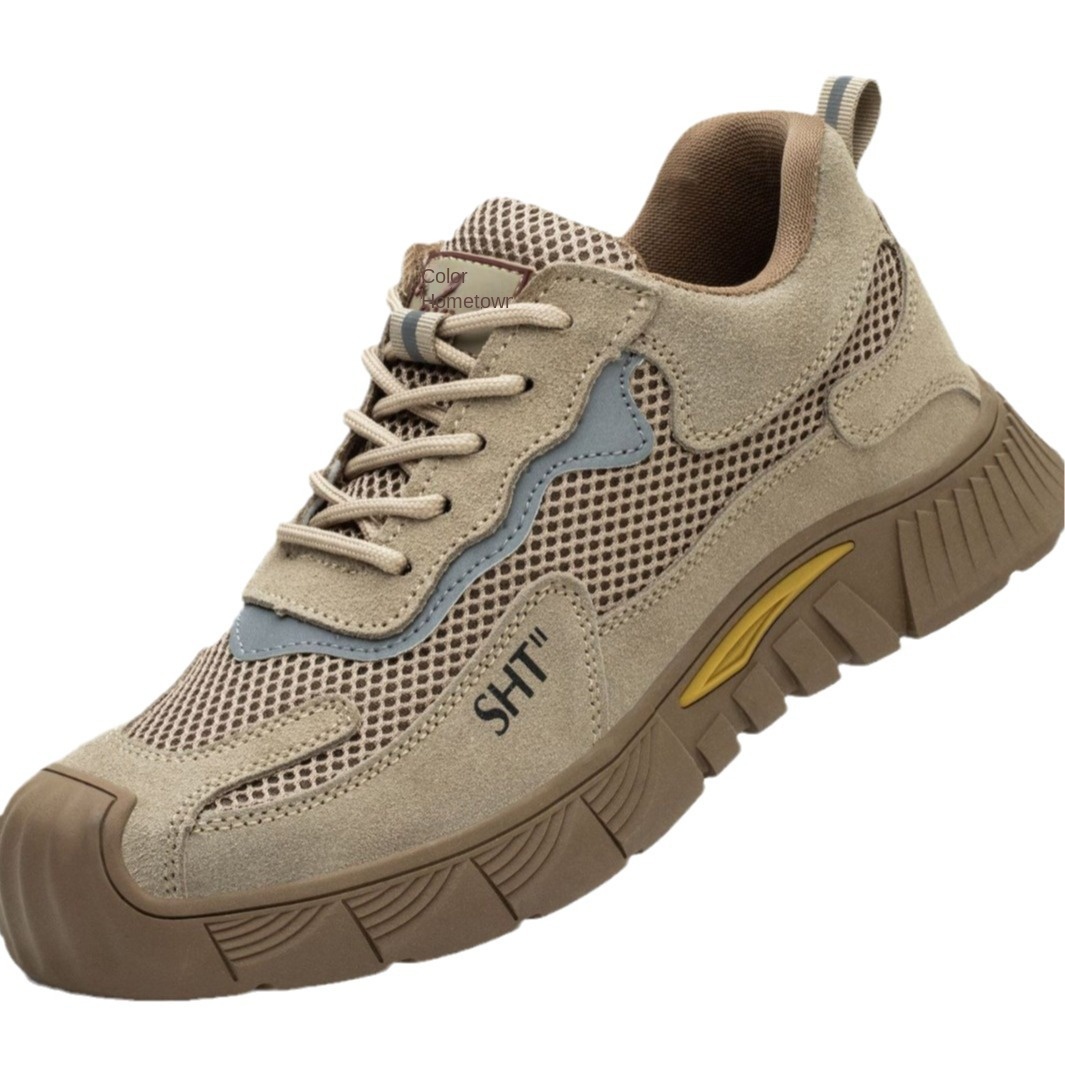
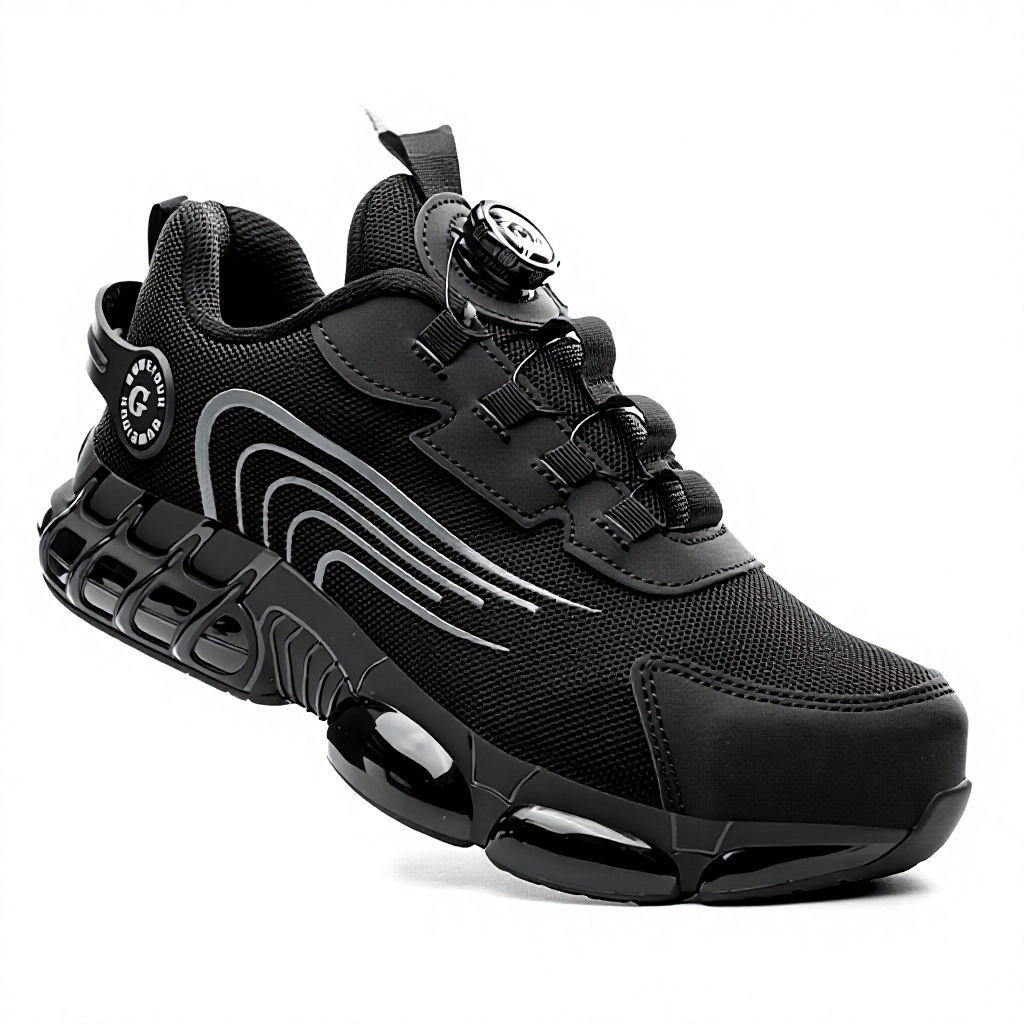
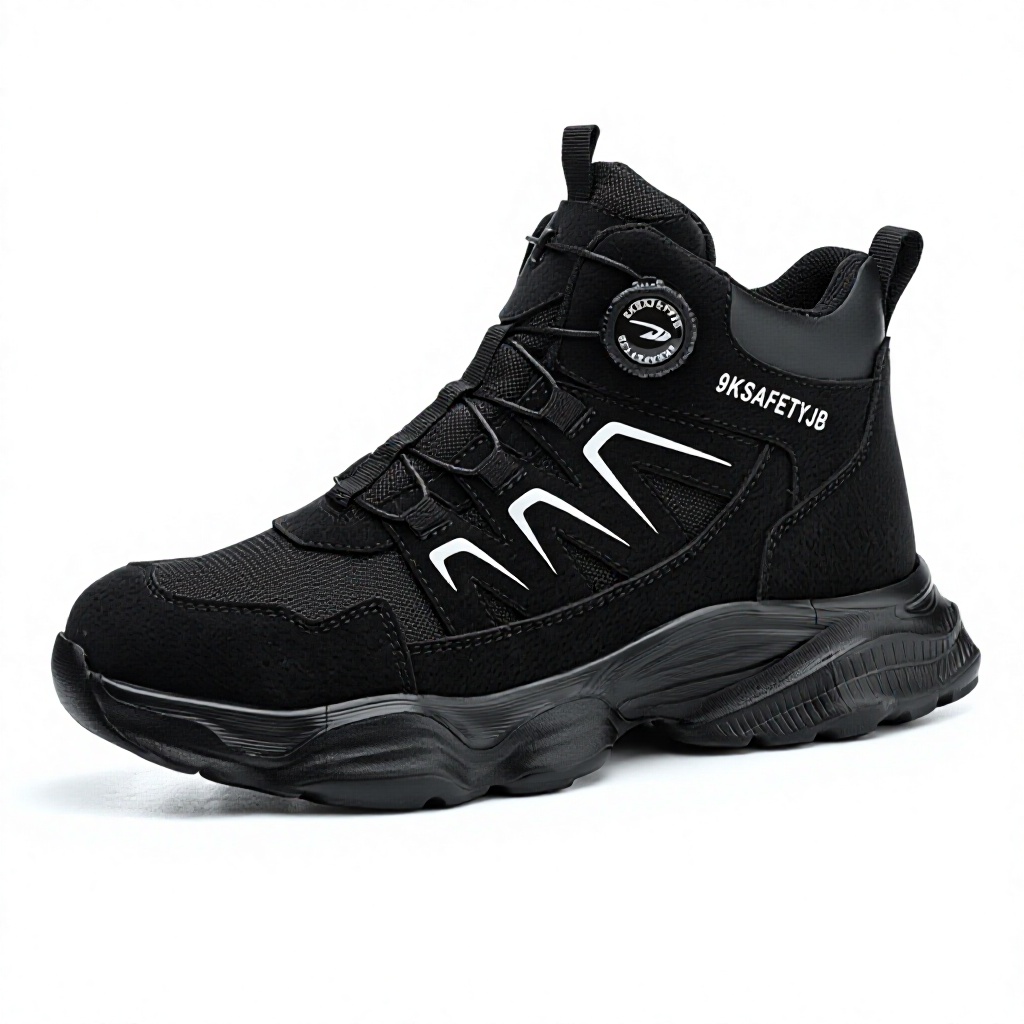
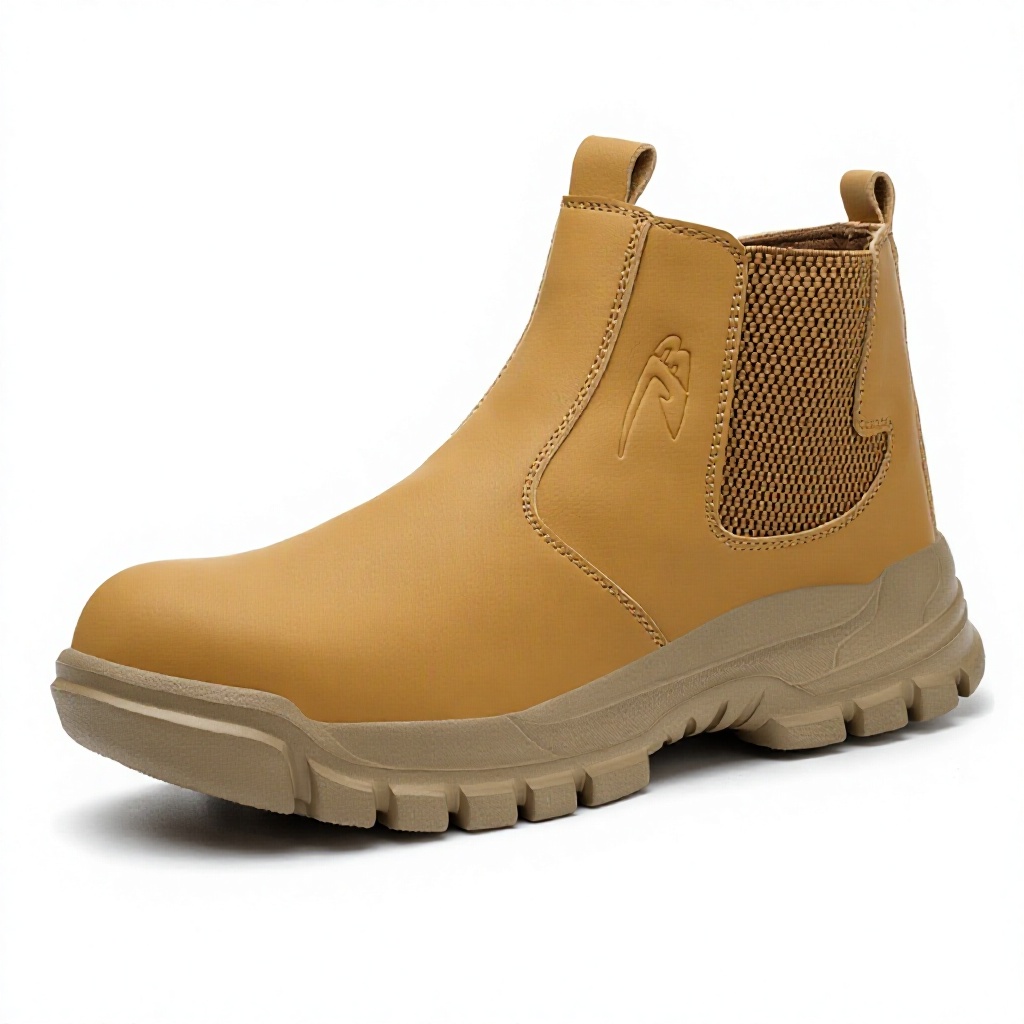
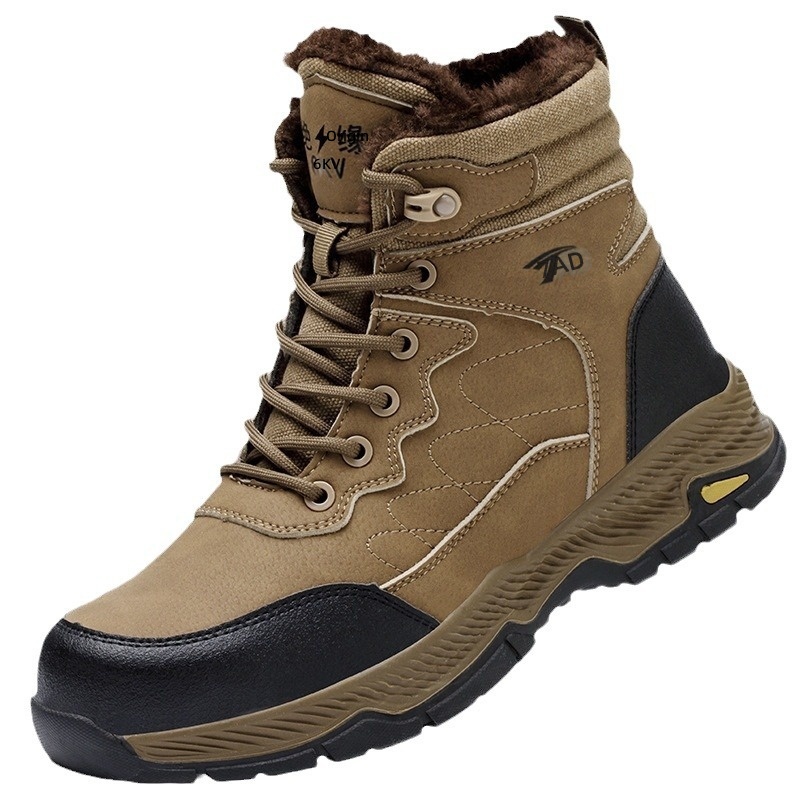
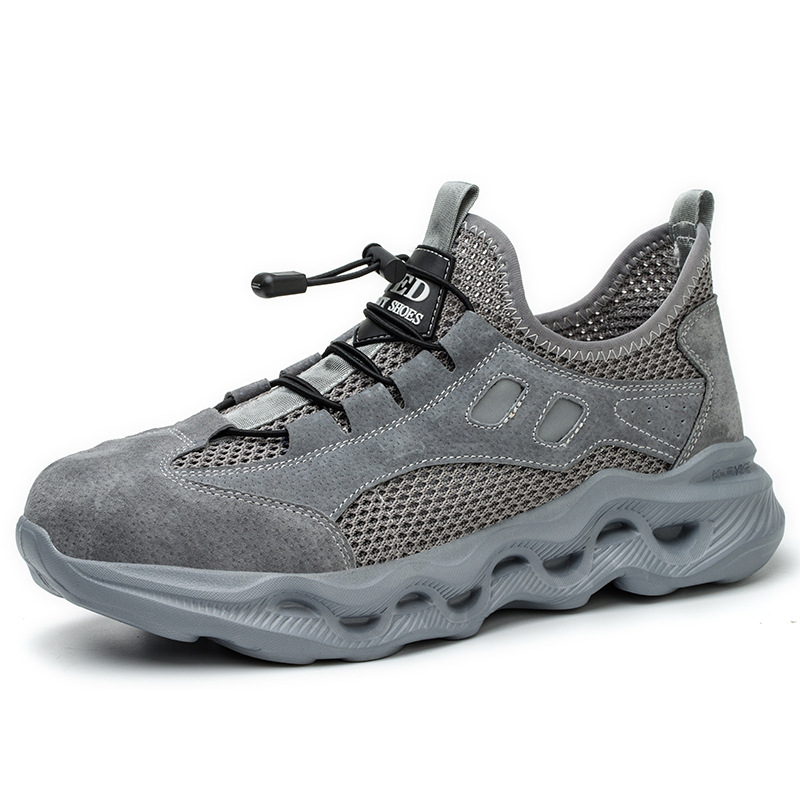
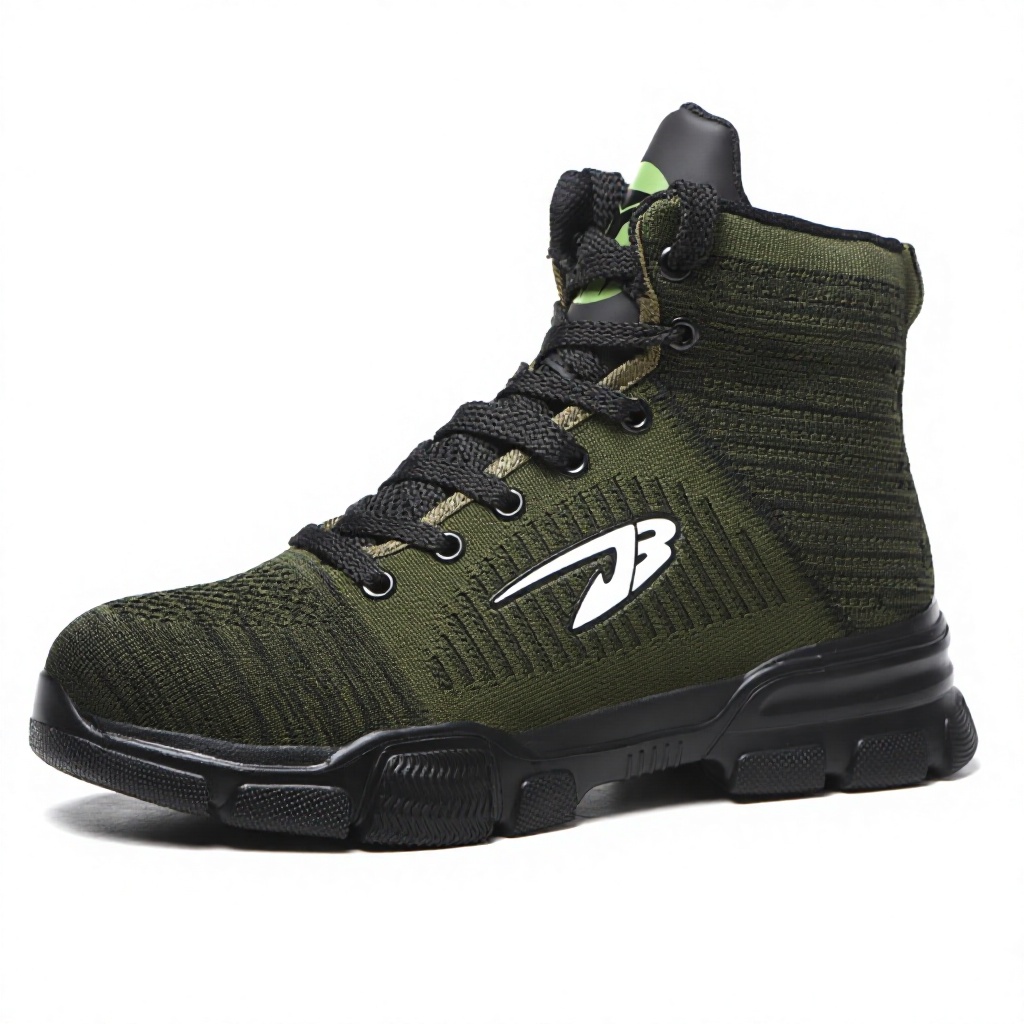
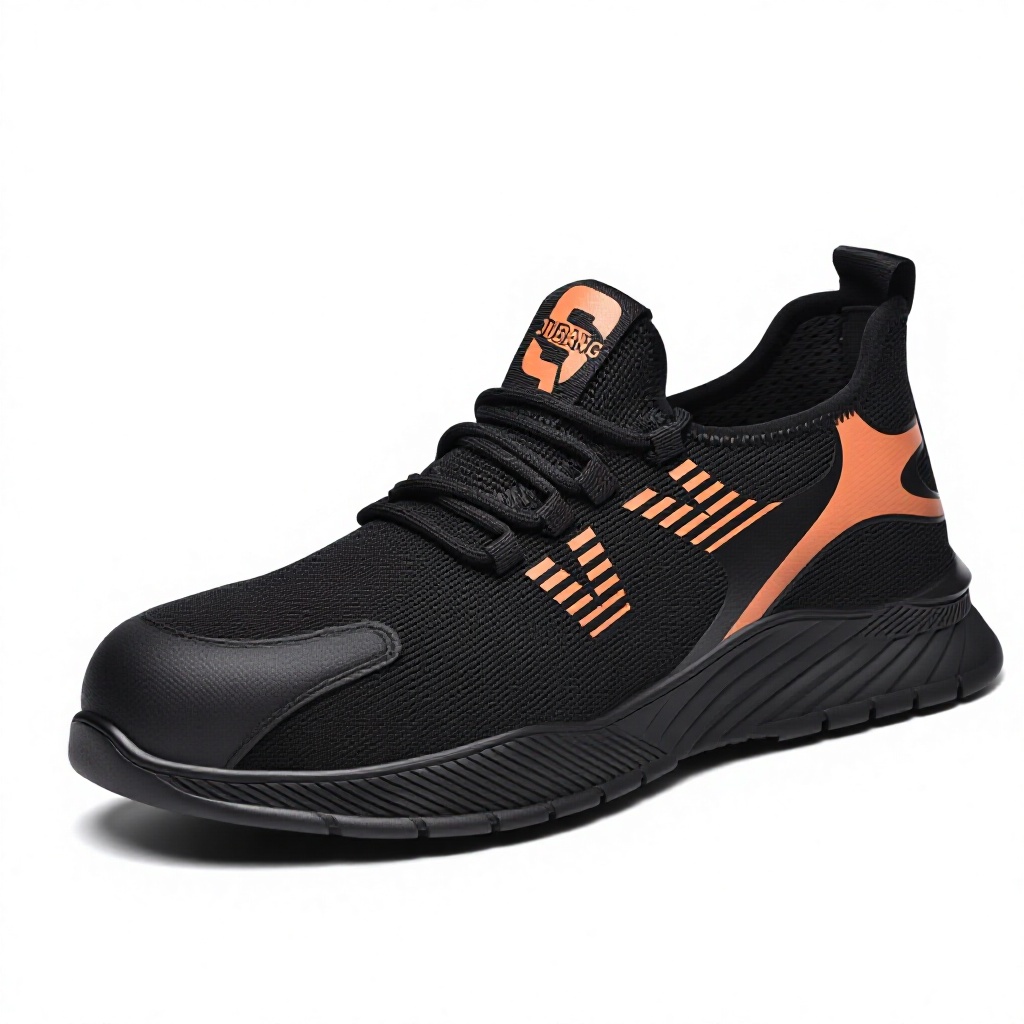
Associated Worksite PPE & Field Electrical Safety Footwear
In high-voltage BESS installations and substation construction, personnel protection is paramount. Explore our certified anti-smash, puncture-resistant, and electrical hazard safety footwear engineered for industrial field engineers.
Frequently Asked Questions on Sourcing Industrial Energy Storage
Direct technical answers from factory engineering teams covering cell balancing, thermal containment, trade terms, and customs documentation.
How should engineering teams determine between air-cooled and liquid-cooled C&I storage cabinets?
What are the key technical differences between 51.2V low-voltage home batteries and high-voltage stacks?
What compliance testing documentation is mandatory for port customs clearance and project insurance?
What international delivery terms (Incoterms) and payment structures does Virtuous support?
Can Virtuous customize firmware communication protocols and provide white-label OEM branding?
Request Detailed Datasheets, SLDs & Factory Price Schedules
Send your project parameters (operating kWh capacity, grid voltage, ambient conditions, and single-line diagrams). Our application engineering team will configure a turnkey storage solution with verified BOM and logistics schedules within 24 business hours.