Engineered Safety Footwear for Heavy Industrial Applications
Standardized batches and custom OEM/ODM solutions tested for 200J impact resistance, 1100N puncture defense, high abrasion tolerance, and slip prevention.
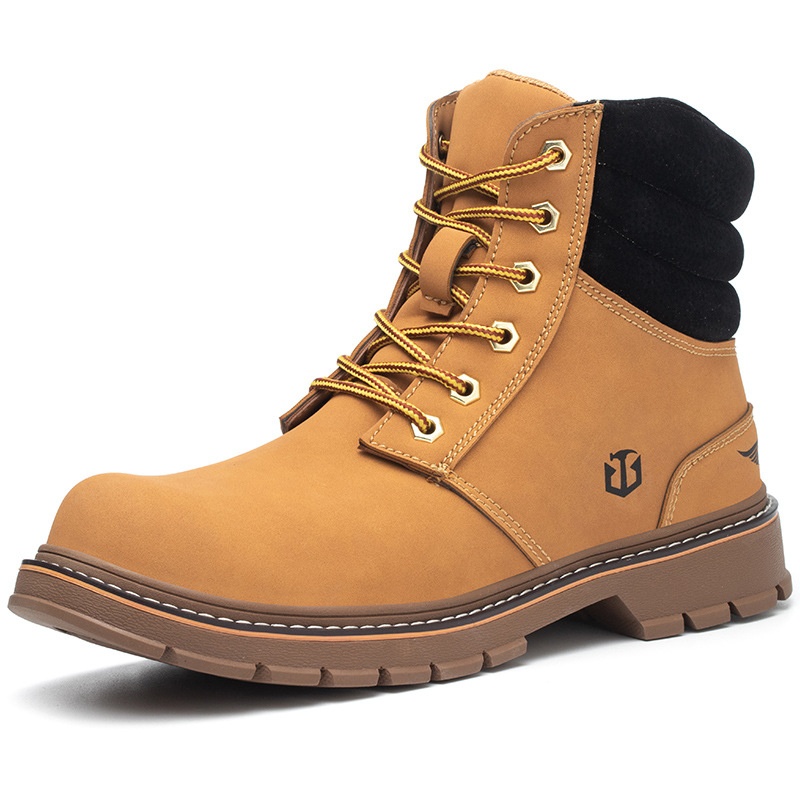
Clearance Sale Head High-top Microfiber Leather Mens Summer Shoes Non-slip Tendon Sole
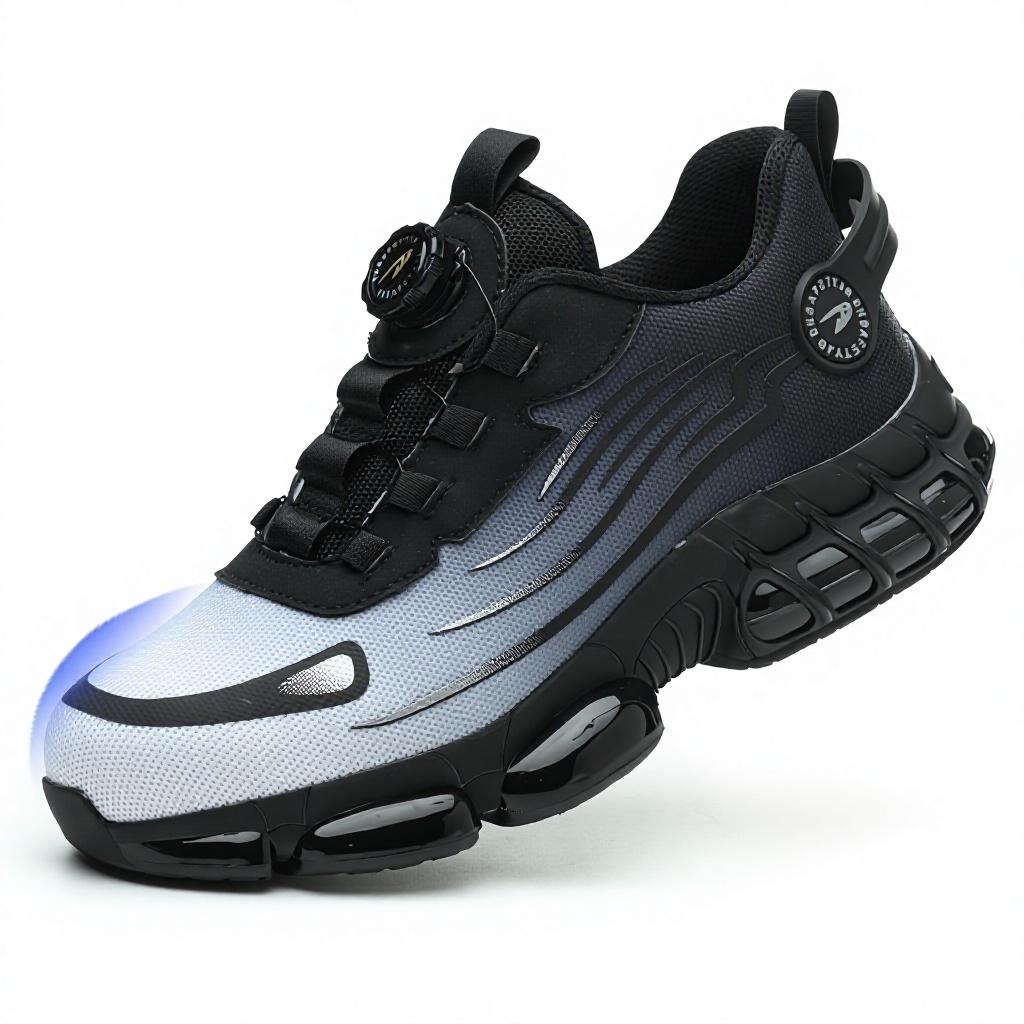
Men's Labor Protection Safety Shoes for Upper Rubber Outsole Button Closure Ladle Head Toe
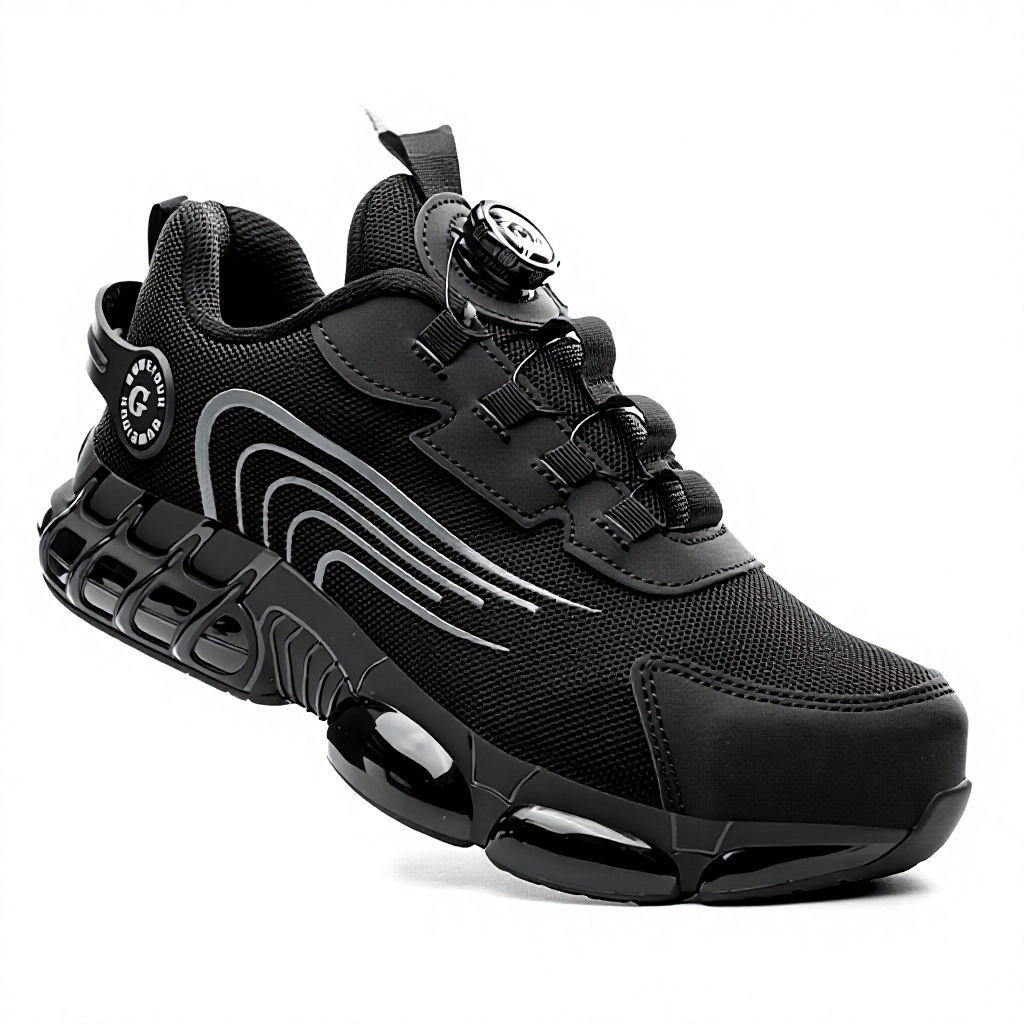
Men's Low Top Steel Toe Cap Safety Shoes with for Upper Anti-smash Anti-puncture Breathable
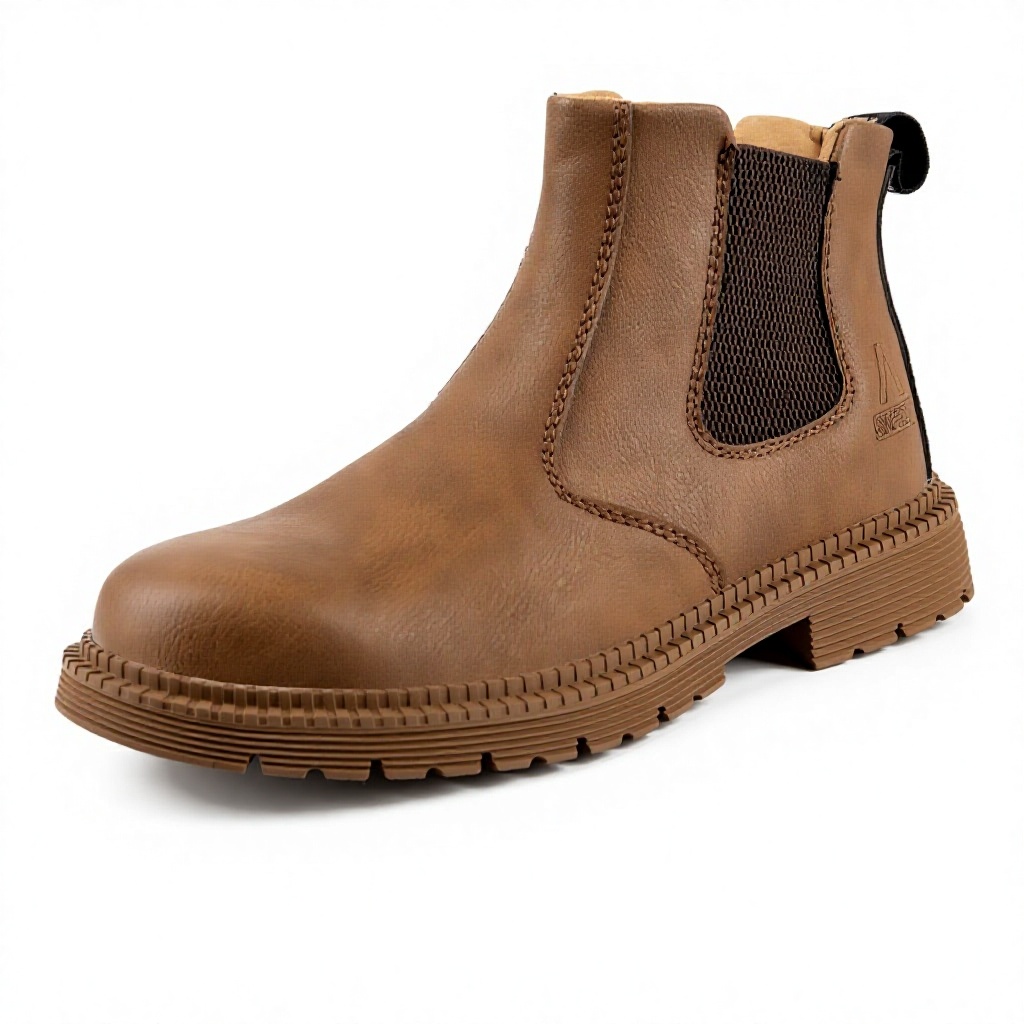
Men's Steel Toe Anti-Smashing Anti-Puncture Microfiber Leather Durable Lightweight
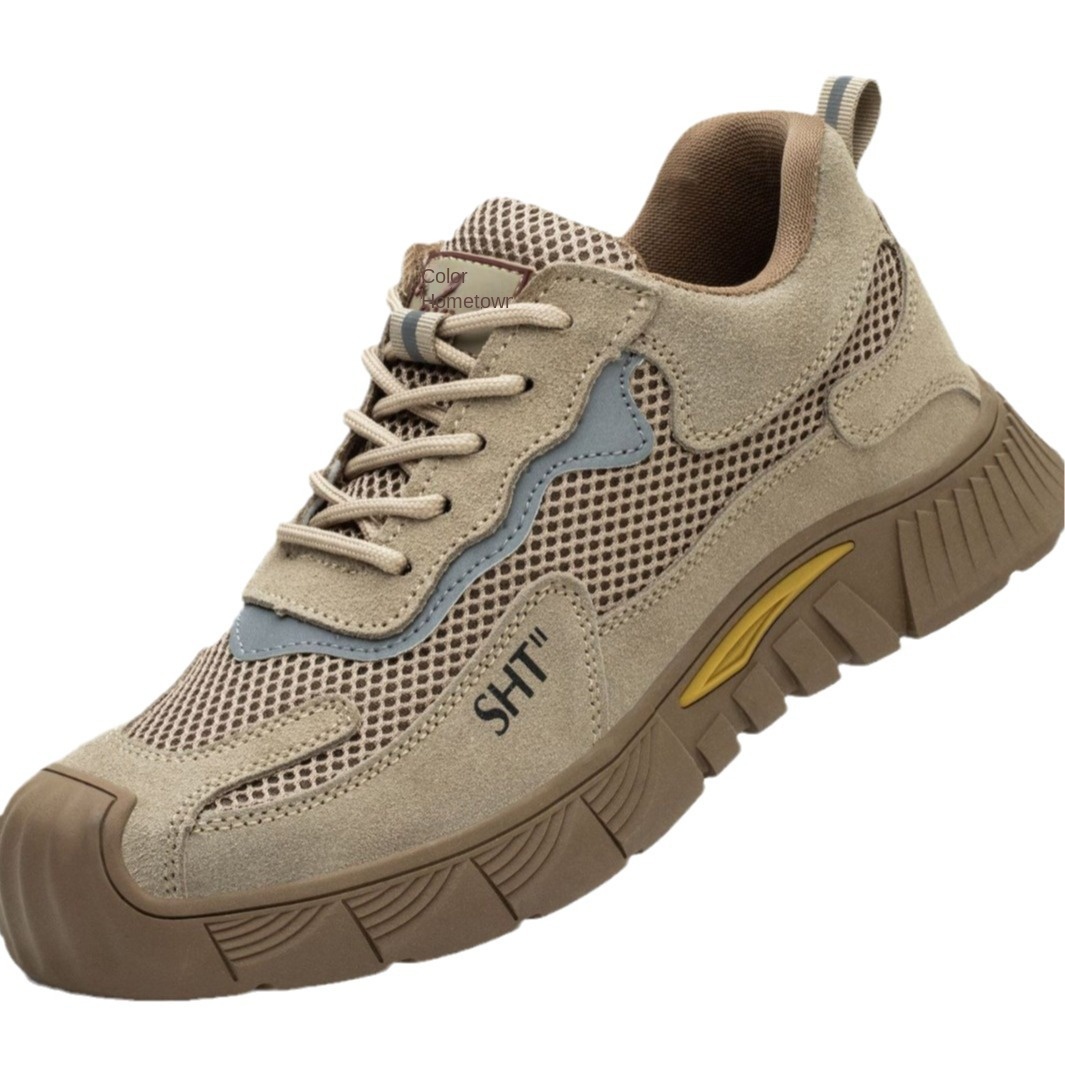
Men's Suede Leather & Canvas Safety Shoes Widened Steel Toe Rubber Outsole Construction
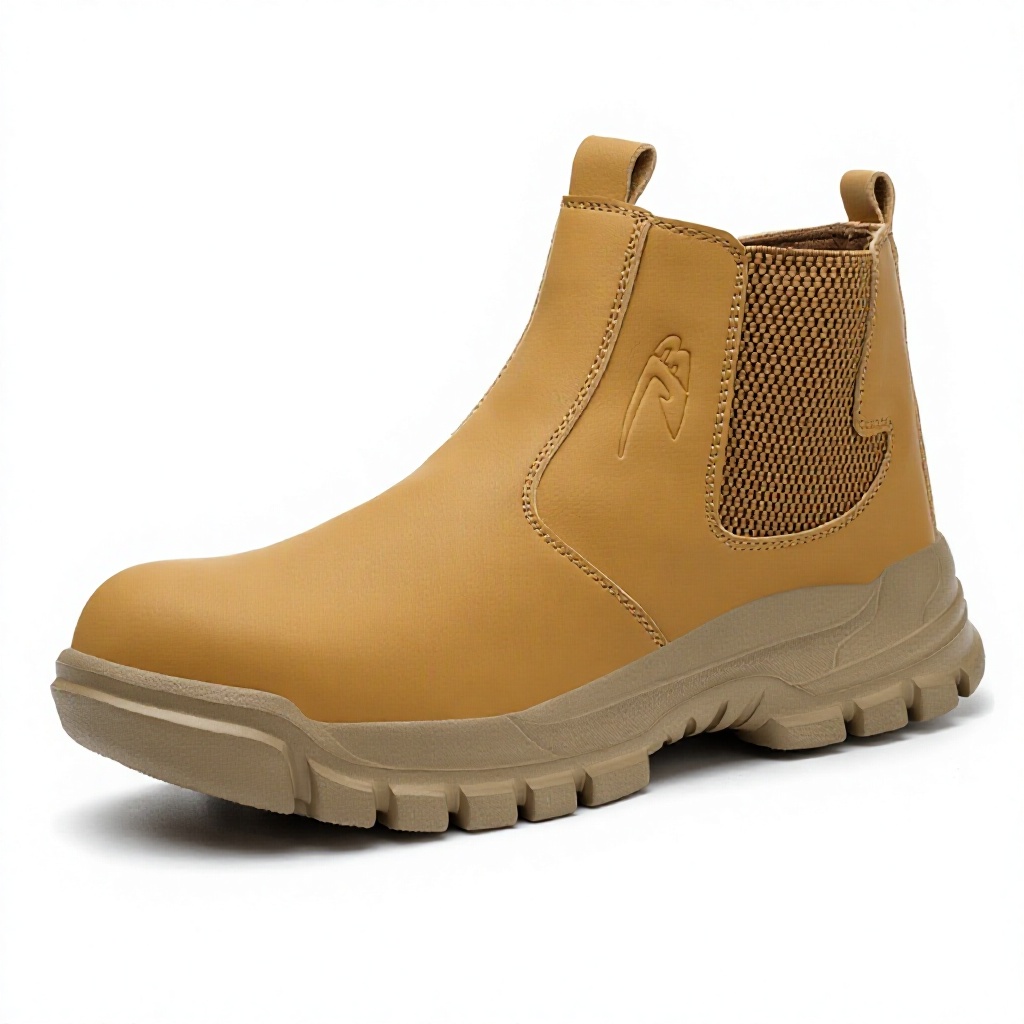
2026 New Men's High-top Microfiber Leather Steel Toe Cap Water-repellent Safety Boots
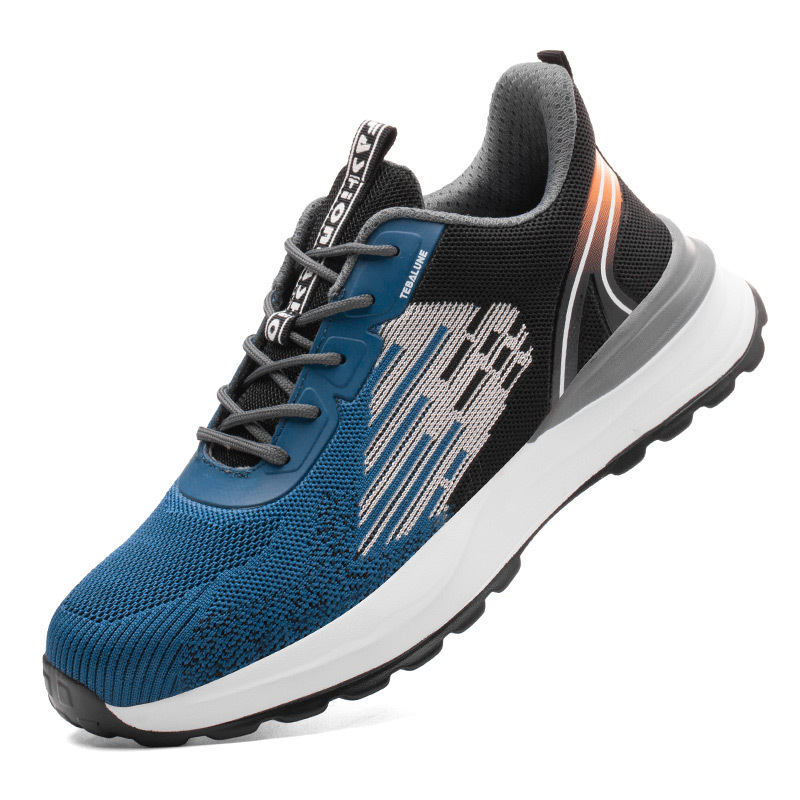
Men's Safety Shoes Steel Toe Ultra-lightweight Breathable Insulated Crush/Puncture Resistant
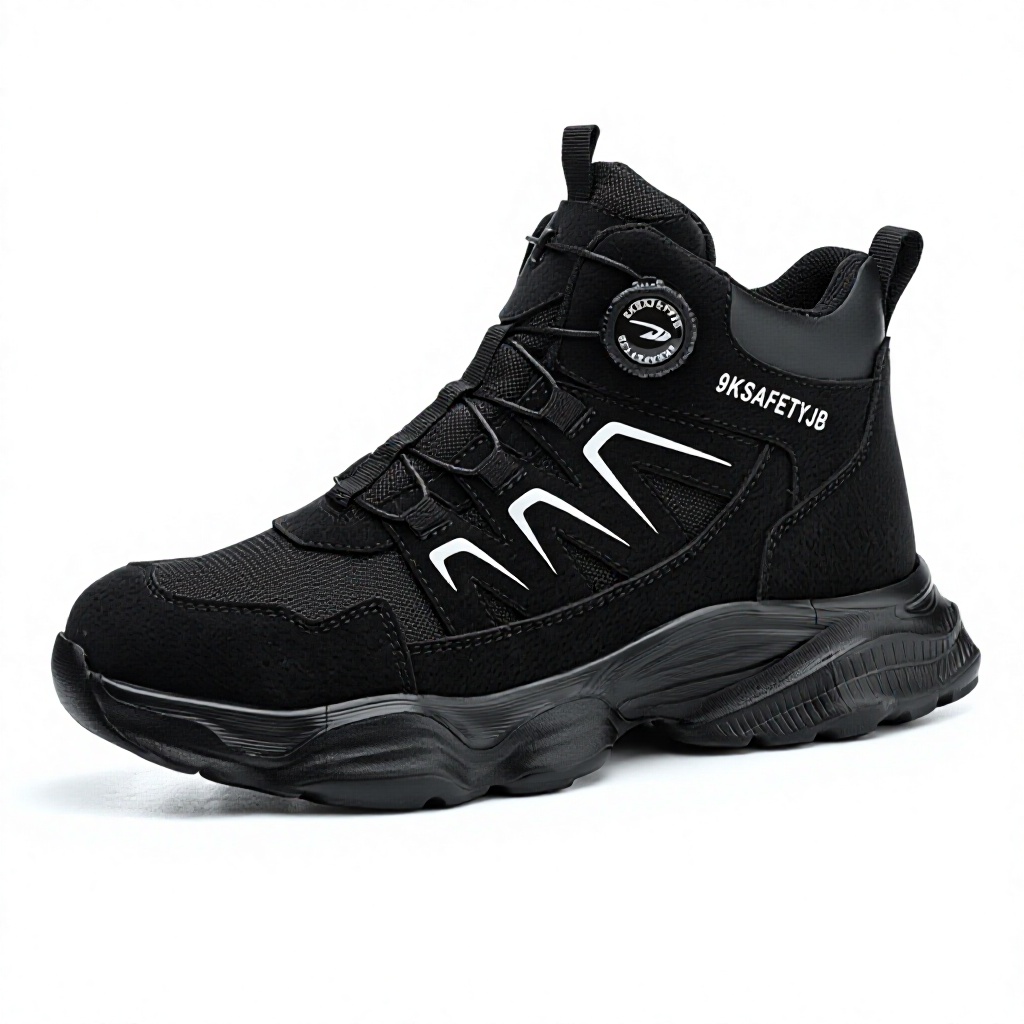
Men's High Top Steel Toe Cap Safety Shoes-Puncture-Proof Microfiber Leather Upper All Seasons
Engineering Reliability Into High-Volume Safety Shoe Export
Industrial health and site safety rely on zero-defect manufacturing. Through systematic component locking, rigorous physical batch testing, and tailored OEM tooling, our enterprise delivers end-to-end protective footwear assurance.
Locked Bill of Materials (BOM)
Unlike transient trading firms, our export production locks certified raw materials—such as EN 12568:2010 steel caps, puncture-resistant non-metallic Kevlar plates, and pure polyurethane resins—preventing material substitution across high-volume production cycles.
Comprehensive Testing & Compliance
Every shipment is supported by complete documentation: CE EN ISO 20345 (S1P, S2, S3, SRC), ASTM F2413 impact/compression standards, REACH compliance for non-toxic microfiber leathers, and verified third-party laboratory test summaries.
TÜV Onsite-Verified Facility
Our company operations, clean injection facilities, cold-cementing lines, and labor conditions have been verified by independent testing agency inspections, ensuring reliable corporate governance for multinational audit requirements.
OEM/ODM Industrial Customization
From custom outsole mold casting (PU/PU dual density, PU/Rubber, tendon gum) to rotary dial quick-lacing hardware, widened toe cap lasts, customized anti-static insoles, and brand packaging, we configure custom solutions for local regulatory frameworks.
Flexible International Trade Logistics
We accommodate institutional buyers with multiple delivery terms (FOB, CFR, CIF, EXW, FCA, DDP, DDU) across multi-currency settlement channels (USD, EUR, GBP, AUD, CAD) with direct container freight handling to major global ports.
Lifecycle Quality Assurance & Field Support
Every protective footwear production run includes sample batch retention for 24 months, mechanical flex cycle verification, continuous sole bonding peeling tests, and dedicated post-shipment technical assistance.
Future Trends in Global Protective Footwear Procurement
Critical market shifts, updated testing regimes, and advanced materials shaping high-volume safety footwear acquisition through 2026 and beyond.
1. The Transition from Heavy Cow Leather to High-Tensile Microfiber Composites
Industrial procurement data indicates a distinct transition toward engineered microfiber leathers. Modern 1.8mm–2.0mm breathable microfibers deliver superior tear resistance (>120N), extended flex longevity (>150,000 mechanical flexes without cracking), and inherent water-repellence, while cutting overall boot weight by up to 25%. For workers walking 15,000+ steps daily across logistics hubs or manufacturing plants, weight reduction significantly lowers ergonomic fatigue and workplace strain incidents.
2. Advanced Composite and Non-Metallic Protection Replacing Traditional Steel
While carbon steel toe caps remain cost-efficient workhorses for baseline protection, composite carbon fiber and fiberglass toe caps are gaining market share in petrochemical, mining, and electrical substations. When paired with high-tenacity woven Kevlar or aramid fiber puncture-resistant midsoles, these non-metallic builds eliminate thermal conductivity in sub-zero and high-heat sites, prevent magnetic interference, provide electrical hazard (EH) insulation up to 18kV, and eliminate false alarms at high-security metal detectors.
3. EN ISO 20345:2022 Implementation and Slip Resistance Rigor
Global supply chain managers must prepare for the strict harmonization of EN ISO 20345:2022. The revision updates puncture resistance classification into S (standard steel), PL (4.5mm conical nail composite protection), and PS (3.0mm small-nail high-density composite protection). Slip resistance testing has advanced beyond baseline SRA/SRB ratings to mandatory testing on ceramic tiles coated with detergent and secondary oil surfaces. B2B importers must secure verified test certificates aligned with these new harmonized markings to prevent customs delays or liability audits.
4. Ergonomics, Dial Lacing Systems, and Sport-Hybrid Aesthetics
Safety boot adoption correlates directly with worker compliance. The new generation of industrial workers demands protective footwear that blends athletic comfort with heavy-duty defense. Features such as rotary quick-lacing button closures allow rapid one-handed micro-adjustments, prevent tripping hazards caused by untied laces, and enable instant emergency release. Expanded toe boxes (widened to 2E/3E fittings) mitigate toe friction, while dual-density PU/TPU midsoles offer dynamic rebound cushioning similar to athletic sneakers.
| Specification Feature | Traditional Industrial Safety Footwear | Modern Engineered Protective Footwear (2025/2026) | Procurement Recommendation |
|---|---|---|---|
| Toe Cap Architecture | Standard Carbon Steel (approx. 90-110g per pair) | Widened Carbon Steel / Fiberglass Composite (50-65g) | Choose composite for cold storage, airports, and electrical utility work; use widened steel for cost-sensitive civil construction. |
| Puncture Resistance | Cold-rolled steel midsole plate (rigid, heat-conductive) | Zero-penetration woven Aramid / Kevlar fabric | Specify Kevlar midsoles for high flexibility, reduced weight, and whole-sole edge-to-edge coverage. |
| Upper Shell Material | Heavy embossed split cowhide (stiff, water-absorbent) | Hydrophobic microfiber leather + ballistic nylon mesh | Adopt microfiber leather for ease of cleaning, chemical-splash resistance, and sustained flex life. |
| Closure Mechanism | Standard braided cotton/poly laces (snag hazard) | Industrial steel-core rotary tension dials or zip-access | Deploy rotary dials in automation hubs and precision engineering where loose laces pose snagging hazards. |
| Outsole Engineering | Single-density vulcanized rubber (heavy, low shock absorption) | Dual-density PU/Rubber or PU/TPU with self-cleaning lugs | Select PU/Rubber outsoles for environments with hot contact surfaces (>300°C) and corrosive chemical fluids. |
Frequently Asked Questions on Protective Footwear Imports
Practical commercial, regulatory, and engineering guidance to help enterprise procurement teams navigate international protective footwear sourcing.
How do we verify impact compliance for EN ISO 20345 vs. ASTM F2413?
Both frameworks evaluate toe impact resistance via drop hammers delivering 200 Joules (EN ISO 20345) or 101.7 Joules (75 ft-lbs under ASTM F2413 I/75). During factory audits, review laboratory certificates showing clearance tests underneath the cap after impact (typically ≥14mm for size 8). Always request the raw testing laboratory reports alongside manufacturer declarations.
What is the lifespan of PU outsoles and how is hydrolysis mitigated?
Polyurethane outsoles offer lightweight cushioning, but conventional ester-based PU can break down through hydrolysis in warm, humid storage. Our production uses ether-based polyurethane or blended PU/Rubber formulations with hydrolytic stabilizers, ensuring unopened inventory retains full structural integrity for 24–36 months under standard warehouse storage.
What are the standard Minimum Order Quantities (MOQs) for custom OEM orders?
For stock models with client logo stamping on the tongue, insole, and carton, our baseline MOQ starts at 500 pairs per design. For complete custom tooling—including proprietary outsole molds, custom colorways, or specialized composite cap lasts—MOQs typically begin at 1,000–1,500 pairs, distributed across full size runs (EU 36–48 / US 4–14).
How are slip ratings evaluated under the updated SRC and SR standards?
Traditional SRC ratings verified slip performance on ceramic tiles coated with sodium lauryl sulfate (SRA) and steel floors with glycerol (SRB). Under the updated EN ISO 20345:2022 standards, the "SR" marking requires passing ceramic tile testing with a standardized glycerine solution, accurately replicating greasy, oily workshop floors and food-processing environments.
What container loading quantities can we expect for 20ft and 40ft HQ containers?
A standard 20ft general container accommodates approximately 3,000 to 3,500 pairs in individual color shoeboxes, or up to 4,500 pairs if bulk-packed in polybags. A 40ft HQ container accommodates approximately 7,500 to 8,500 boxed pairs. We supply detailed CBM breakdowns and weight manifests before booking vessel space.
What international payment and delivery terms are available?
We support standard global trade options including FOB, CIF, CFR, EXW, FCA, and fully managed DDP delivery directly to domestic distribution centers. Accepted payment mechanisms include confirmed Irrevocable Letters of Credit (L/C at sight), wire transfers (T/T with standard commercial production deposits), and major international currencies (USD, EUR, GBP, AUD, CAD).
Request Custom Quotations & Technical Product Data Sheets
Connect with our footwear manufacturing engineers for bulk institutional pricing, OEM tooling quotes, compliance test records, and comprehensive export logistics documentation.
Get a Quote