High-Performance Puncture-Proof Footwear Portfolio
Manufactured under strict batch-testing procedures surpassing ASTM F2413-18 and EN ISO 20345:2022 mechanical penetration standards (>1,100 Newtons). Built for demanding field operating environments.
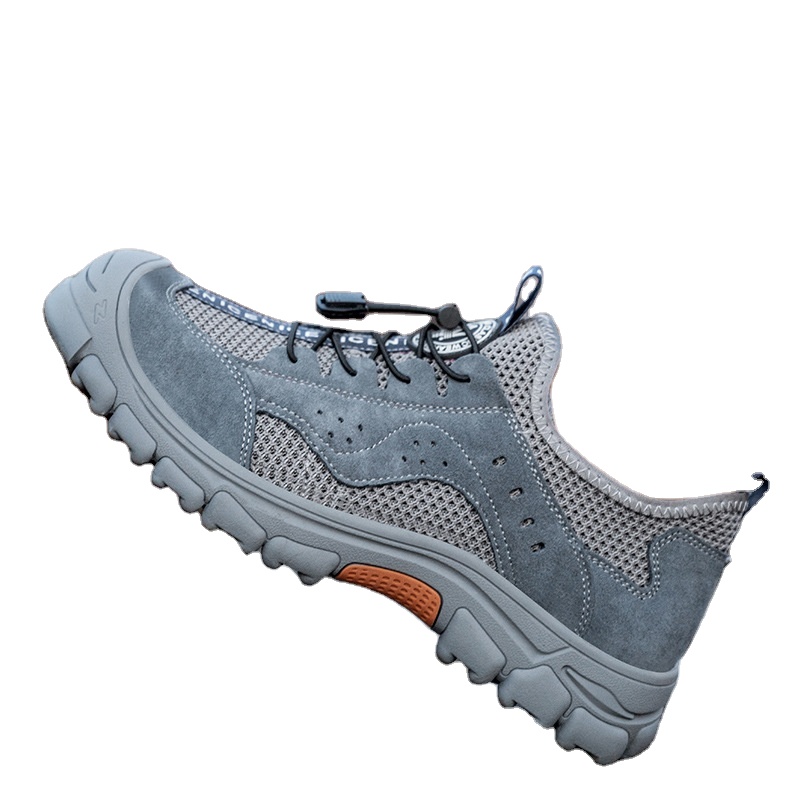
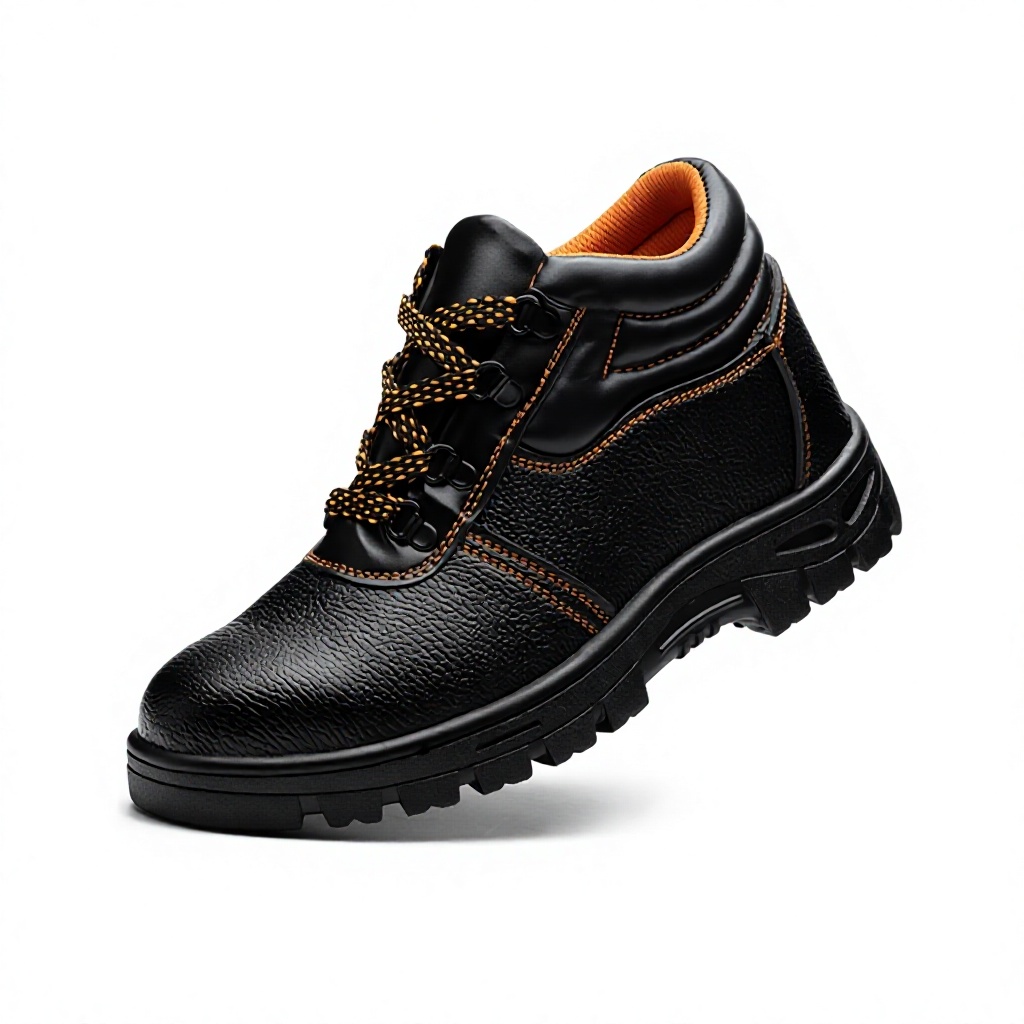
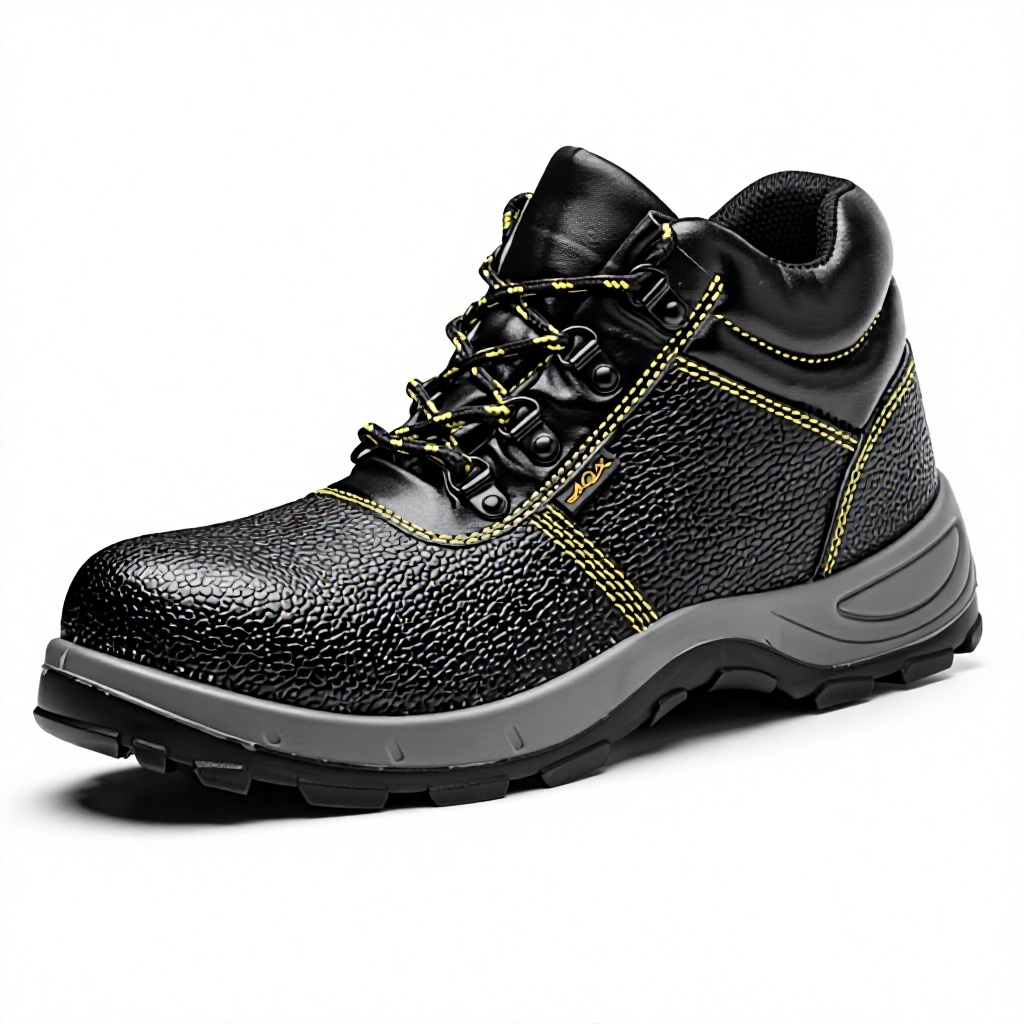
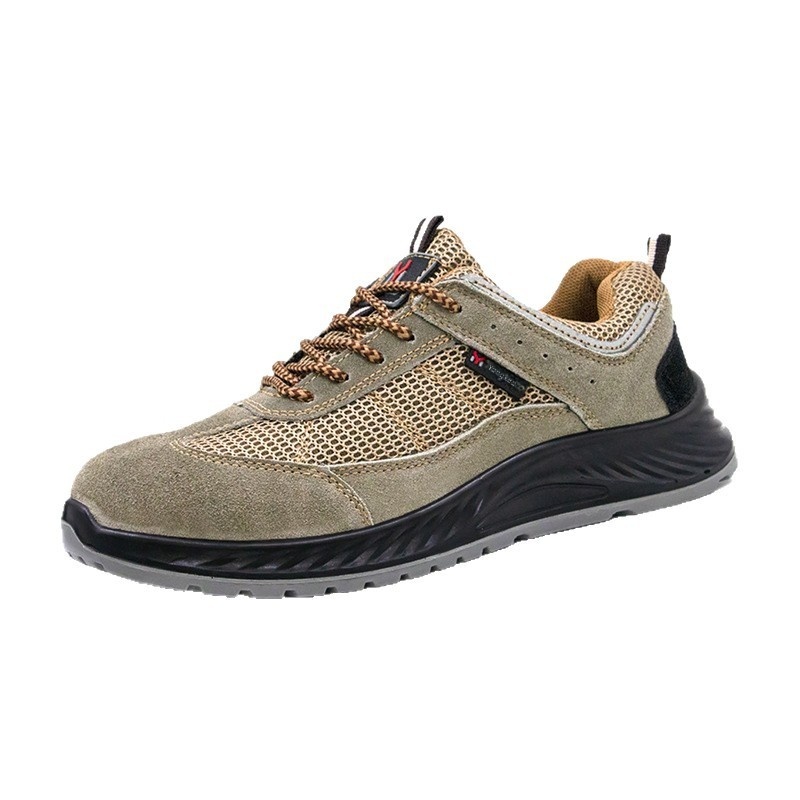
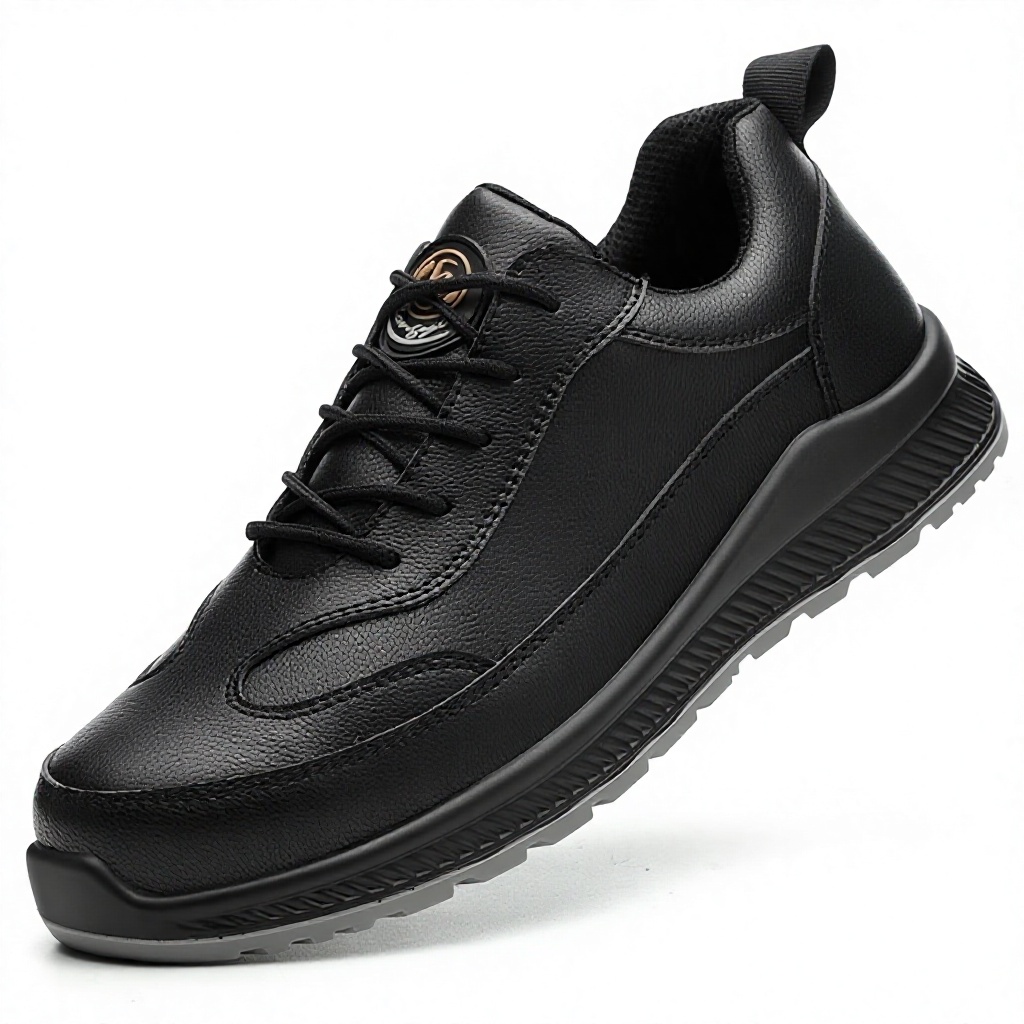
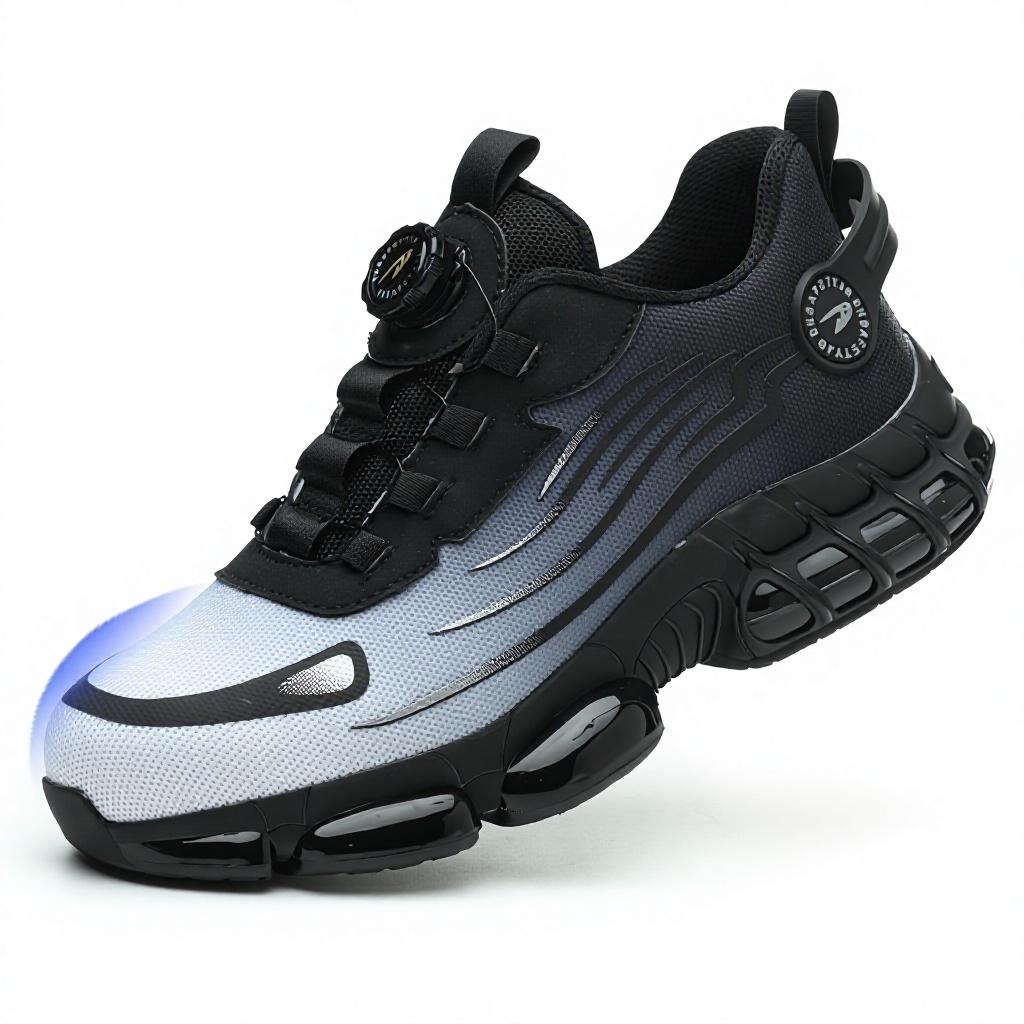
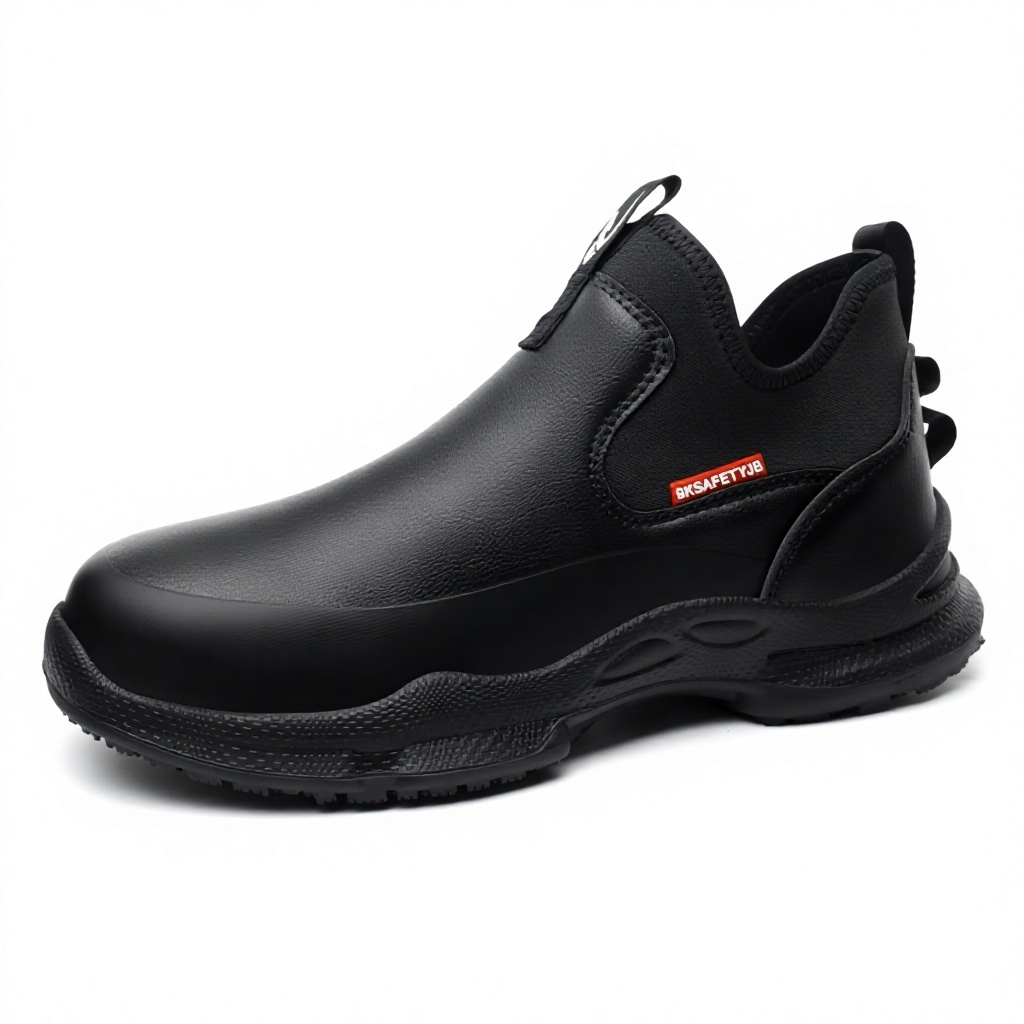
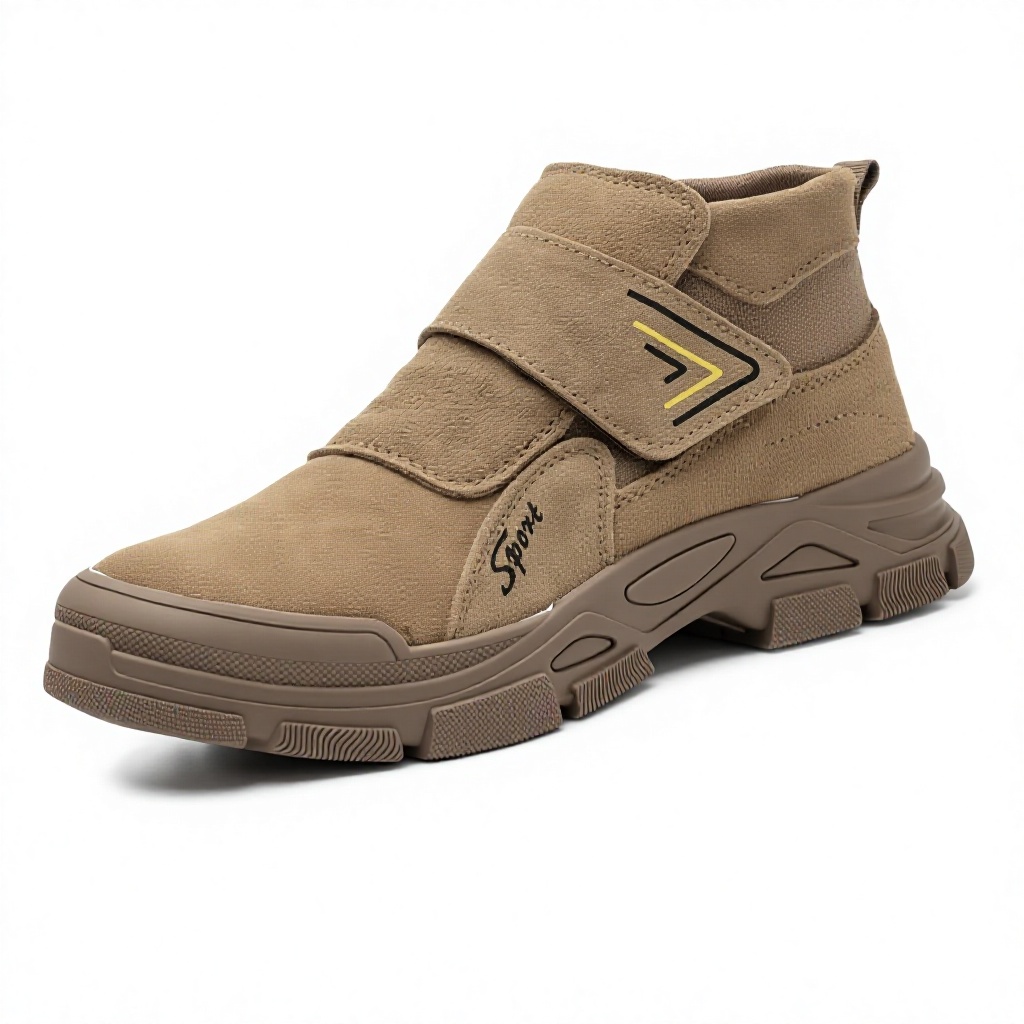
Why International Tier-1 Distributors Partner with Our Factory
From automated DESMA direct PU/Rubber injection tooling to calibrated metallographic labs, we provide contract buyers and commercial brands with an uncompromised quality assurance baseline.
Dual-Core Anti-Perforation Technology
We engineer puncture resistance through both cold-rolled austenitic stainless steel midsoles (resistant to 4.5mm conical nail thrusts) and multi-ply zero-perforation aramid fiber composites (Kevlar/UHMWPE woven matrix) providing 100% plantar surface coverage according to EN ISO 20345:2022 PS and PL test methods.
- Austenitic 304/420 Spring Steel Inserts
- Non-Metallic Ballistic Fiber Sheets
- > 1,000,000 Flex Cycles Without Crack
Automated Soling & Welt Integration
Our workshop integrates both robotic German DESMA dual-density polyurethane (PU/PU and PU/Rubber) injection casting lines and traditional 360-degree Goodyear welt construction. This guarantees bond adhesion exceeding 4.0 N/mm, eliminating delamination failures in hot asphalt, bitumen, and caustic chemical environments.
- Direct Injection No-Delamination Bond
- Heavy Duty Goodyear Welted Tooling
- Oil & Fuel Hydrolysis Resistance (FO)
Rigid Quality Control & Traceability
Every single batch undergoes verified in-house test cell protocols before export packaging: 200J toecap drop impact, 15kN compressive crush tests, 1100N puncture resistance with 4.5mm and 3.0mm needles, and ASTM F2412-18 electrical hazard testing. Full lot numbers are laser-etched onto inner shoe labels for complete traceability.
- In-House Dynamic Mechanical Testing Lab
- Laser-Marked Barcoding & QR Tracking
- CE, UKCA, ASTM, CSA Certified Lines
Technical Matrix: Stainless Steel Midsole vs. Ballistic Textile (Aramid/Kevlar)
A data-backed engineering breakdown to assist industrial procurement managers and OEM brand developers in selecting the optimal puncture-resistant barrier for workplace hazard profiles.
| Evaluation Parameter | Cold-Rolled Austenitic Steel Plate | Non-Metallic Ballistic Composite (Aramid) | Regulatory Standard Compliance |
|---|---|---|---|
| Penetration Resistance Threshold | ≥ 1,100 N (up to 1,450 N tested force) | ≥ 1,100 N (Zero-perforation weave) | EN ISO 20345:2022 / ASTM F2413-18 |
| Point Diameter Sensitivity | Resistant against sharp small nails (<3.0mm) & thin needles | Requires ultra-dense multiaxial weave for <3.0mm carpenter nails | EN ISO 22568-3 (Steel) vs. 22568-4 (Textile) |
| Plantar Surface Coverage | Approx. 85% – 90% (Rigid boundaries require perimeter gap) | 100% Edge-to-Edge (Stitched directly into Strobel lasting) | EN ISO 20345:2022 PS & PL requirements |
| Weight & Ergonomic Flexibility | Heavier (~95-120g/sole); moderate longitudinal flex | 40% Lighter (~50-65g/sole); exceptional biomimetic flex | EN 12568 dynamic flex crack resistance |
| Thermal Conductivity & Comfort | High thermal transfer; conducts environmental cold/heat | Thermal Insulating; neutral in freezing/hot subsurfaces | EN ISO 20345 HI (Heat) / CI (Cold) |
| Electrical & Magnetic Properties | Conductive; triggers metal detectors; not suited for EH 18kV | 100% Non-Magnetic & Dielectric; Ideal for Linemen & Airport | ASTM F2413-18 EH (Electrical Hazard) |
| Recommended End-Use Sectors | Demolition, scrapyards, concrete recycling, heavy framing | Electronics cleanrooms, airport security, oil rigs, logistics | S1P, S3, S3L, S3S classification categories |
Procurement & Market Dynamics Shaping Global Safety Footwear
Procurement teams are shifting focus from mere unit price toward total lifecycle cost, carbon emissions, regulatory stringency, and ergonomics that reduce worker fatigue compensation claims.
1. Transition to EN ISO 20345:2022
The updated European norm distinguishes between steel plates (Type P), composite midsoles tested with 4.5mm nails (Type PL), and composite tested with 3.0mm conical nails (Type PS). Global importers are updating technical dossiers to maintain customs import clearance.
2. Rapid Growth of Metal-Free PPE
Distribution centers, high-security facilities, aerospace plants, and rail terminals demand 100% non-metallic safety shoes. Composite ladle-head toecaps combined with ballistic textile midsoles eliminate detector nuisance alarms while providing complete dielectric protection.
3. Eco-Design & GRS Materials
Major corporate ESG mandates require Global Recycled Standard (GRS) certified microfiber uppers, recycled PET linings, and bio-based polyurethane outsoles derived from castor oil, allowing brand holders to win government and corporate green supply chain tenders.
4. Fast-Lacing & Ergonomic Soles
Traditional lace-up systems are rapidly ceding market share to micro-adjustable rotary dial closure mechanisms (rotary knob wire systems). Coupled with rebound E-TPU/popcorn midsoles, these innovations significantly reduce musculoskeletal fatigue during 12-hour shifts.
Emerging Technology Trends in Puncture-Resistant Work Footwear
Continuous material science breakthroughs are transforming heavy, rigid safety boots into athletic, agile, and multi-hazard protective systems without sacrificing defensive armor values.
Ultra-Dense Graphene-Enhanced Plates
Incorporating monolayer graphene nanoplatelets into polyurethane matrix composites yields anti-puncture barriers that are 25% thinner than conventional aramid weaves while achieving zero needle deflection against ultra-sharp hypodermic and industrial staples.
- Ultra-Low Profile Soling Package
- Exceptional Heat Dissipation
Dual-Durometer Energy Recovery Outsoles
Combining an ultra-abrasion rubber lug exterior (Shore A 68) with an expanded thermoplastic polyurethane (E-TPU) dynamic rebound core delivers >55% energy return per step while cushioning the foot against puncture plate rigidity, preserving knee and spinal ergonomics.
- Certified Anti-Fatigue Ergonomics
- High-Traction Slip Level SR / SRC
Smart IoT Footwear & Soling Telemetry
Next-generation underground mining boots integrate passive RFID inspection chips and embedded pressure-mapping micro-sensors into the heel shank, tracking daily sole wear, impact incidents, and alerting safety directors when boot replacement limits are reached.
- Fleet PPE Maintenance Automation
- Passive RFID Inventory Scanning
Frequently Asked Questions for Safety Footwear Importers & EPCs
Critical commercial, regulatory, testing, and customization inquiries addressed directly by our senior manufacturing and compliance engineering team.
Both EN ISO 20345:2022 and ASTM F2413-18 mandate a puncture resistance threshold of not less than 1,100 Newtons (270 pounds-force) when a test nail is driven perpendicular into the sole assembly at a controlled penetration rate of 10 mm/min. Our factory operates with an internal safety buffer of ≥1,250 N across production runs.
Under the previous 2011 standard, steel and composite midsoles were both tagged with "P". The 2022 revision categorizes metallic steel midsoles as "P", non-metallic composite tested with a standard 4.5mm nail as "PL", and non-metallic composite tested with a 3.0mm small nail as "PS". S3 safety boots are now categorized into S3 (metallic), S3L (composite 4.5mm), and S3S (composite 3.0mm).
For our existing tooling designs with private brand logo stamping and custom box packaging, our baseline MOQ is 500 pairs per colorway across a standard size run (EU 36-48 / US 4-14). For completely customized upper dies or dedicated sole mold development, MOQ is 1,200 to 2,000 pairs. Regular container re-orders are manufactured in 30 to 45 business days.
Yes. We specialize in producing ASTM F2413-18 Electrical Hazard (EH) compliant footwear capable of withstanding 18,000 Volts AC at 60 Hz for 1 minute with leakage current not exceeding 1.0 mA under dry conditions. These styles feature composite plastic-steel or carbon-fiber toecaps, non-metallic ballistic textile puncture plates, and specialized non-conductive virgin PU or nitrile rubber soles.
Every export shipment is supplied with complete Notified Body (Intertek, SATRA, or TÜV) Type Examination Certificates (CE/UKCA), ASTM F2413 test certificates, Declaration of Conformity (DoC), Bill of Lading, Commercial Invoice, Packing List, Certificate of Origin (CO/Form E/EUR.1), and our comprehensive factory batch tensile, impact, and puncture lab test reports.
We support FOB (Ningbo/Shanghai/Qingdao), CIF, CFR, FCA, EXW, and DDP/DDU delivery to destination distribution hubs. Standard commercial terms for established distributors include 30% T/T deposit with balance payable upon Bill of Lading copy, or 100% Irrevocable Documentary Letter of Credit (L/C at sight) issued by top-tier commercial banks.
Deploy Certified Puncture-Resistant Footwear with our Engineering Team
Consult with our lead safety footwear engineers for OEM/ODM private label programs, custom sole tooling quotes, and complete laboratory test certificates for your regional target markets.