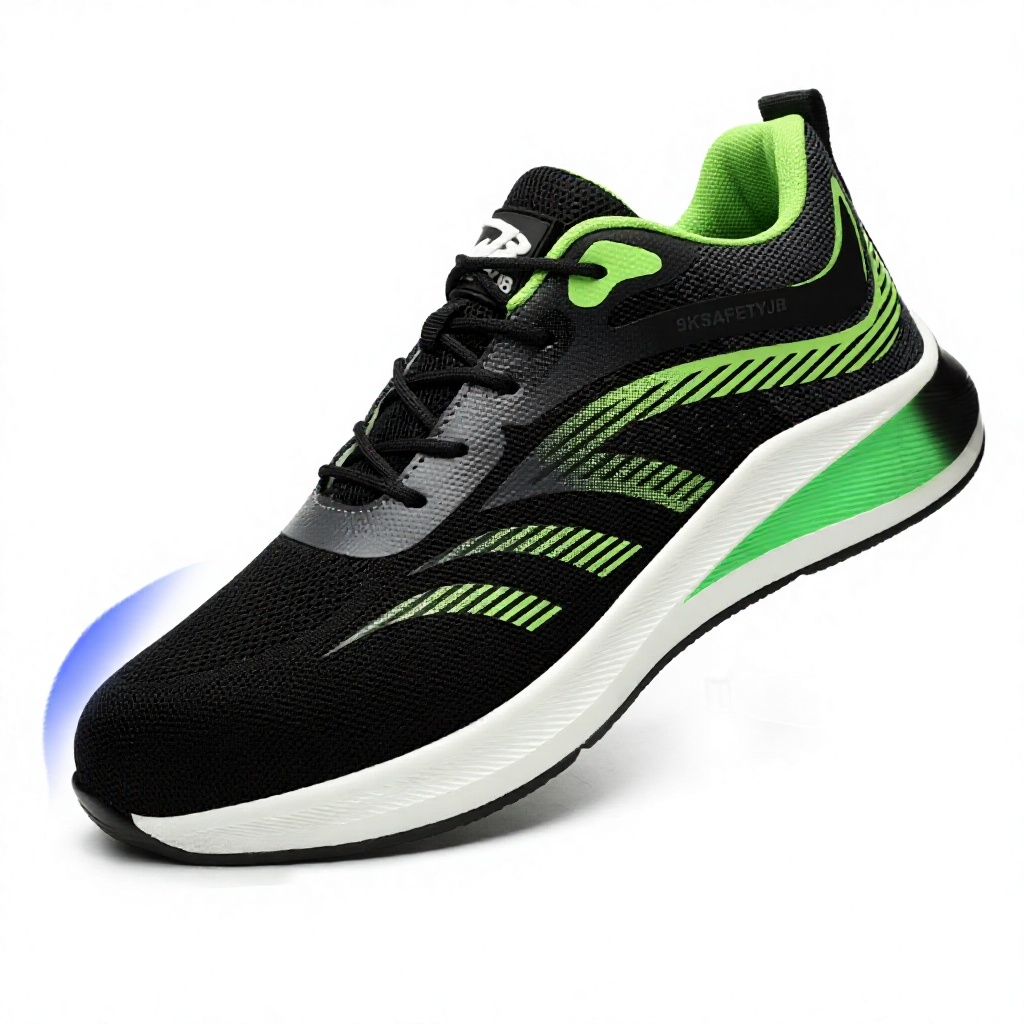
OEM Standard Unit
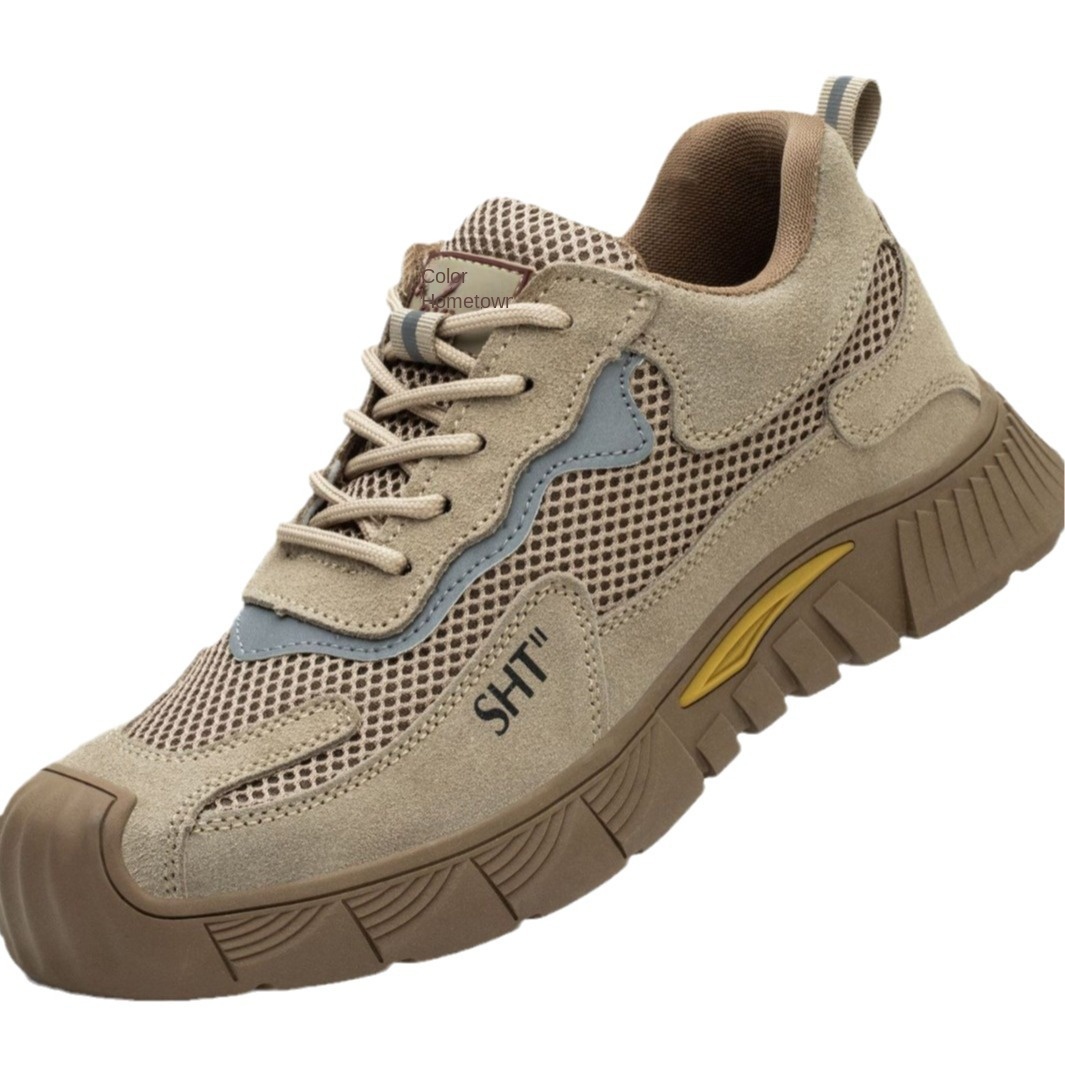
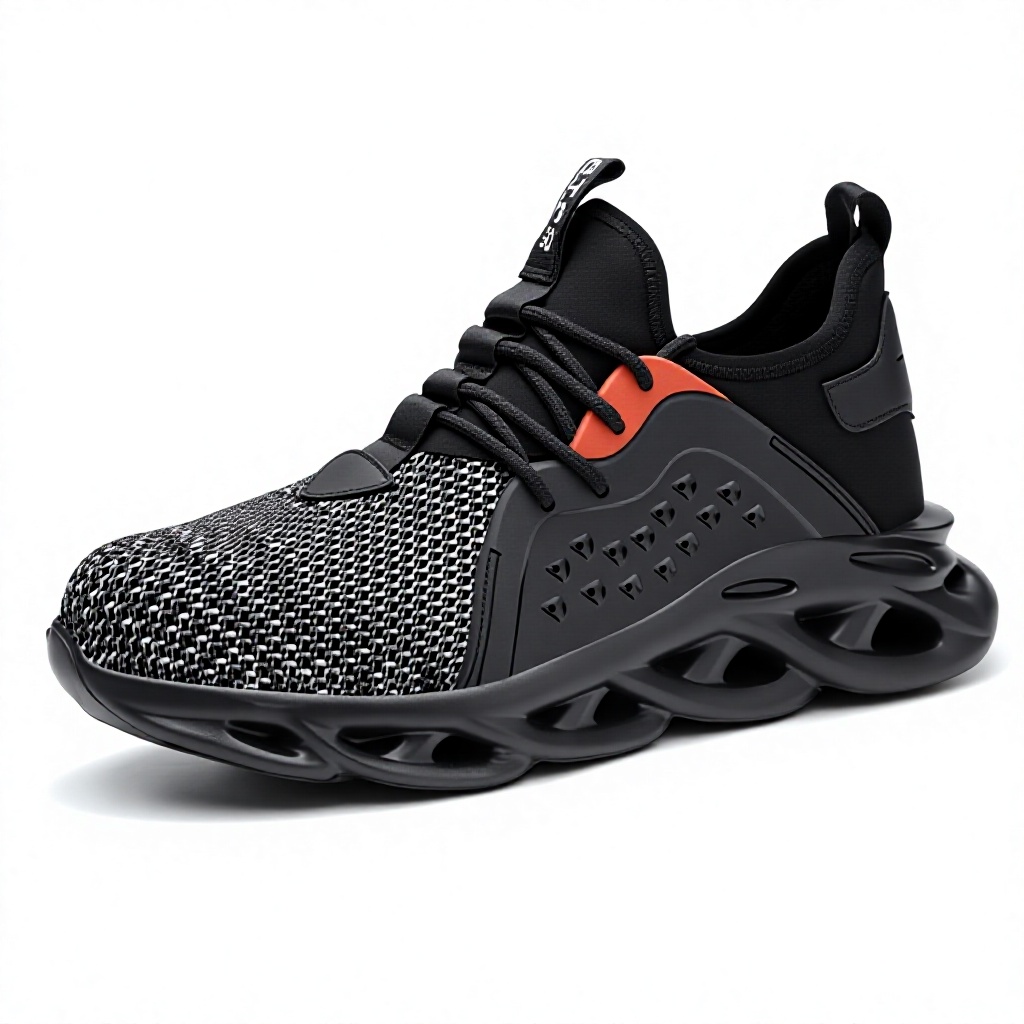
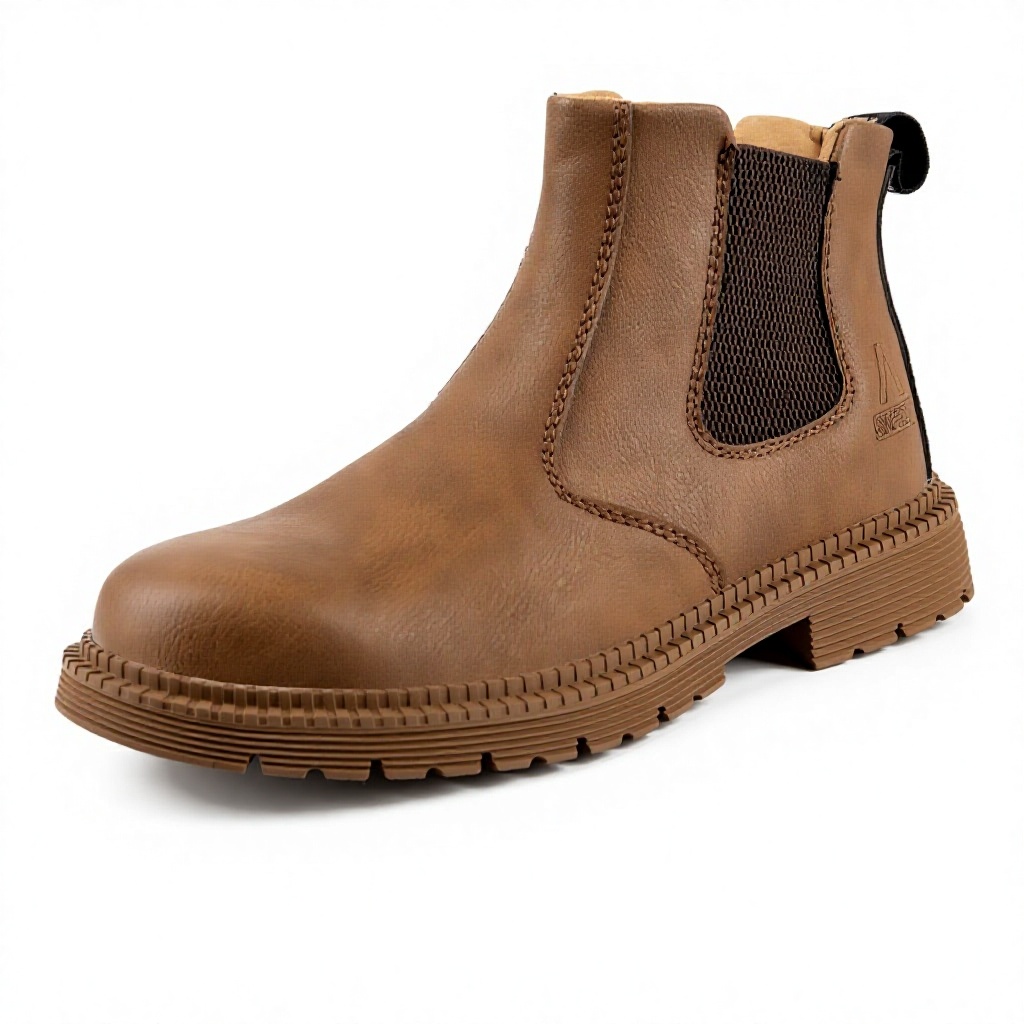
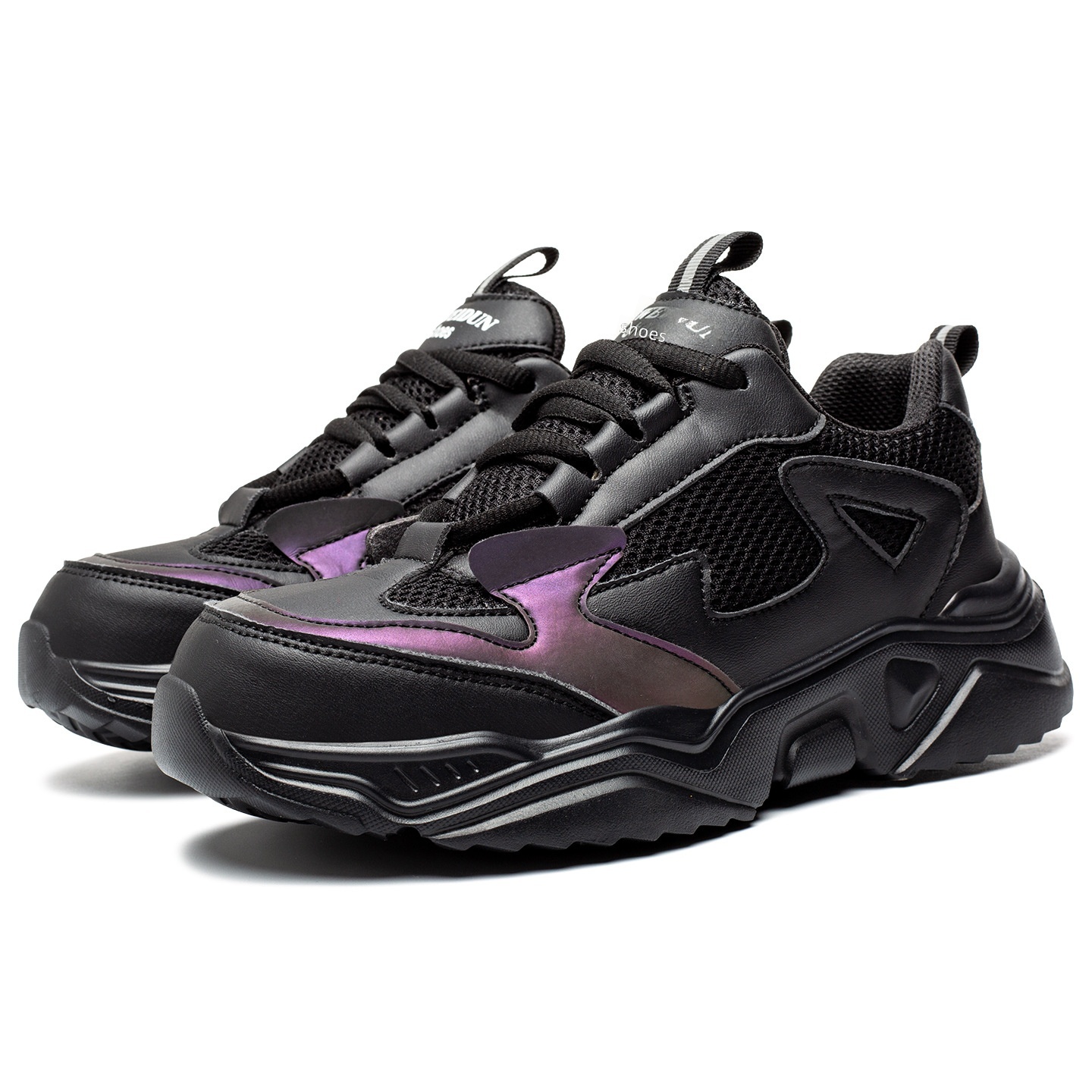
Unisex Labor Protection Safety Shoes Steel Toe Cap Breathable for Upper PU Sole Summer Work Construction Shoes
Designed and customized for harsh ambient operating profiles. Explore our scalable tier-1 cell configurations, integrated high-precision Battery Management Systems (BMS), and outdoor ruggedized enclosures.
Operating energy storage systems across metropolitan Phoenix, Tempe, Mesa, and Chandler demands a specialized engineering paradigm. During central Arizona summers, exterior metal cabinet enclosures frequently reach solar-radiation skin temperatures exceeding 65°C (149°F), while ambient ambient heat stays pegged above 46°C (115°F) for consecutive weeks. Standard lithium nickel manganese cobalt (NMC) chemistries risk accelerated solid-electrolyte interphase (SEI) layer decomposition and dangerous runaway under such continuous thermal stress.
Lithium Iron Phosphate (LiFePO4) chemistry possesses strong covalent P-O bonding in its polyanion crystal lattice. This ensures the cathode material does not release oxygen until reaching threshold temperatures beyond 270°C (518°F), far exceeding the critical 150°C inflection point of high-nickel chemistries, completely eliminating sudden combustion risks under Sonoran Desert heat.
Air-cooled ESS architectures experience severe localized thermal gradient drift across cell strings in high-density installations. Our OEM solutions integrate liquid-cooling cold plates running high-efficiency propylene glycol loops, maintaining internal pack-level temperature variances below ±2°C across all modules, tripling standard cell calendar life in Phoenix facilities.
Custom OEM software stacks integrate CAN2.0B and Modbus RS485 communication protocols with automated high-rate shunt current monitoring, active cell balancing, and continuous insulation resistance analysis. Our systems report cycle state-of-health (SoH) diagnostics in real time directly to enterprise cloud EMS nodes.
| Performance Vector | OEM Custom LiFePO4 (Phoenix Spec) | Standard Commercial NMC | Traditional Lead-Acid / Gel VRLA |
|---|---|---|---|
| Cycle Life (80% DOD @ 35°C) | 6,000 to 8,000 Full Cycles | 1,800 to 2,500 Cycles | 400 to 600 Cycles (Extreme Derating) |
| Thermal Stability Horizon | Stable up to 270°C (Non-Oxygen Exothermic) | Thermal decomposition begins @ ~150°C | Sulfation and gassing starting @ 40°C |
| Levelized Cost of Storage (LCOS) | $0.06 - $0.09 / kWh over lifecycle | $0.14 - $0.19 / kWh | $0.35+ / kWh (Frequent Replacements) |
| Cooling Overhead In Arizona | Minimal auxiliary parasitic load (Liquid Cooling) | Intense, non-stop HVAC compression demand | Extensive climate-controlled rooms mandatory |
| Direct Environmental Toxicity | Zero Cobalt, Zero Heavy Toxic Solvents (RoHS Compliant) | Contains Class 9 Hazmat Cobalt & Nickel salts | Hazardous Lead Plates & Corrosive Acid |
The electric power landscape governed by Arizona Public Service (APS) and the Salt River Project (SRP) has undergone sweeping transformations. Peak power pricing windows, dynamic on-peak demand ratchets, and solar export riders make dedicated custom battery hardware an indispensable asset for Phoenix commercial properties and high-load microgrids.
Peak utility rates in the Greater Phoenix metro spike aggressively between 4:00 PM and 9:00 PM. Customized commercial BESS units automate ultra-fast discharge response during peak billing windows, dampening 15-minute facility peak kW spikes and generating significant returns on investment via electric demand cost avoidance.
With Phoenix, Goodyear, and Mesa ranking among North America's top hyperscale data hub corridors, uninterrupted 48V to 800V DC bus backup power is essential. Our OEM high-voltage LiFePO4 racks replace footprint-heavy lead-acid arrays while meeting stringent NFPA 855 and UL 9540 fire safety constraints.
Off-grid irrigation systems, citrus farming operations in Yuma and Maricopa, and copper mining extraction sites throughout Pinal County utilize our dust-sealed NEMA 3R/IP54 battery containers, eliminating diesel reliance and providing firm, dispatchable 24-hour solar capacity.
Operating at the forefront of advanced electrochemistry integration since 2018, our supply chain and manufacturing infrastructure eliminates the gap between standard off-the-shelf equipment and strict American engineering specifications.
We believe reliable battery manufacturing starts with absolute supply chain transparency. Every single OEM contract specifies strict bill-of-materials (BOM) cell grading (Tier 1 EVE, CATL, or BYD prismatic cells), matched micro-controllers, and standardized thermal interconnects. We never switch sub-tier components between batches.
Our programmable BMS firmware easily matches any leading North American commercial inverter platform, including Schneider, EPC Power, SMA, Sol-Ark, and Dynapower. Modbus and CAN map translation are performed directly at our manufacturing lab prior to factory acceptance testing (FAT).
Audited thoroughly and verified by independent testing groups including TÜV Rheinland. We enforce cell-level laser scanning, impedance spectroscopy, dynamic X-ray weld inspection, and automated cell matching within ±5mV variance thresholds before module assembly.
Consult directly with our electrochemical and thermal engineering team. Share your load curves, utility rate structures, or custom enclosure footprint specifications to receive an actionable design proposal and quotation.
Contact Us