High-Performance Heat & Puncture Protective Safety Footwear
Direct manufacturer supply conforming to international thermal ratings and Mexican industrial workplace standards. Built for steel mills, asphalt paving, automotive assembly lines, and heavy structural engineering.
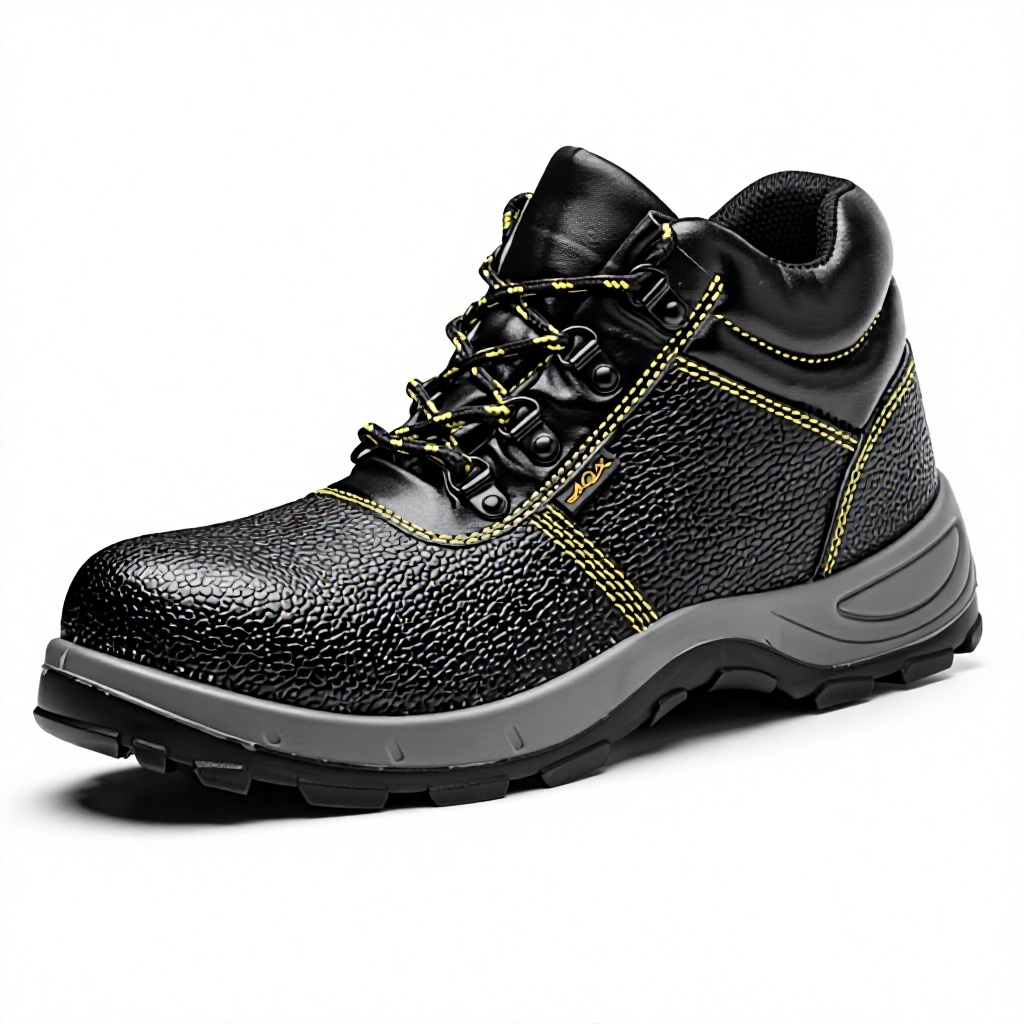
Microfiber All-Season High-Top Men's Protective Safety Shoes with Puncture-Proof Non-Slip Soles and Ladle Head Toe
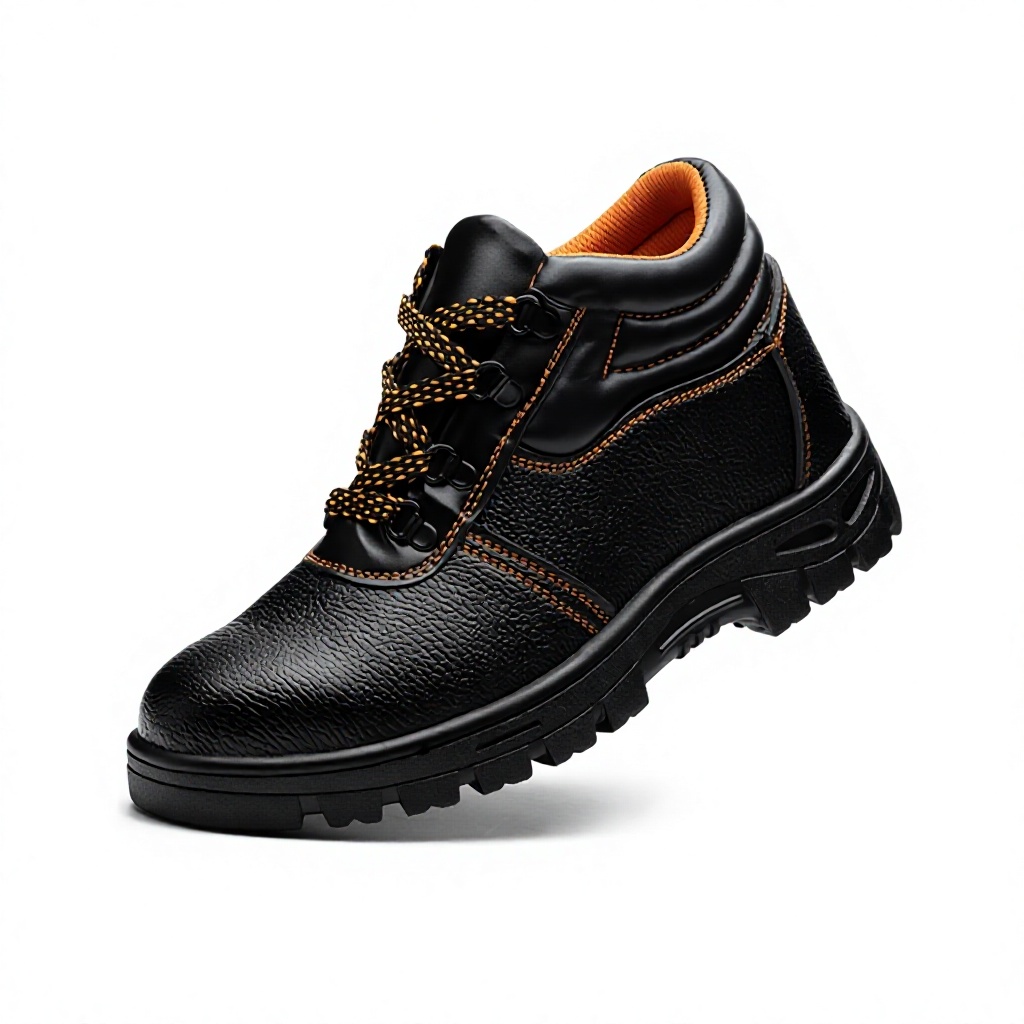
Men's Protective High-Top Cowhide Safety Boots Puncture-Proof Round Toe All Seasons Construction Site
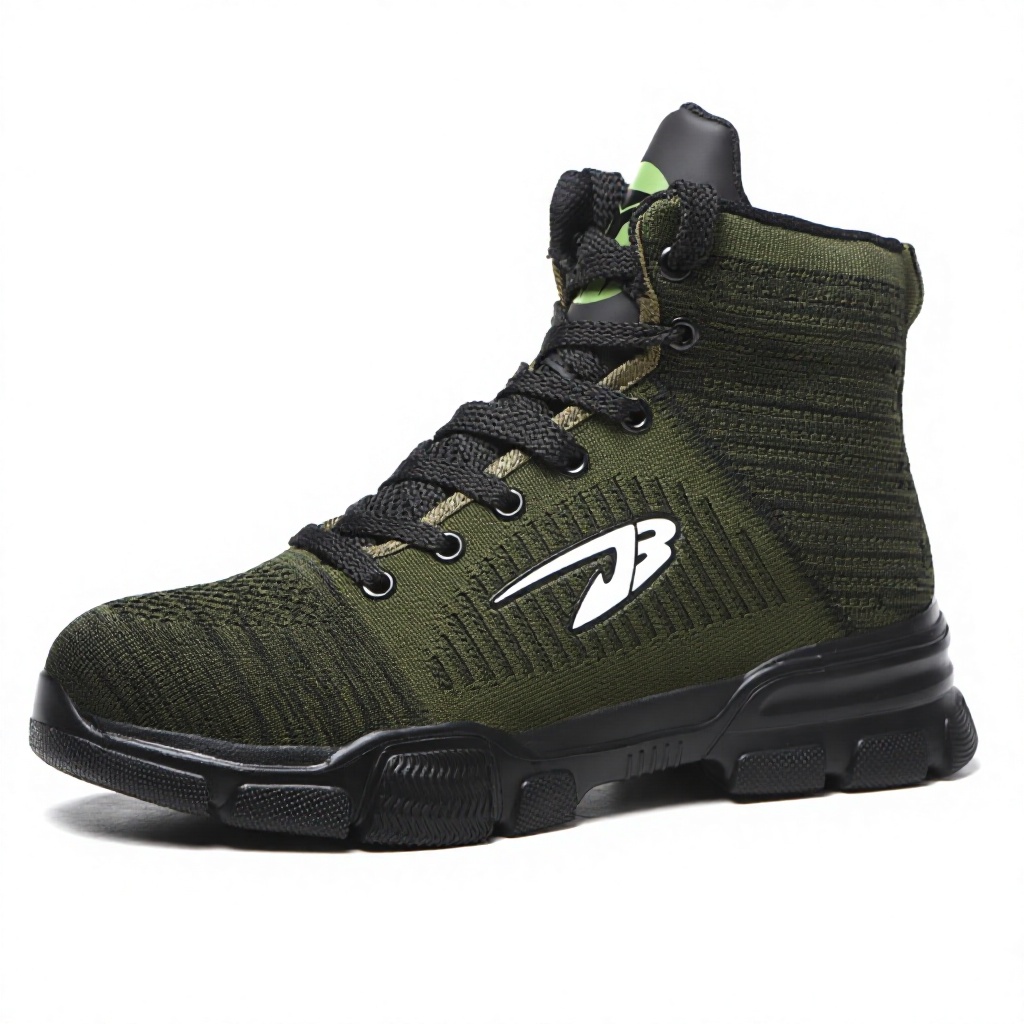
Men's High Top Steel Toe Cap Labor Protection Shoes for Upper Rubber Outsole All Seasons Architectural Industry Use
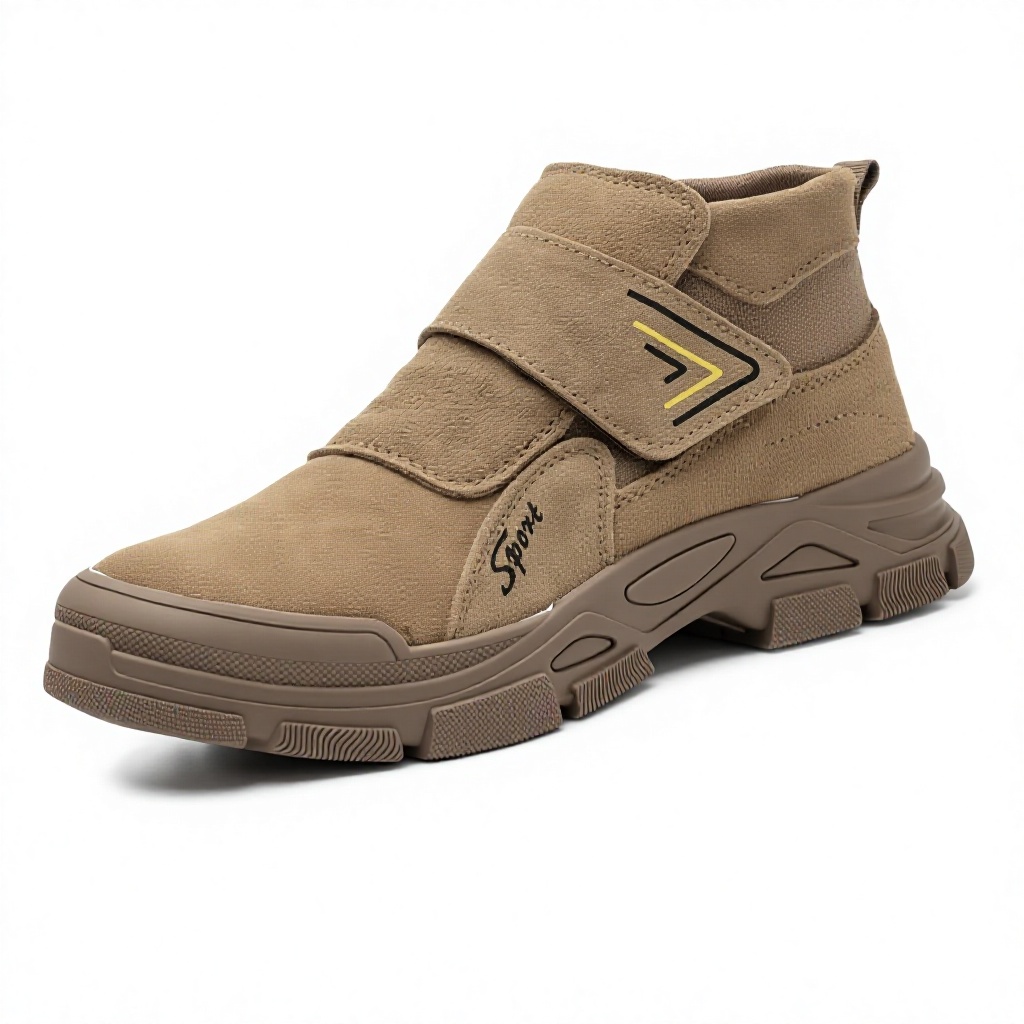
Men's High-Top Safety Work Shoes Steel Toe for Midsole Anti-Smash Anti-Puncture Comfortable Labor Protection
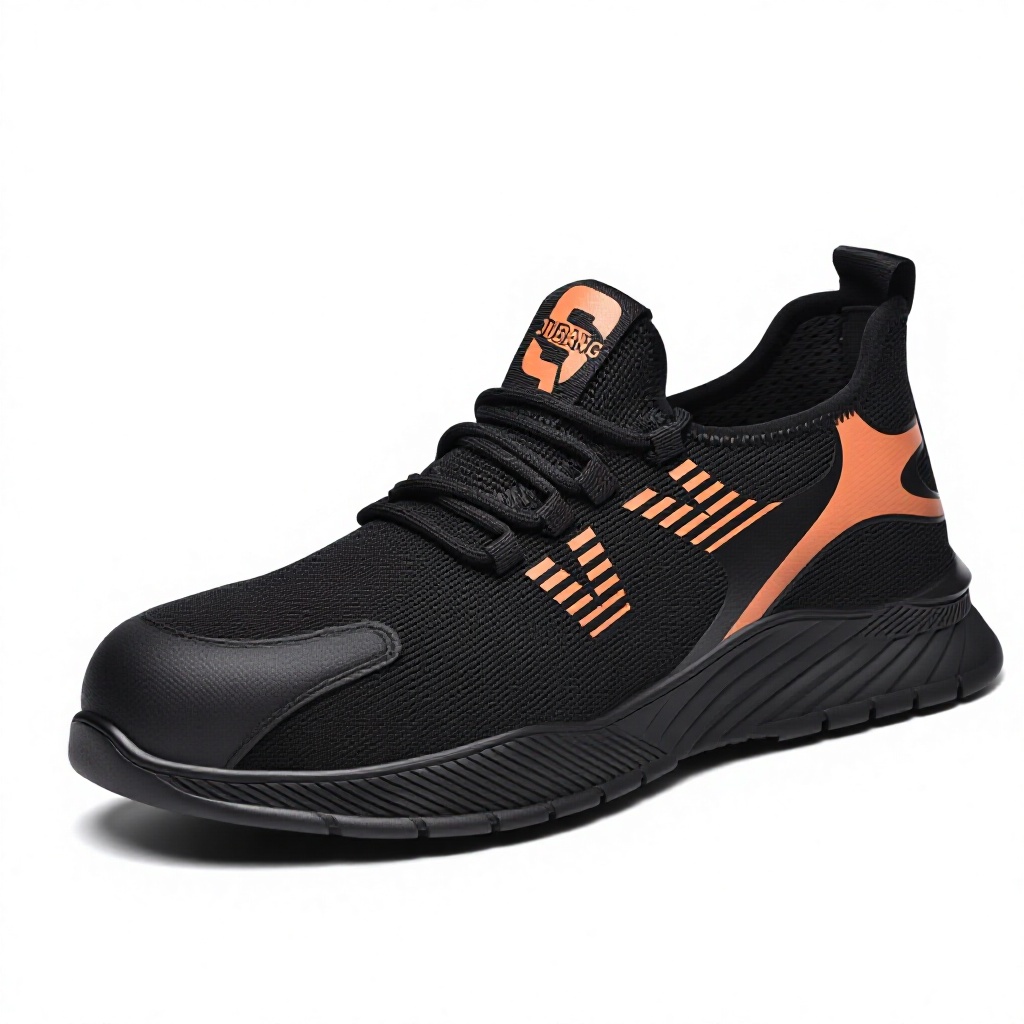
Men's Summer Safety Shoes Steel Toe Fly-knit Mesh Breathable Anti-smash Anti-puncture All Seasons
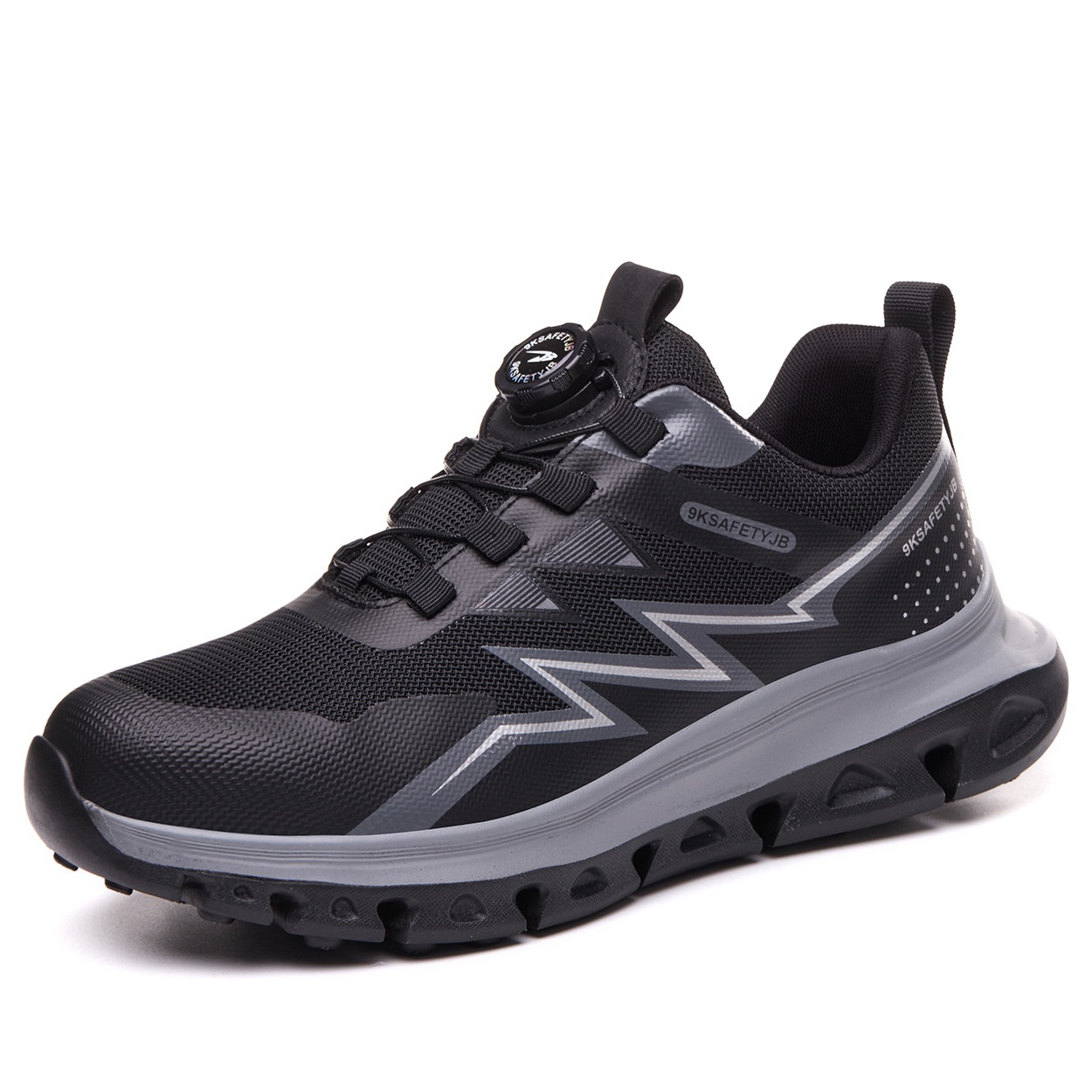
Men's Safety Shoes Ladle Head Toe-Resistant Puncture-Proof Lightweight Flying Mesh Upper Rubber-Plastic Sole Durable All-Day
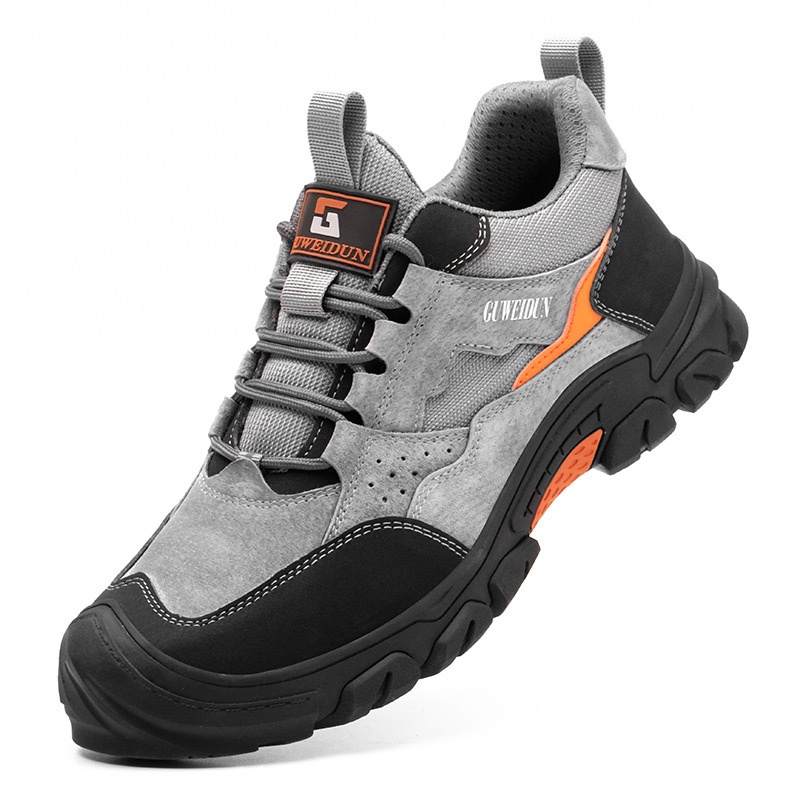
Men's Safety Shoes Puncture-proof Cowhide Upper Plastic Toe Cap Lightweight Low-top for Construction Sites
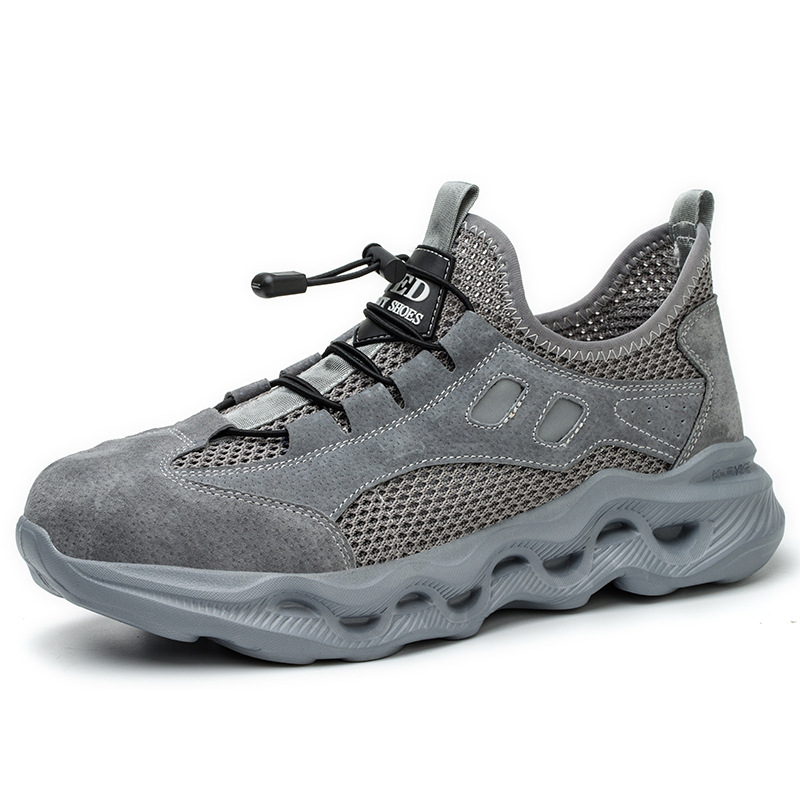
Men Steel Toe Safety Shoes Crush Resistant Puncture Proof Suede Mesh Upper EVA Sole Lightweight Construction Summer
Engineering Heat-Resistant Safety Boots for Severe Environments
A technical examination of metallurgical resistance, vulcanized outsole chemistry, and thermal barrier linings engineered to withstand the radiant, conductive, and convective hazards of heavy manufacturing.
HRO Vulcanized Nitrile Outsoles
Standard Polyurethane (PU) outsoles hydrolyze and break down above 130°C. Our heat-resistant work boots utilize high-density vulcanized nitrile rubber compounds rated for HRO (Heat Resistant Outsole) performance, withstanding direct surface contact up to 300°C (572°F) for at least 60 seconds without softening, melting, or carbon structural delamination. The tread patterns feature broad self-cleaning expulsion lugs that prevent hot slag or asphalt slurry accumulation.
Thermal Barrier Insoles & Kevlar® Thread
Thermal transfer through the sole bottom is controlled via multi-layer aluminized Nomex® under-insoles paired with compressed puncture-resistant composite fiber plates. While standard polyester stitches fail under hot metal debris, every seam in our high-temperature collection is stitched with flame-retardant para-aramid (Kevlar®) filament, preventing seam burst even when exposed to molten welding splatter or continuous furnace sparks.
Dielectric & Anti-Conductive Isolation
For smelting operations and electrolytic facilities in the Valley of Mexico, thermal footwear must eliminate electrical bridging risks. We supply composite polycarbonate and aerospace-grade fiberglass toe caps that provide identical impact resistance (200 Joules) to carbon steel, without conducting radiant thermal energy to the worker’s toes or creating dielectric conductivity hazards during high-voltage arc exposure.
High-Temperature Industrial Applications Across Greater Mexico City
Tailored supply matrices aligning protective footwear specifications with the localized thermodynamic, chemical, and mechanical stresses of Central Mexico's industrial hubs.

Metal Foundries & Structural Steel Fabrication
Foundries and metal recycling mills in Industrial Vallejo and Northern EdoMex subject operators to continuous molten metal spatter, radiant forge heats exceeding 800°C, and sharp iron scrap. High-top cowhide leather boots equipped with quick-release metatarsal shields and puncture-proof steel midsoles protect against drop impact and prevent hot droplet ingress behind the tongue.

Automotive Stamping & Glass Container Forming
High-volume automotive parts presses, exhaust welding assembly, and industrial glass production plants operate continuous curing lines. Workers stand on heated grating platforms up to 140°C. Breathable heat-resistant boots using fly-knit high-durability membranes and heat-dissipating EVA/nitrile sole sandwiches mitigate worker fatigue without compromising thermal defense.

Bitumen & Hot-Mix Asphalt Road Works
Municipal paving crews and highway infrastructure contractors resurfacing the Periférico, Circuito Interior, and suburban expressways walk directly across freshly dumped asphalt mixes compacted at 150°C–170°C. Specialized flat, lug-less nitrile outsoles prevent bitumen pickup while high-density insulation baffles prevent convective sole heat from scorching inner boot footbeds.
Nearshoring Momentum & The Evolution of Mexico's PPE Specifications
The manufacturing renaissance spurred by nearshoring in the Bajío and Valley of Mexico industrial belts has permanently altered personal protective equipment procurement. Tier-1 automotive and multinational electronics OEMs operating in Mexico City, Cuautitlán Izcalli, and Lerma now enforce strict harmonization between national standard NOM-113-STPS-2009 and international counterparts ASTM F2413-18 and ISO 20345:2021.
Key Strategic Shift: Traditional heavy leather boots with glued standard rubber soles are experiencing rapid phase-out across Mexican safety audits due to thermal delamination risks, driving high demand for direct-injected or Goodyear-welted nitrile thermal systems.
- Transition to Non-Metallic Thermal PPE: Broad adoption of composite toes and anti-perforation aramid textiles to prevent thermal conductivity from forge floors and eliminate security gate bottlenecks.
- Demand for Multi-Norm Certification: Large procurement groups now require simultaneous STPS Type II (Impact Protection), Type III (Puncture Defense), and Type VII (Anti-Static/Dielectric) compliance on single boot SKUs.
- Shift Toward Ergonomic Thermal Wear: High-altitude work fatigue in Mexico City (2,240m elevation) combined with heat stress is elevating the demand for ultra-lightweight microfiber thermal uppers over heavy raw hides.
Footwear Technology Demand Shift (CDMX Area)
*Data aggregated from enterprise safety footwear RFQs, technical tenders, and warehouse industrial replenishment audits within the Central Mexico Industrial Corridor (CDMX-EdoMex-Hidalgo).
Why Direct Supply Chain Partnership Outperforms Local Brokerage
Complete traceability, factory-calibrated QA, and bespoke manufacturing capacity designed for industrial distribution networks, enterprise contract holders, and regional PPE brands.
Systematic Material Control & Traceability
Rather than purchasing ad-hoc batches from local trading middlemen, our production operates on locked bills of materials (BOM). From the thermal rating of our nitrile rubber compounds to certified steel inserts, every component lot is pre-tested before vulcanization, guaranteeing batch-to-batch consistency across annual supply cycles.
OEM / ODM Custom Labeling & Tooling
We provide full white-label and contract-manufacturing engineering for Mexican safety suppliers. Services include custom-engraved outsoles, embossed brand emblems on cowhide panels, personalized multilingual hangtags conforming to PROFECO requirements, and customized reinforced shoebox packaging ready for retail shelf or industrial dispenser rollout.
Multi-Incoterm Logistics to Manzanillo & CDMX
We handle end-to-end containerized and LCL freight operations. Offering DDP (Delivered Duty Paid), CIF (Manzanillo / Veracruz), and FOB options, we coordinate directly with Mexican customs brokers (Agentes Aduanales) to ensure smooth customs crossing under accurate tariff classifications (Fracción Arancelaria 6403.40).
Frequently Asked Questions by Mexico City Industrial Buyers
Practical answers covering compliance, import documentation, SAT tax handling, sizing standards, and localized wear conditions in the Mexican market.
What specific NOM certifications are legally mandatory for selling or deploying heat-resistant work boots in Mexico?
- Tipo II (Calzado de Protección Ocupacional): General safety with impact defense toe cap (minimum 101.7 Joules impact and 11.13 kN compression resistance).
- Tipo III (Calzado de Protección Dieléctrico): Footwear intended to prevent electrical conductivity up to 14,000 Volts at 60 Hz under dry conditions.
- Tipo VII (Calzado de Protección Antiestático / Conductor): Vital for volatile manufacturing zones to dissipate electrostatic charges.
How does high altitude and dry-to-rainy seasonality in Mexico City affect heat-resistant footwear longevity?
In cheap boots, typical Polyurethane (PU) midsoles accelerate their hydrolysis process under this rapid alternation between arid heat and damp street standing water. Our boots utilize high-grade vulcanized rubber outsoles and water-resistant treated cowhide or high-density microfibers that resist UV degradation, drying out, and sole rotting, ensuring consistent structural bond performance year-round.
What shoe sizing system is utilized for manufacturing runs targeted at the Mexican workforce?
Furthermore, Mexican foot anatomies frequently display a wider ball girth (ancho EE or EEE). Standard European narrow lasts often cause painful toe impingement against protective steel caps. Our Mexican production runs are sculpted over customized wide-profile lasts (horma ancha) to guarantee comfortable full-shift wear without rubbing or blisters.
What documents are provided to enable customs clearance at Mexican maritime ports (Manzanillo / Veracruz) or AICM / AIFA cargo terminals?
1. Commercial Invoice (Factura Comercial) containing precise descriptions, material compositions (leather percentage, synthetic outsoles), and valuation in USD.
2. Detailed Packing List (Lista de Empaque) itemized by size, color, weight, and carton counts.
3. Certificate of Origin (Certificado de Origen) for preferential tariff treatments where applicable.
4. Mill Test Certificates (MTC) verifying HRO thermal tolerance, impact, and puncture ratings.
5. Compliant labeling: Inner tongue labels formatted in Spanish disclosing country of origin, raw material composition (corte, forro, suela), and importer RFC references in compliance with NOM-020-SCFI-1997.
What are the typical Minimum Order Quantities (MOQ) and production lead times for wholesale distribution in Mexico?
Production cycles average 25 to 35 business days from sample sign-off, with maritime transit to Manzanillo taking approximately 18 to 24 days, allowing predictable inventory replenishment schedules for Mexican distributors.
Equip Your Industrial Facility or Distributorship Today
Connect with our technical product specialists to receive factory-direct price sheets, material testing reports, and custom sample pairs for field trials across the Mexico City metropolitan zone.
Get a Quote