10 kWh / 5 kW

Model: HES-1005
Residential LiFePO4 ESS with 5 kW Inverter & 10 kWh Battery
51.2V 200Ah
5 kW Hybrid
6000+ Cycles
Pre-engineered, modular LiFePO4 residential battery systems equipped with high-yield hybrid inverters, closed-loop BMS communication, and seamless microgrid switching for whole-home backup during severe storm disruptions.


The Memphis metropolitan area, encompassing Shelby County and the broader Mid-South tri-state region (Tennessee, Arkansas, Mississippi), operates under a unique power generation and distribution dynamic. Electricity in Memphis is distributed by Memphis Light, Gas and Water (MLGW), which stands as the largest three-service public municipal utility in the United States, serving more than 440,000 electric customers. However, MLGW generates virtually none of its own electricity; instead, it purchases 100% of its wholesale power from the federal Tennessee Valley Authority (TVA) under a long-term all-requirements contract.
Over the past half-decade, this centralized transmission structure has encountered escalating operational vulnerabilities. Severe climate anomalies—ranging from sub-freezing Arctic winter blasts (such as Winter Storm Landon in 2022 and severe Polar Vortex freezes) to intense convective summer thunderstorms and destructive straight-line wind events—have repeatedly compromised the local above-ground distribution network. In mature, tree-dense residential neighborhoods like Midtown Memphis, East Memphis, Central Gardens, Hein Park, Germantown, and Collierville, fallen oak branches routinely sever overhead distribution lines, stranding tens of thousands of homeowners without electrical power for multiple days.
Beyond emergency preparedness, utility billing structures across the TVA service territory are driving homeowners to reconsider residential photovoltaic self-consumption. While Tennessee has historically maintained relatively competitive residential retail electricity rates, MLGW rate adjustments combined with TVA’s shifting distributed generation policies mean that direct export of surplus rooftop solar offers diminished financial returns compared to on-site solar shifting. By coupling solar arrays with scalable LiFePO4 (Lithium Iron Phosphate) energy storage banks (10 kWh to 25 kWh capacity), Memphis homeowners can store daytime solar harvest and discharge during evening peak household consumption hours, insulating themselves against time-varying utility tariff spikes while securing absolute blackout immunity.
When selecting residential battery storage for installation in Memphis, environmental and thermal dynamics are paramount. Mid-South summers routinely subject garages, basements, and exterior utility corridors to ambient temperatures exceeding 98°F (36.7°C) with ambient relative humidity consistently topping 80%, while winter temperatures can drop below 10°F (-12°C). Under these rigorous operating parameters, choice of battery chemistry dictates not only system longevity, but fundamental household life-safety.
Jiaxing Virtuous Technology Co., Ltd. standardized 100% of our residential energy storage portfolio on automotive-grade Prismatic LiFePO4 (LFP) cells. Compared to conventional Nickel Manganese Cobalt (NMC) chemistries commonly utilized in first-generation consumer battery packs, LiFePO4 exhibits profound structural and thermodynamic advantages:
LFP chemistry features covalent P-O chemical bonds that are inherently stable at extreme temperatures. Unlike NMC cells which experience oxygen release and violent thermal runaway at ~150°C, LiFePO4 remains thermally stable beyond 270°C, mitigating fire hazard risks in attached residential garages.
Our residential cells achieve over 6,000 full discharge-charge cycles at 80% Depth of Discharge (DoD) under 0.5C cycling regimes. This delivers a dependable operational lifespan exceeding 15 years under daily cycling, outperforming legacy chemistries by more than 300%.
Using a 16S 51.2V prismatic cell configuration, our stackable battery modules maintain touch-safe busbar voltages during installation. Contractors in Memphis can expand capacity from 10 kWh up to 25 kWh without handling dangerous DC voltages exceeding 400V.
Furthermore, every Virtuous HES unit integrates an industrial-grade, multi-tier Battery Management System (BMS). The BMS continuously monitors individual cell voltages, temperature gradients via embedded NTC sensors, and real-time charging/discharging current. If an anomalous winter temperature drops cell temperature below 32°F (0°C), the BMS actively restricts charging to prevent lithium dendrite plating, while allowing discharge to power the home. Closed-loop RS485 and CANbus protocols communicate seamlessly with our 5 kW and 10 kW hybrid split-phase inverters, adjusting charging curves instantaneously based on State of Charge (SOC) and thermal health.
From historic urban residential corridors to large rural estates across Shelby, Fayette, and Tipton counties, our energy storage solutions solve distinct operational pain points faced by homeowners and EPC solar installers:
Deployment: Germantown & Collierville residential estates.
System: HES-2510 (25 kWh Battery + 10 kW Split-Phase Hybrid Inverter).
Operation: During winter icing events that knock out MLGW feeders, the sub-10ms automatic transfer switch (ATS) islands the house without interrupting sensitive medical devices, fiber optical routers, or refrigerator compressors. The dual-inverter surge rating accommodates the LRA (Locked Rotor Amperage) of modern high-efficiency heat pumps, maintaining livable indoor temperatures through prolonged sub-freezing conditions.
Deployment: East Memphis & Midtown single-family residences.
System: HES-1510 (15 kWh Battery + 10 kW Inverter).
Operation: Under TVA’s Dispersed Power Production rules, homeowners monetize daytime solar energy by directing surplus generation into the 15 kWh battery bank rather than exporting it at wholesale utility rates. During evening peak hours (5:00 PM – 9:00 PM), the system discharges to power electric vehicle (EV) charging stations and kitchen appliances, drastically reducing grid reliance.
Deployment: Tipton County & North Mississippi peripheral properties.
System: HES-2010 Split Architecture (20 kWh Battery + 10 kW Inverter).
Operation: Rural distribution co-op feeders frequently suffer transient voltage sags and rolling brownouts. The HES-2010 operates in continuous power conditioning mode, delivering pure sine-wave 120V/240V power to domestic deep-well water pumps, security gates, and home refrigeration systems, supplemented by ground-mount solar arrays.
A technical side-by-side performance comparison highlighting why Virtuous stackable LiFePO4 residential platforms are selected by forward-thinking electrical contractors and system distributors over legacy options:
| Technical Parameter | Virtuous HES-1010 / HES-2510 | Legacy Lead-Acid / AGM Banks | High-Voltage NMC Wall Units |
|---|---|---|---|
| Battery Chemistry | Prismatic Lithium Iron Phosphate (LiFePO4) | Flooded / Sealed Lead-Acid | Lithium Nickel Manganese Cobalt (NMC) |
| Usable Energy Capacity | 10 kWh to 25 kWh (Expandable) | 5 kWh to 10 kWh (De-rated at high discharge) | 10 kWh to 13.5 kWh (Fixed capacity) |
| Cycle Life Rating | > 6,000 Cycles (@ 80% DoD, 0.5C) | 500 to 1,200 Cycles (@ 50% DoD) | 2,500 to 3,500 Cycles (@ 80% DoD) |
| Inverter Output & Grid Standard | Split-Phase 120V / 240V Pure Sine Wave | Single Phase 120V (Requires Autotransformer) | Single Phase or High-Voltage Hybrid |
| Transfer Time (Grid to Island) | < 10 milliseconds (True UPS Grade) | > 100 milliseconds (Causes PC / router reboots) | 10 to 20 milliseconds |
| Operating Temperature Window | -10°C to +55°C (Smart BMS Cutoff) | 0°C to +35°C (Extreme cold de-rates 50%) | -20°C to +50°C (Requires heavy liquid cooling) |
| Compliance & Certifications | UL 1973, UL 9540 Ready, IEC 62619, CE, UN38.3 | UL 1989 (Hazardous acid off-gassing) | UL 1973, UL 9540, UN38.3 |
Founded in 2018 in Jiaxing, Zhejiang, Jiaxing Virtuous Technology Co., Ltd. was established on a single foundational mandate: clean energy storage is only as valuable as its operational reliability. In an international supply market frequently compromised by opportunistic trading brokers, Virtuous engineers, manufactures, and exports specialized energy storage infrastructure directly to global markets across North America, South America, the Middle East, South Asia, and Eastern Europe.
We partner exclusively with Tier-1 cell foundries and certified component manufacturers. Every single residential HES model operates with a locked BOM; repeat container shipments delivered to your Memphis staging facility maintain the exact same cell batching, firmware protocols, and internal hardware architecture as your original qualification sample.
Navigating US municipal approvals requires airtight paperwork. We supply verified UN38.3 shipping summaries, material safety datasheets (MSDS), IEC 62619 stationary battery safety certificates, and engineering documentation designed to streamline AHJ (Authority Having Jurisdiction) plan checks and utility interconnection with MLGW.
From custom powder-coated chassis designs and contractor branding logos to custom split-phase wire harness configurations, we offer turnkey OEM/ODM services. We manage complete export freight logistics under flexible Incoterms—including DDP (Delivered Duty Paid directly to Memphis warehouses), CIF, FOB, and EXW.
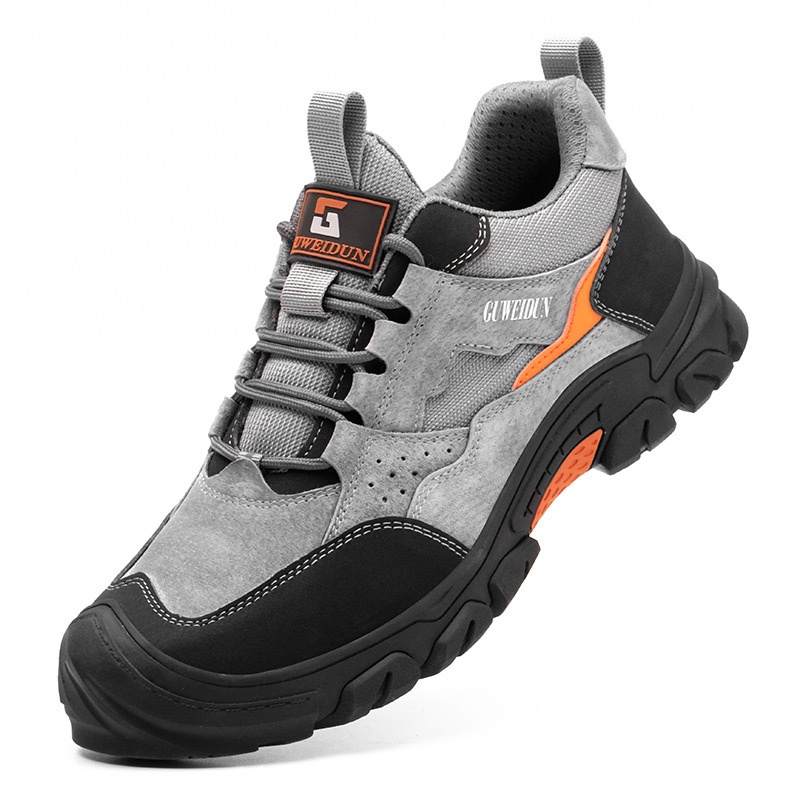
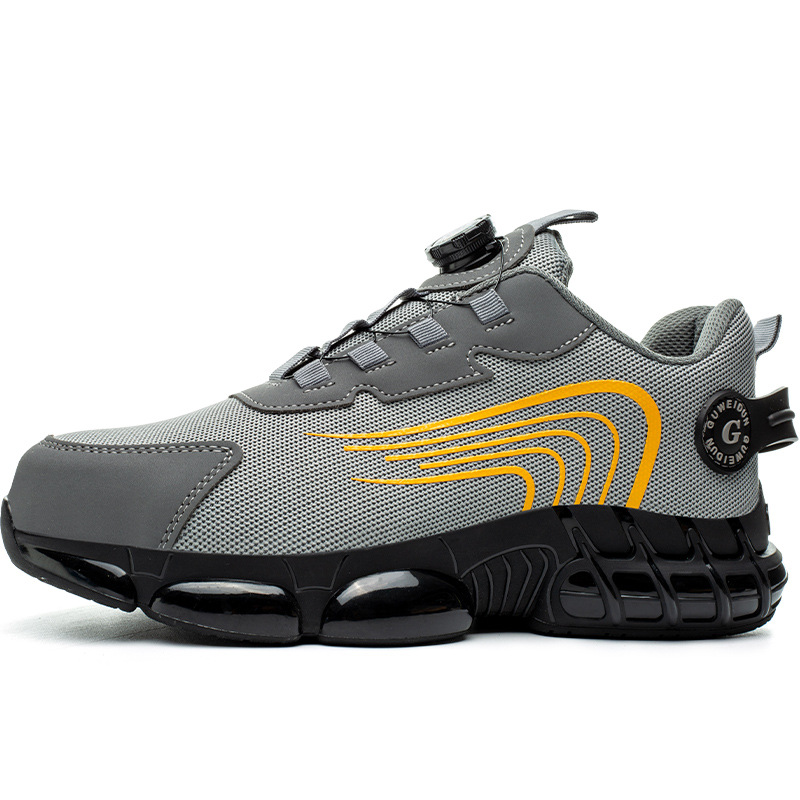
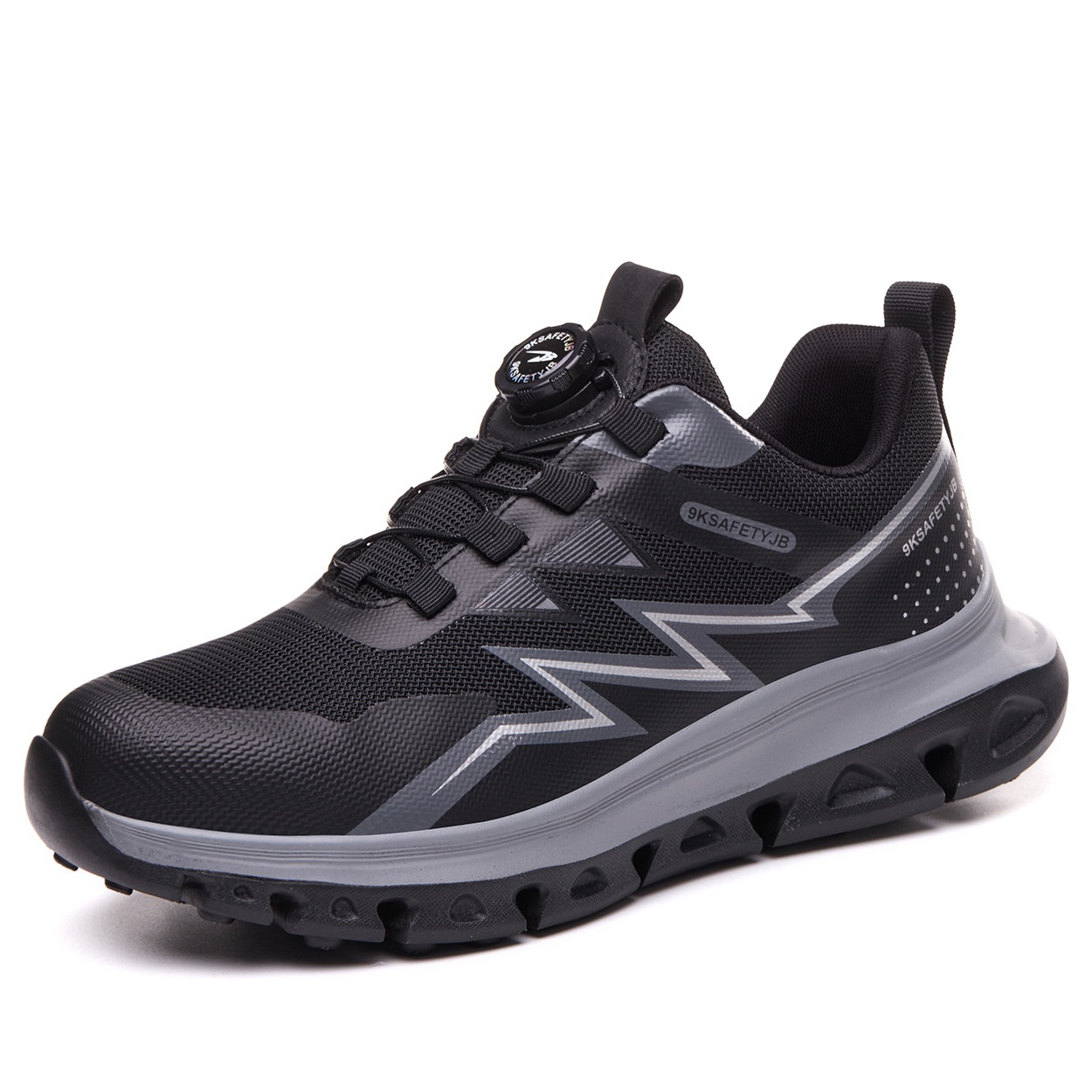
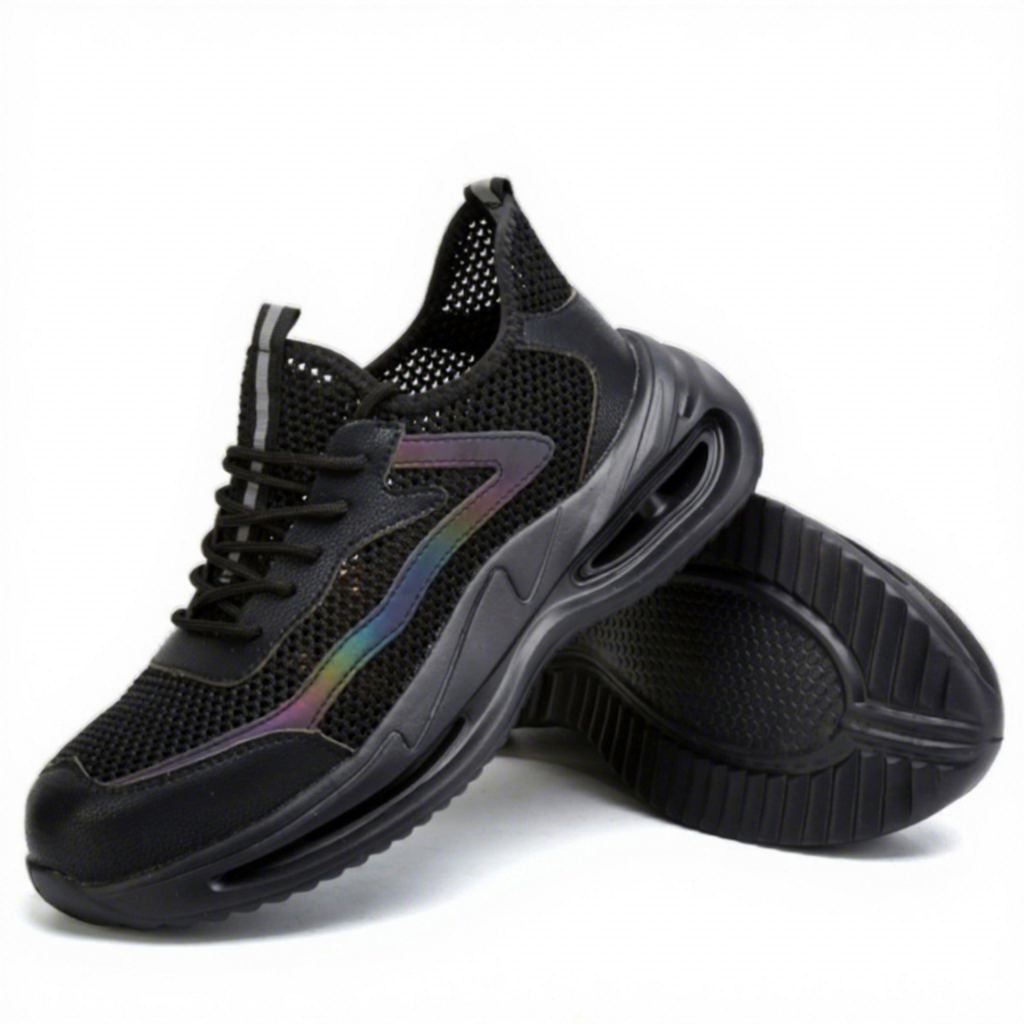
High-voltage DC installation, conduit routing, and sub-panel cut-ins demand rigorous personal protective equipment complying with OSHA and NFPA 70E electrical safety standards:
Technical, regulatory, and logistics answers for electrical engineers, solar contractors, and property owners throughout Shelby County.
In Memphis and Shelby County, residential energy storage installations fall under the regulatory jurisdiction of the Memphis and Shelby County Division of Construction Code Enforcement. Installers must submit comprehensive electrical line diagrams showing the Main Service Panel (MSP), emergency backup sub-panel, Automatic Transfer Switch (ATS), rapid shutdown hardware, and equipment specification sheets complying with NEC 2020 / NEC 2023 Article 706 (Energy Storage Systems) and NFPA 855 (Standard for the Installation of Stationary Energy Storage Systems). Furthermore, if the system is grid-tied with export capability, an Interconnection Application must be filed with Memphis Light, Gas and Water (MLGW) adhering to TVA’s distributed generation safety guidelines. Virtuous supplies complete engineering datasheets and factory certifications to expedite municipal plan approvals.
Yes. A conventional 3-ton to 4-ton residential HVAC compressor features a Locked Rotor Amperage (LRA) that can surge between 60A and 90A for a few hundred milliseconds upon startup. The Virtuous HES-1010 and HES-2510 hybrid inverters incorporate robust toroidal electromagnetic power stages with peak surge capacities reaching 20 kW to 30 kW for short durations. When paired with a modern electronic soft-starter (which reduces inrush current by up to 65%), our 10 kW continuous split-phase inverter seamlessly starts central heat pumps without triggering overload trip faults or causing interior lighting flickers.
Under Section 25D of the Internal Revenue Code, as amended by the federal Inflation Reduction Act (IRA), standalone residential battery storage systems with a capacity of 3 kWh or greater qualify for a non-refundable 30% Residential Clean Energy Credit through 2032. Critically for Memphis homeowners, the battery bank no longer needs to be 100% paired with rooftop solar panels to qualify; homeowners can install a standalone Virtuous HES battery system charged directly from off-peak grid power and still deduct 30% of the complete equipment, hardware, and certified labor costs from their federal tax liability.
51.2V low-voltage (LV) lithium architectures utilize parallel module expansion rather than high-voltage series strings. This provides two massive benefits for installers in the Mid-South: Safety and Expandability. Technicians work within Class-2 touch-safe DC voltage thresholds (below 60V DC), drastically reducing arc-flash and electrical shock hazards during installation. Second, in a 51.2V parallel stack, if a homeowner starts with 10 kWh and desires to expand to 25 kWh two years later, new battery packs can be paralleled without mismatching string voltages or requiring complete inverter replacements.
Virtuous ships high-capacity LiFePO4 batteries and inverters under full Class 9 Hazardous Materials maritime protocols. For Memphis distributors and solar EPCs, shipments typically arrive via ocean freight to the Port of Houston, Port of New Orleans, or Port of Savannah, where intermodal rail or direct freight transfers deliver equipment to Memphis warehousing terminals within 28 to 35 days from factory dispatch. We offer full DDP (Delivered Duty Paid) terms, managing customs clearance, import tariffs, and dock delivery, as well as CIF, FOB, and EXW agreements.
Virtuous residential storage enclosures feature corrosion-resistant electro-galvanized cold-rolled steel casings with multi-layer epoxy powder coating. The internal printed circuit boards (PCBs) in both the BMS and hybrid inverters undergo automated conformal coating to resist high-humidity condensation and moisture intrusion. For winter freezes, our software firmware incorporates automated low-temperature charge inhibition to protect cell integrity, accompanied by intelligent internal thermal management that ensures seamless cold-temperature cycling.