Engineering Whitepaper & Technical Analysis
Engineering Insulated Footwear for Severe Halite and Saline Processing Environments
Procuring industrial safety footwear for operations serving the Salt market—encompassing sub-surface halite rock salt extraction, solar salt crystallization basins, chlor-alkali chemical refining, and regional winter highway de-icing maintenance—presents an aggressive cross-discipline engineering challenge. Standard commercial boots frequently fail within 30 to 90 days when subjected to hyper-saline brine slush, sub-zero ambient temperatures (-10°C to -30°C), and highly conductive saturated ground surfaces. Meeting this operational reality requires targeted material science, balancing thermal barrier retention with chemical salt imperviousness and dielectric personal protection.
1. The Chemistry of Saline Degradation: Osmotic Desiccation & Hydrolysis
In municipal de-icing stockpiles and industrial salt extraction operations around the Great Salt Lake mineral corridor and international evaporative salt works, sodium chloride ($\text{NaCl}$), magnesium chloride ($\text{MgCl}_2$), and calcium chloride ($\text{CaCl}_2$) act as extreme chemical stressors on PPE. When brine solution penetrates lower-grade leather boots, standard organic tanning oils are displaced through rapid osmotic draw. As moisture evaporates, salt recrystallizes inside the collagen fibrils, expanding by volume, micro-fracturing the grain, and causing severe premature leather embrittlement, hardening, and cracking.
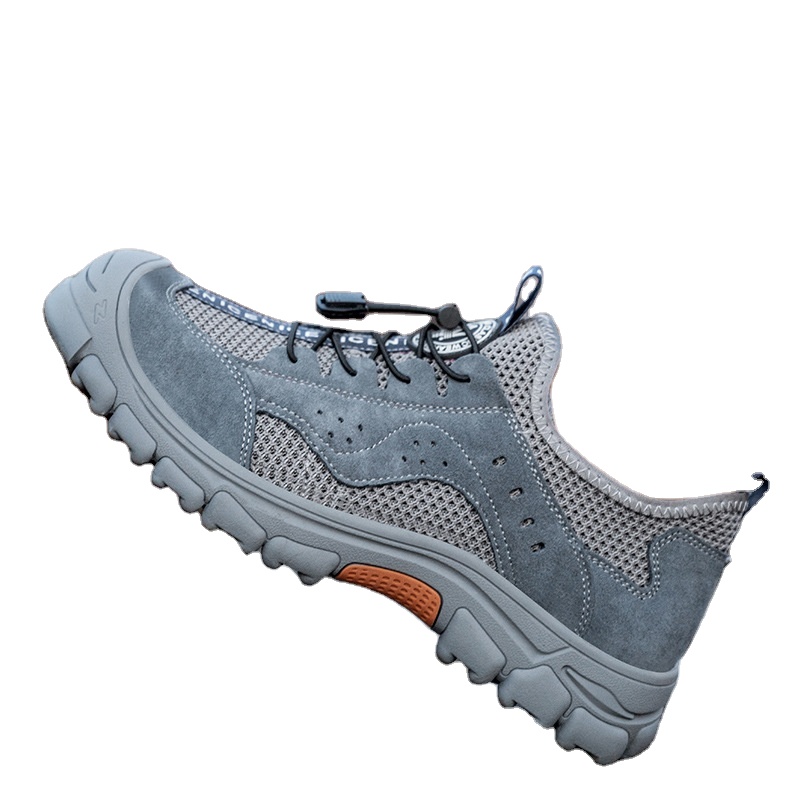
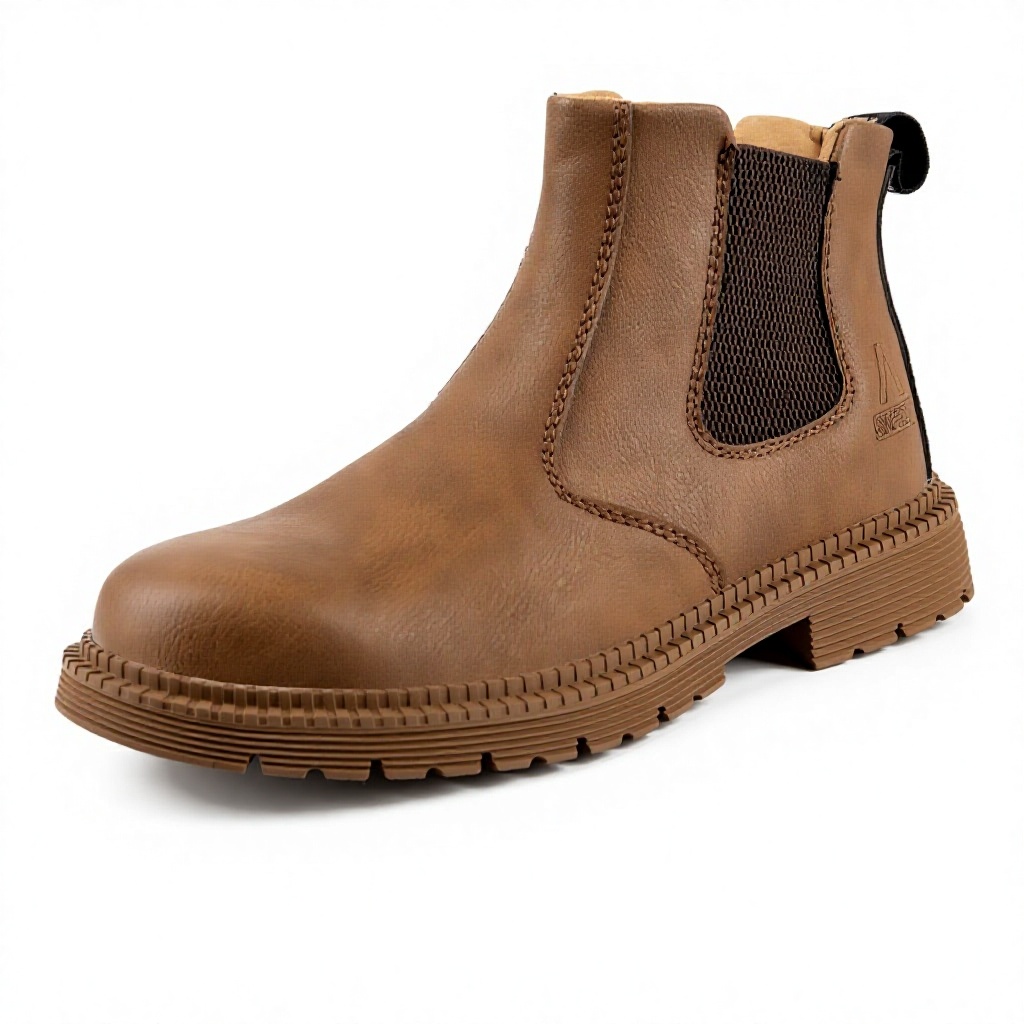
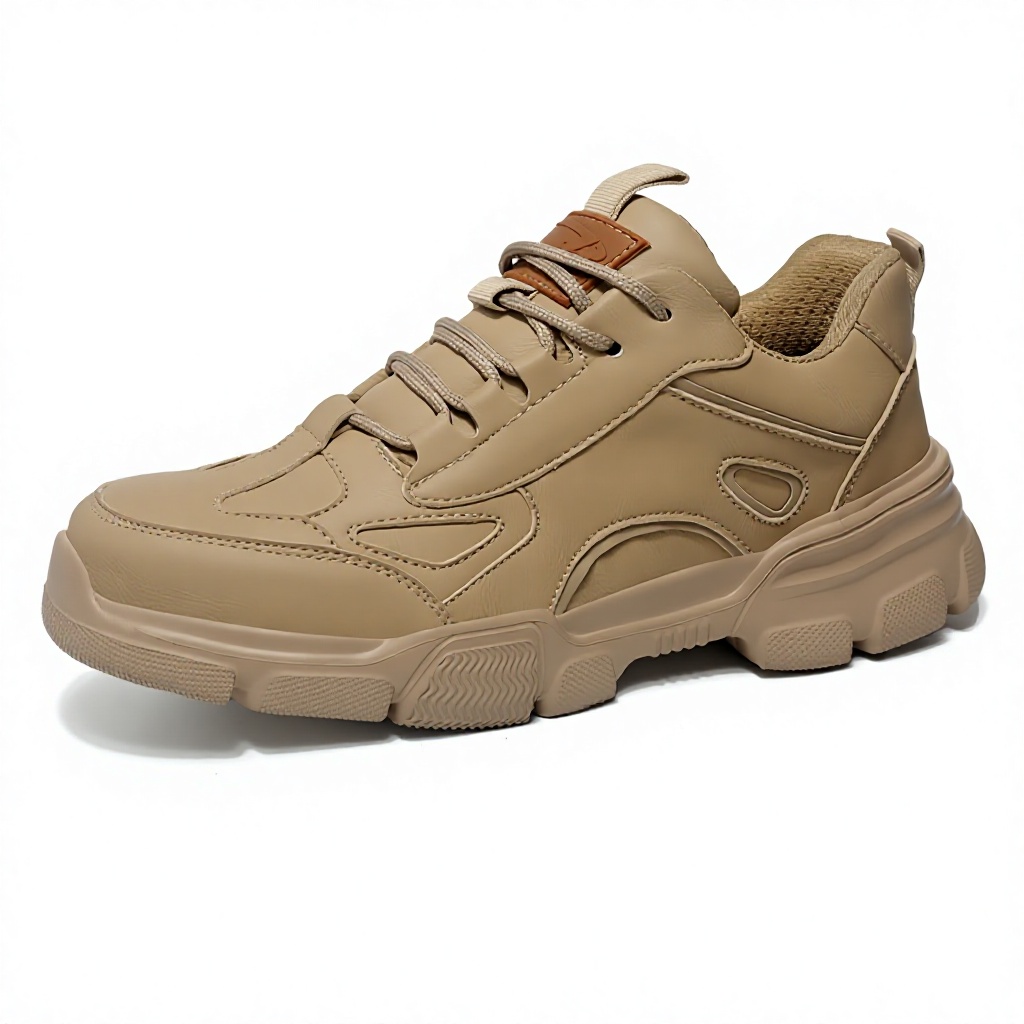
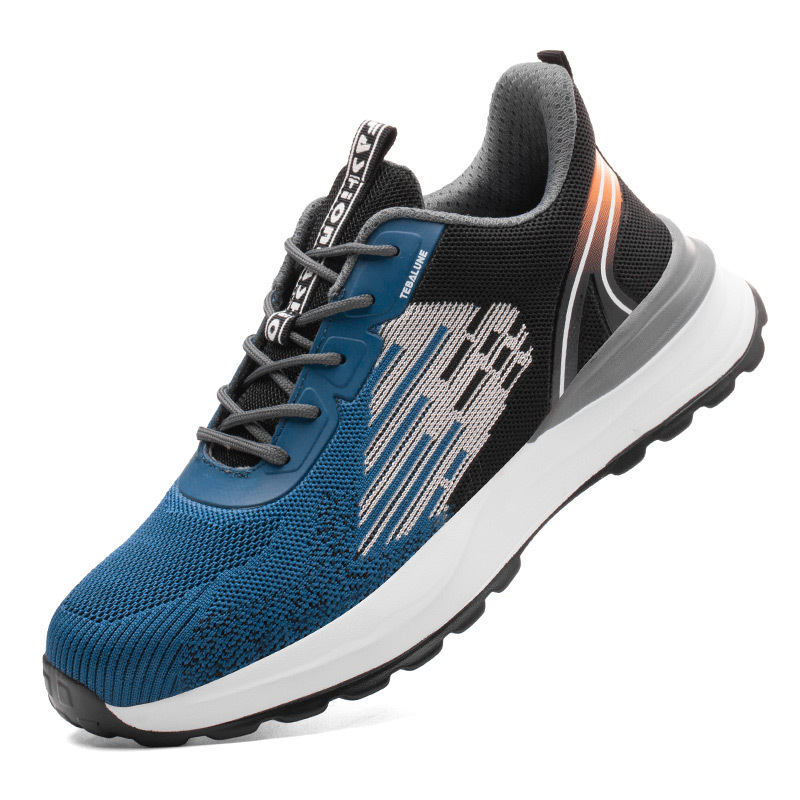
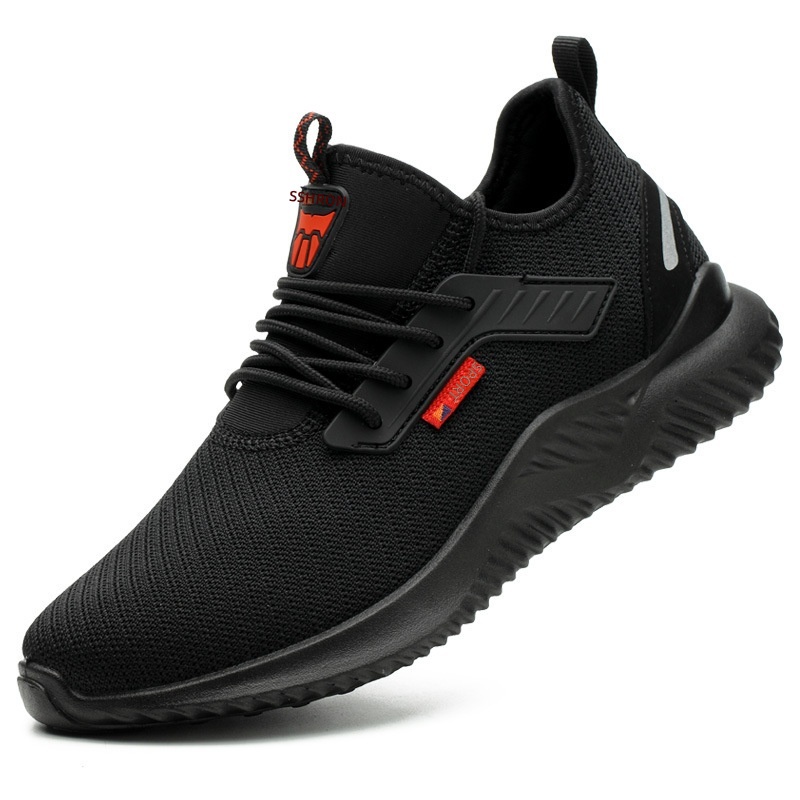
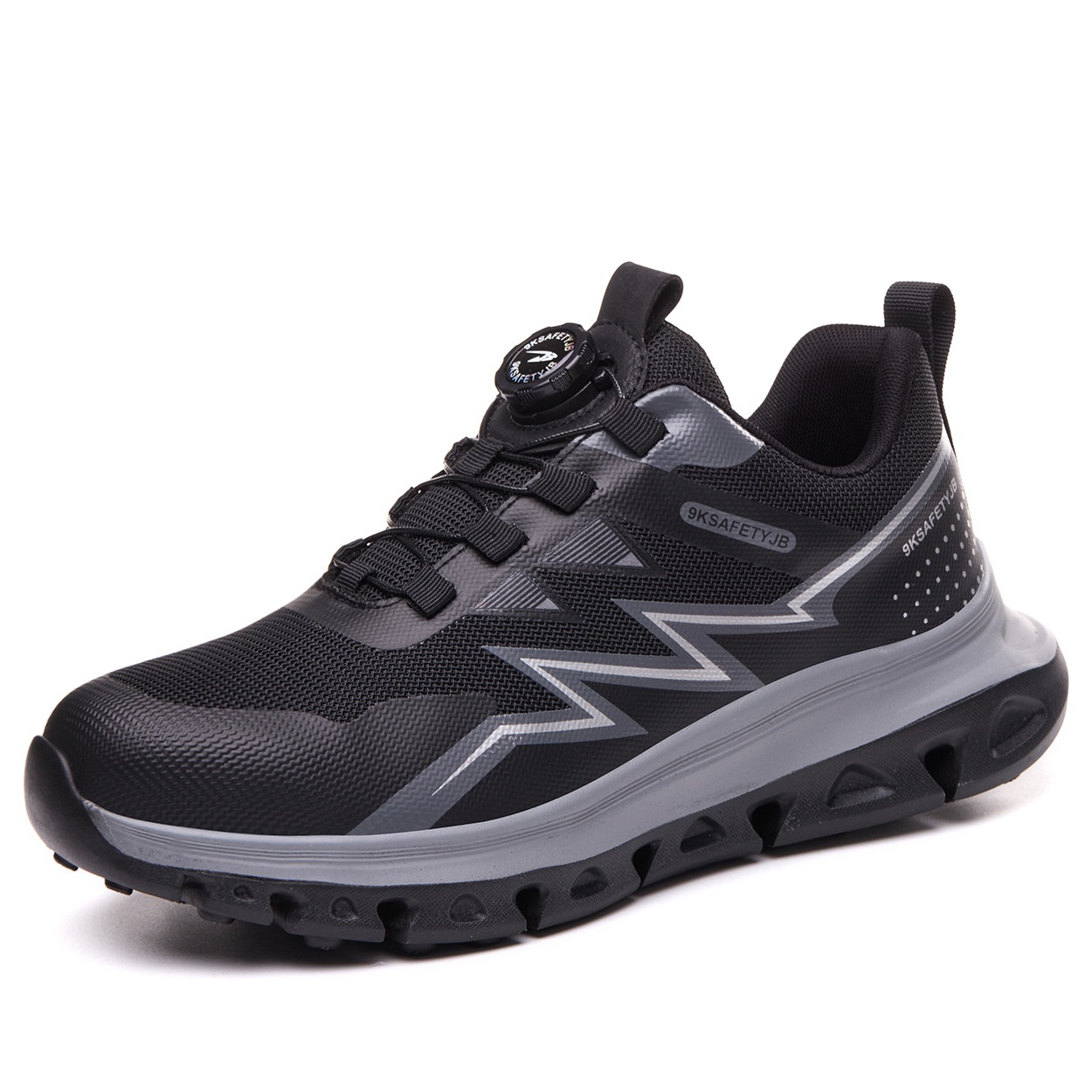
Simultaneously, standard polyurethane (PU) direct-injected sole midsoles encounter accelerated polyether/polyester hydrolysis when continuously wetted with alkaline salt brine. To prevent sole delamination and catastrophic mid-sole crumble, our contract manufacturing facilities utilize vulcanized Nitrile Rubber (NBR) compounds and specialized hydrophobic full-grain cowhide treated with fluoropolymer water-and-salt barriers. Microfiber synthetic leather alternatives (such as utilized in our cross-border industrial shoes) further guarantee absolute chemical inertness against inorganic halogen salts.
Thermal Conductivity vs. Toe Caps
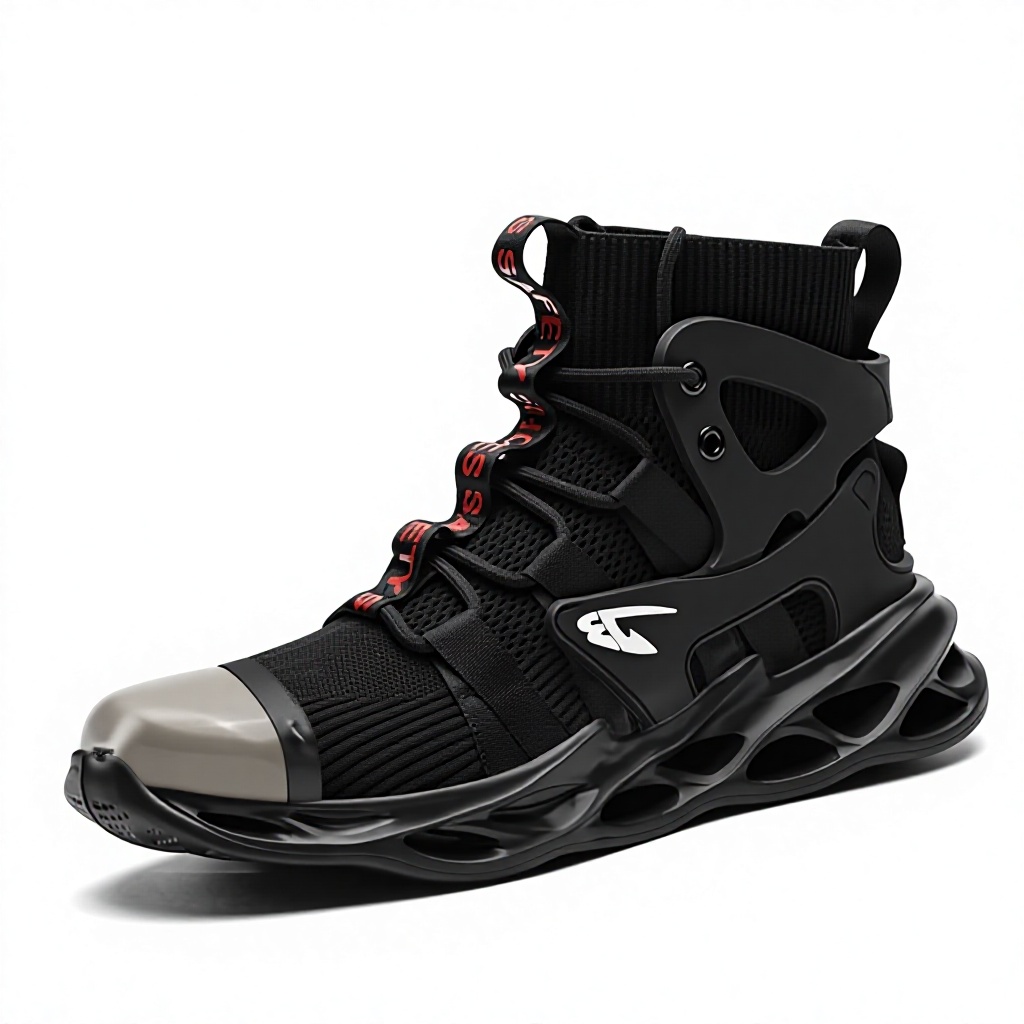
Traditional carbon steel toe caps possess high thermal conductivity (~50 W/m·K), functioning as a thermal siphon that drains heat directly from the worker's toes into cold saline slush. For sub-zero operations, we supply non-metallic carbon fiber and molded plastic/composite toe caps (thermal conductivity ~0.2 W/m·K), eliminating cold bridging entirely.
Electrical Hazard (EH) & Brine
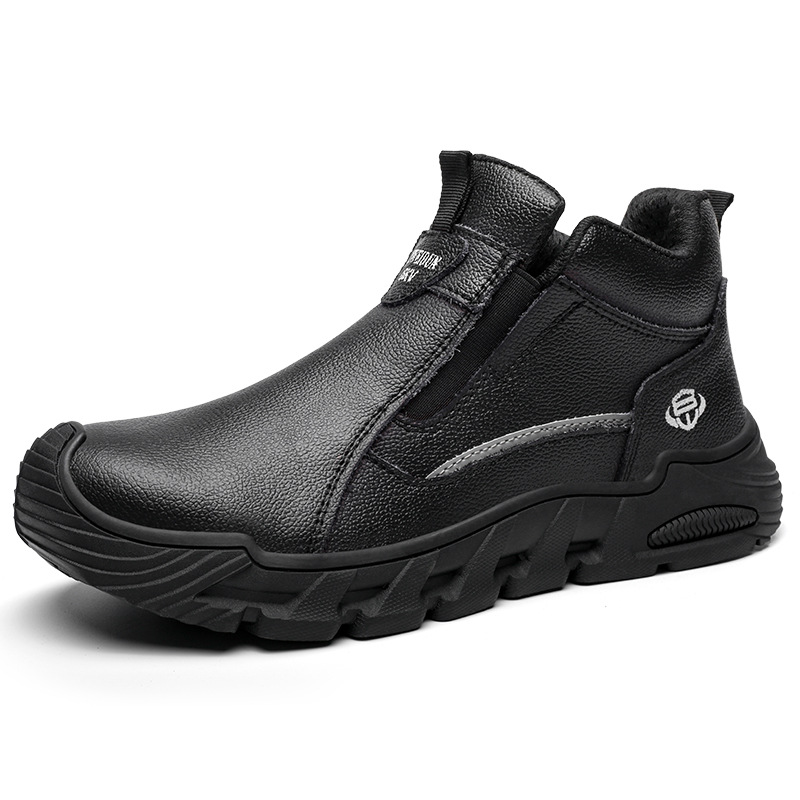
Saline mud and wet salt dust represent hyper-conductive pathways. Standard wet footwear loses all dielectric capability. Our electrician and insulated welding footwear line incorporates specialized vulcanized gum-rubber outsoles certified to withstand 18,000V at 60Hz for 1 minute under ASTM F2413 EH protocols, maintaining worker isolation.
Anti-Puncture Under Halite Crags
Subterranean salt mines and crystallization pans feature needle-sharp halite crystals capable of slicing thin outsoles. We swap brittle steel plates for multi-ply woven aramid (Kevlar) ballistic midsole shields resisting >1,100 N puncture force while maintaining 100% sole flex and full thermal insulative barrier continuity.
2. Material Science Comparison for Salt Market Safety Footwear
Sourcing managers must specify materials tailored specifically to their facility's primary stress factors. The table below outlines technical parameters tested across our manufacturing lines:
| Footwear Component |
Standard Industrial Boot |
Salt Market Spec (Our Engineering) |
Operational Benefit |
| Toe Protection |
Structural Alloy / Steel (Cold Conductor) |
Non-Metallic Composite / Ladle Shell |
Zero thermal bridge; prevents frostbite in sub-zero brine sloughs. |
| Upper Material |
Standard Split Cowhide (Absorbs Saline) |
Treated Full-Grain Cowhide or Superfine Microfiber |
Resists salt crystallite grain-tear; 300% longer cosmetic and flex life. |
| Thermal Lining |
Basic Polyfoam / Brushed Tricot |
200g - 800g Thinsulate™ Equivalent Microfiber |
Traps dead air, wicks moisture away from skin during heavy metabolic exertion. |
| Outsole Compound |
Single Density Polyurethane (Hydrolysis Prone) |
Dual-Density NBR Rubber / EVA Cushion Core |
Immune to chemical hydrolysis; SRC certified traction on oily/wet salt surfaces. |
| Puncture Core |
Cold-Conductive Spring Steel Shim |
High-Tenacity Kevlar Composite Membrane |
Covers 100% of footbed; blocks conductive thermal loss from frozen ground. |