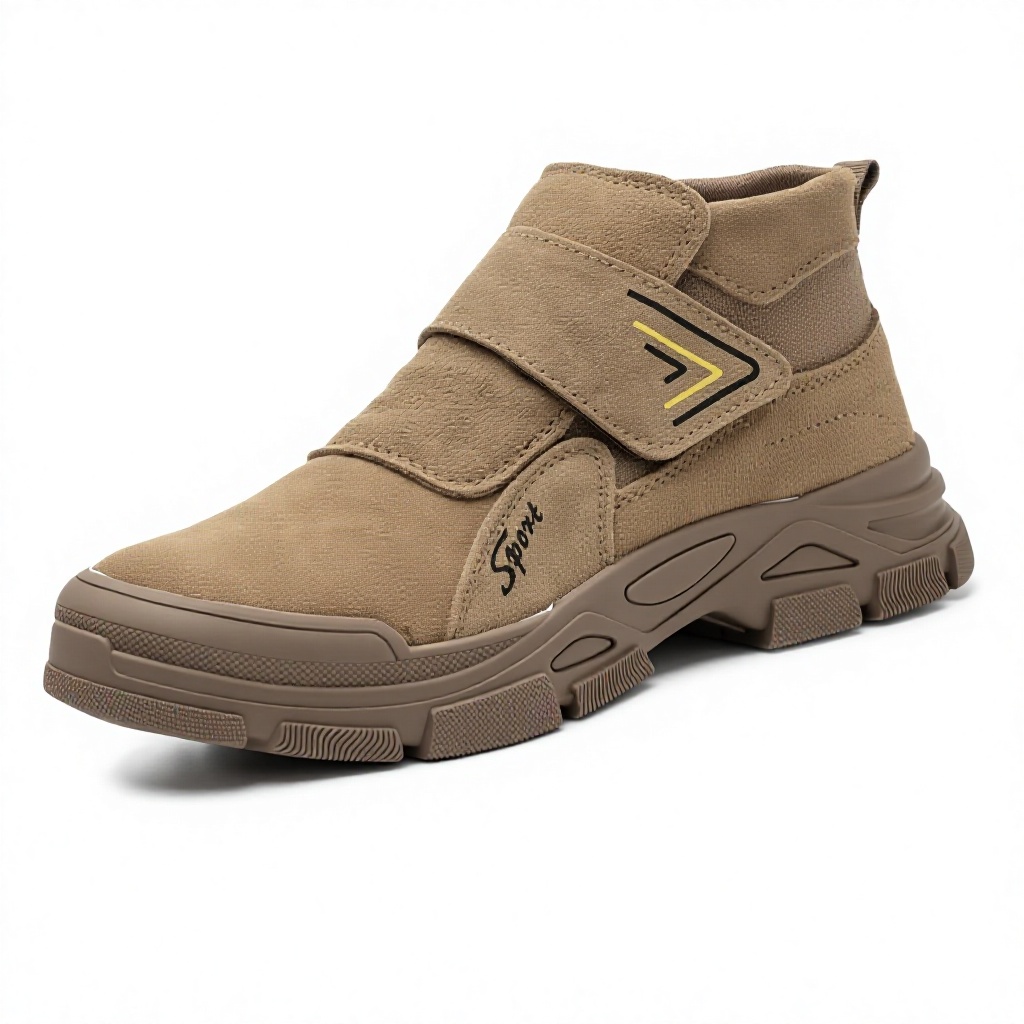
Certified Safety Specifications
High-Performance Protective Footwear for Mining Sectors
Engineered to comply with ASTM F2413-18 and EN ISO 20345:2022 standards. Discover puncture-resistant, shock-absorbing, and acid-resistant boots tailored for open-pit and underground extraction.
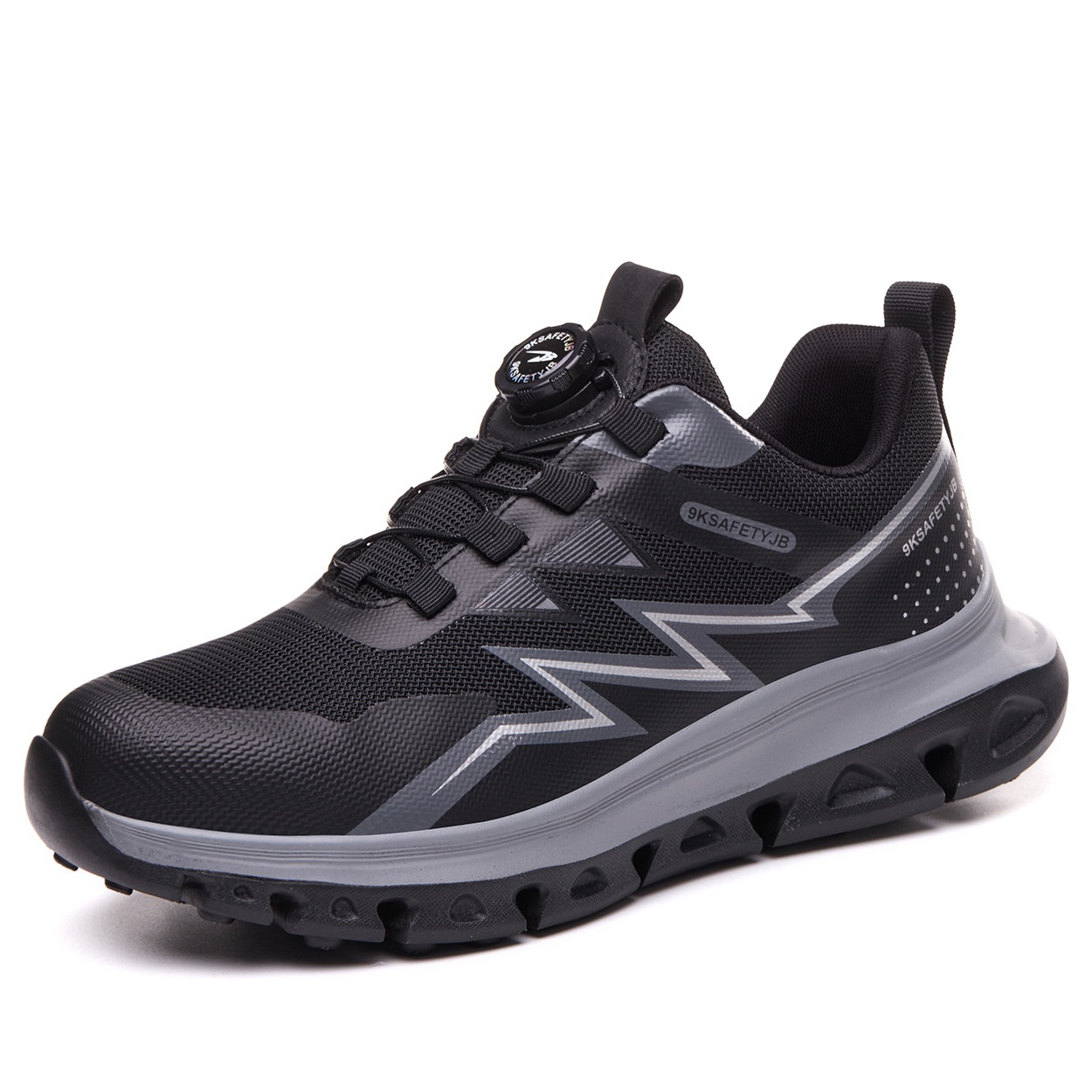
Men's Safety Shoes Ladle Head Toe Puncture-Proof Lightweight Mesh
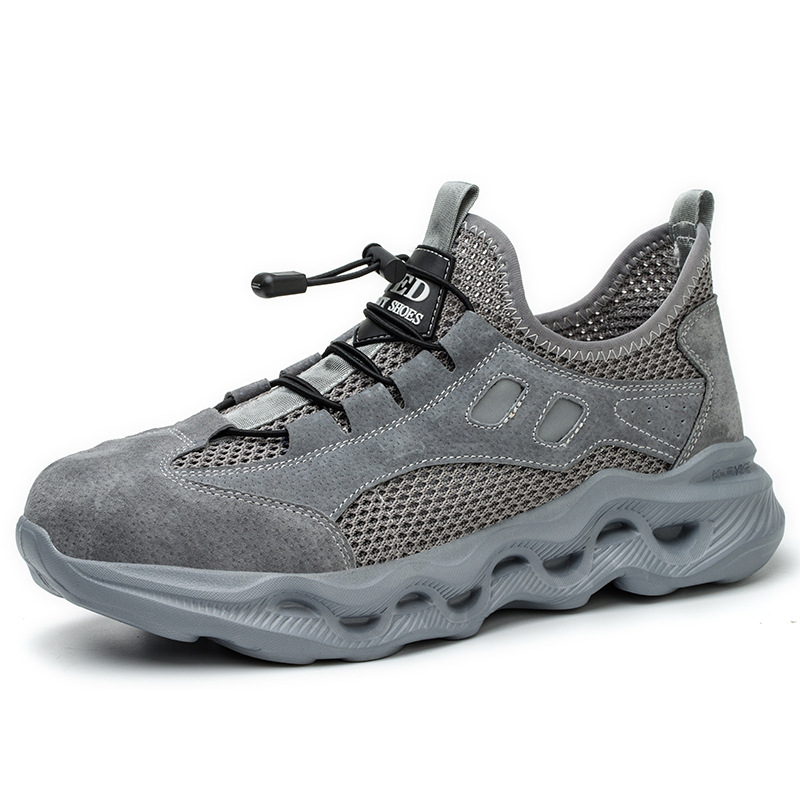
Men Steel Toe Safety Shoes Crush Resistant Suede Mesh EVA Sole
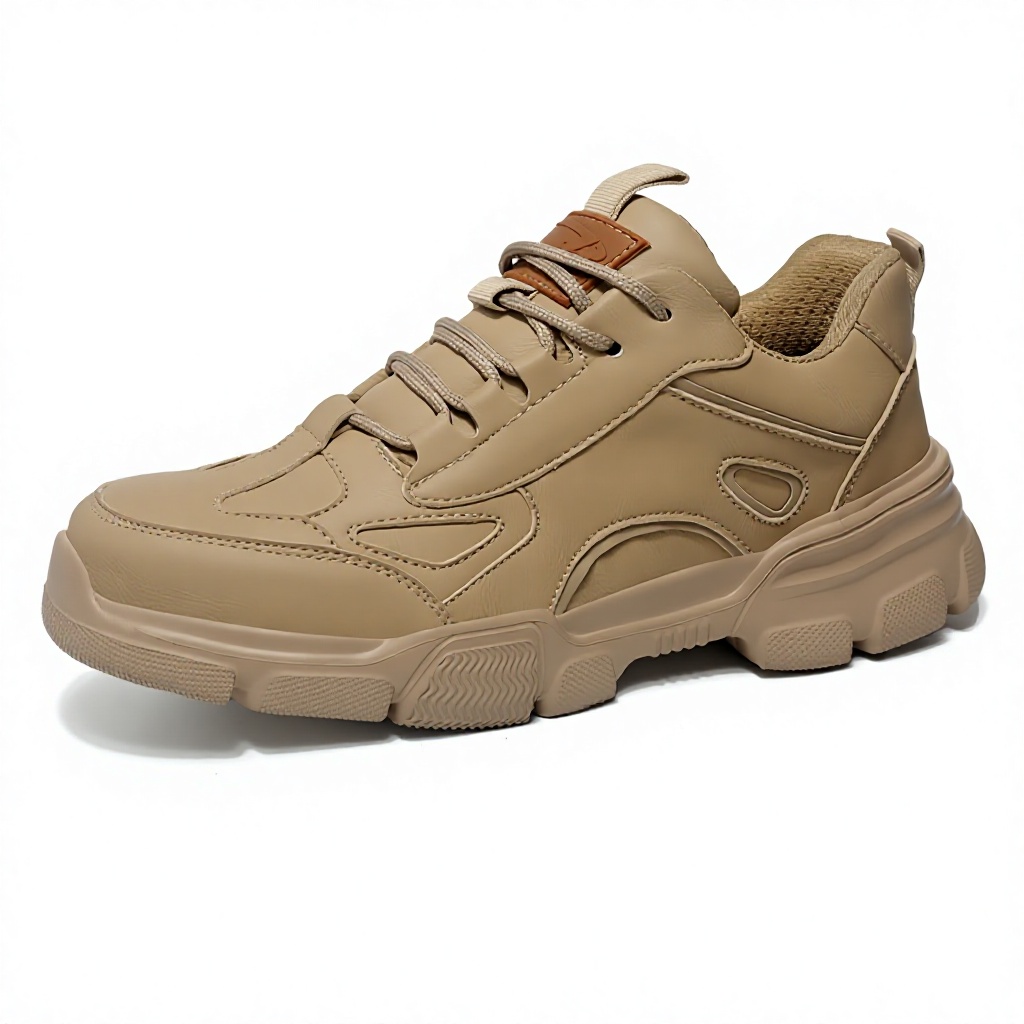
Men's Low Top Steel Toe Microfiber Upper Rubber Outsole Shoes
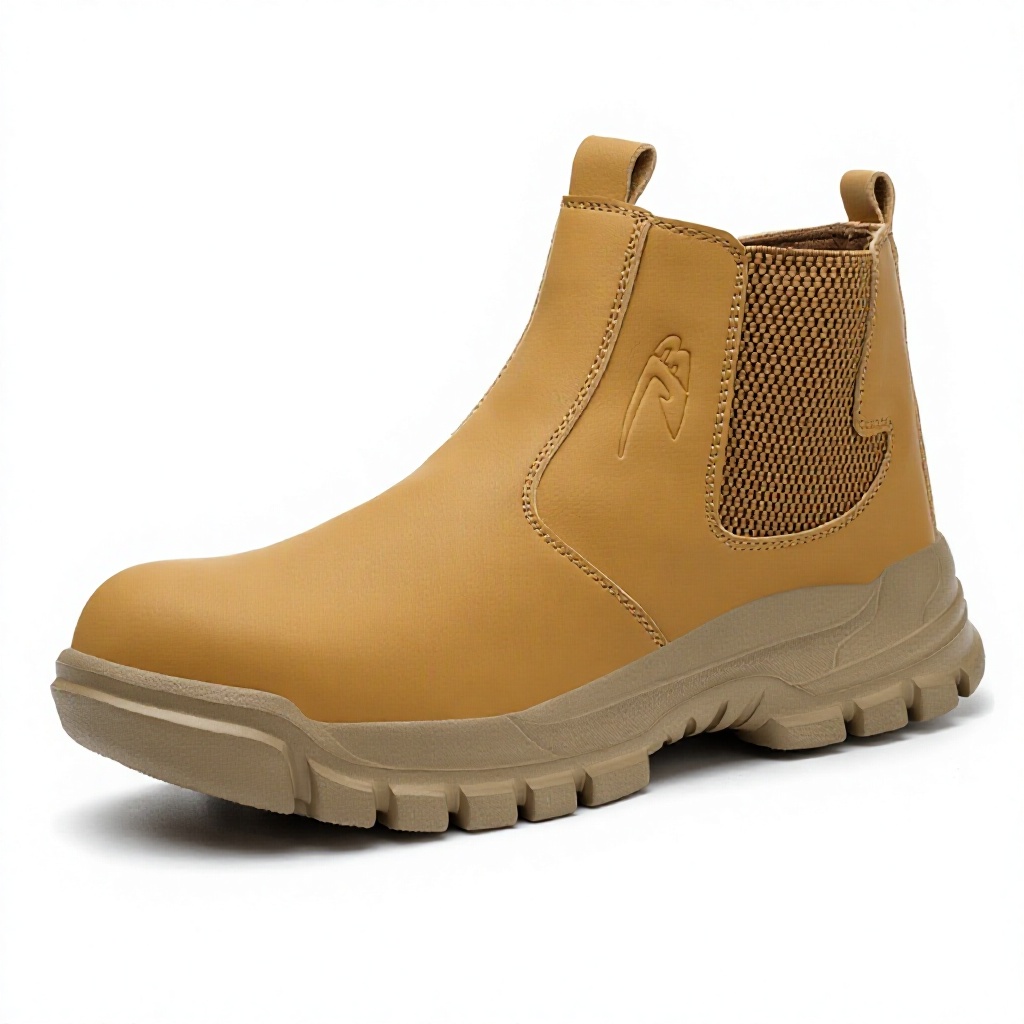
New High-top Microfiber Leather Steel Toe Water-repellent Safety Boots
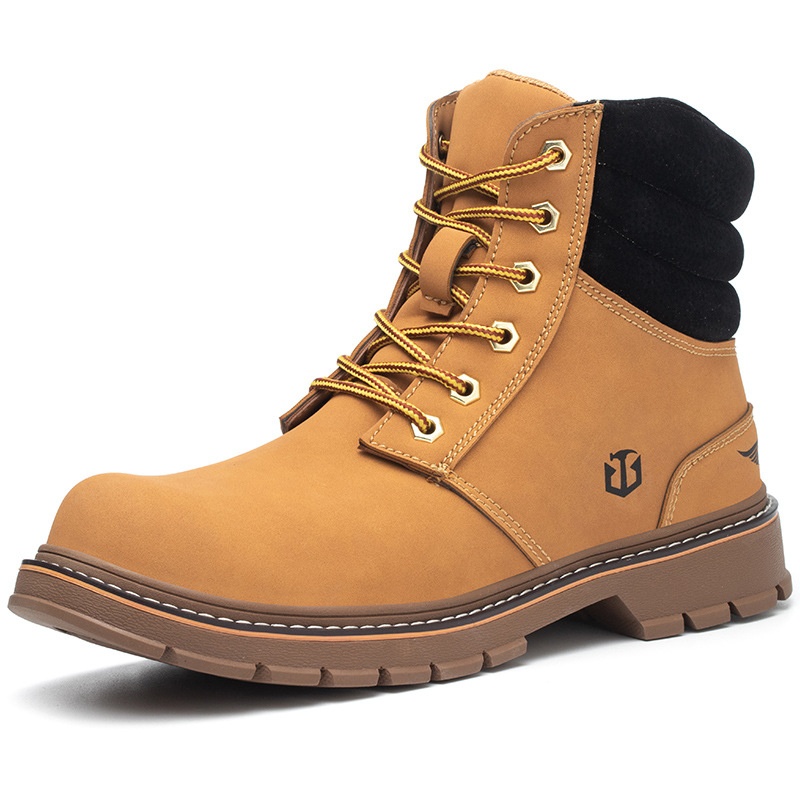
High-top Microfiber Leather Non-slip Tendon Sole Impact-Resistant
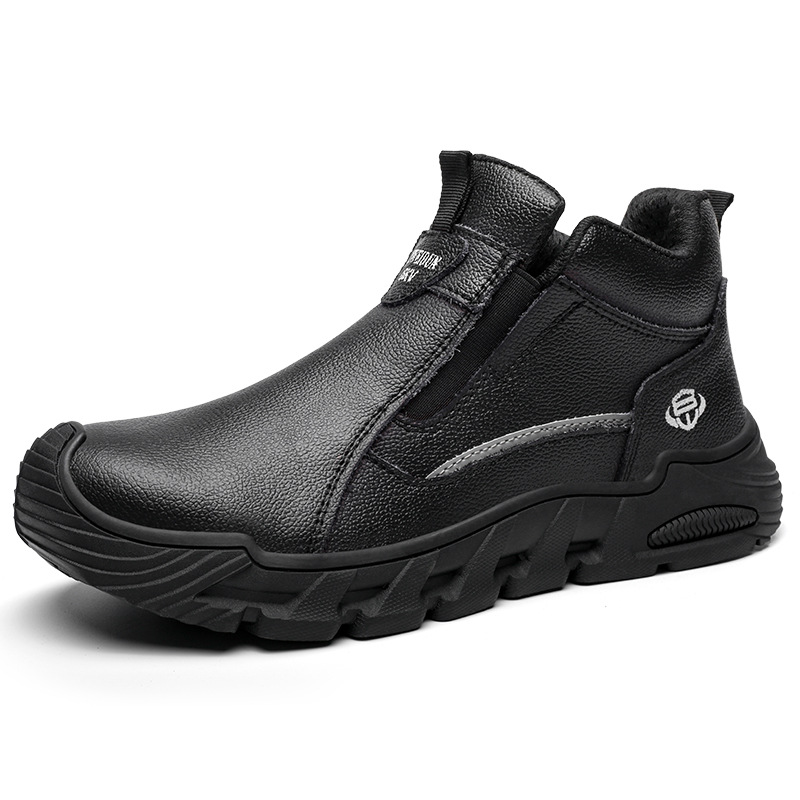
Waterproof Cowhide Upper Insulated Boots Composite Plastic Toe
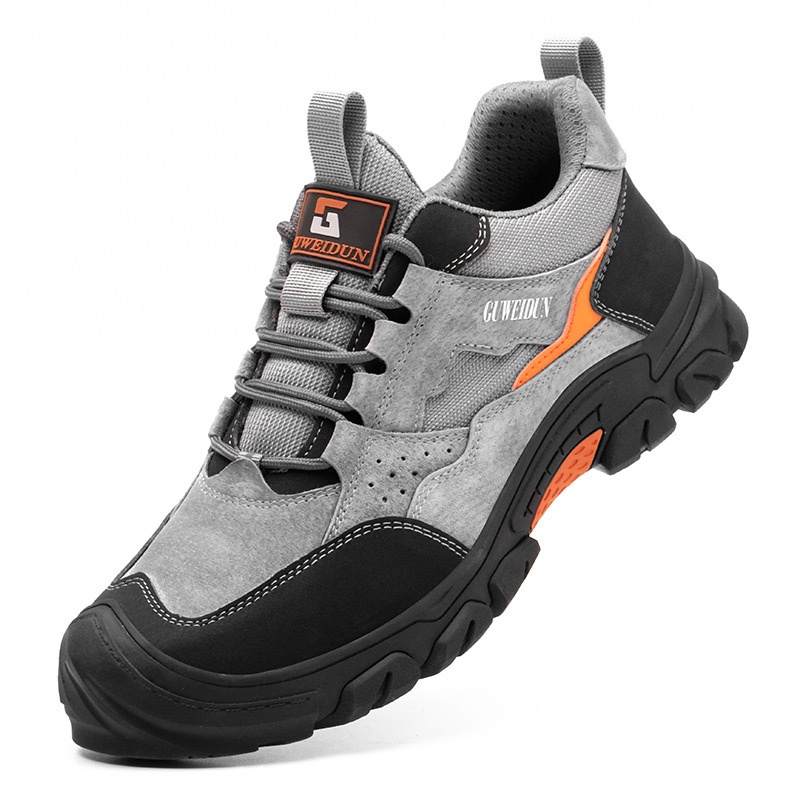
Safety Shoes Puncture-proof Cowhide Upper Lightweight Low-top
Technical Whitepaper: Field Applications
Nicaraguan Extractive Environments: Footwear Engineering Dynamics
The geographical topography of the Republic of Nicaragua presents severe challenges to occupational foot protection. Mining operations primarily center on the Central Highlands and the Autonomous Regions of the Caribbean Coast (RACCN and RACCS). In regions such as Bonanza, Rosita, and Siuna (the historic "Mining Triangle"), and major commercial underground sites like La Libertad and El Limón, workforce safety gear is exposed to corrosive acidic runoffs, sharp silica-laden volcanic basalt, and hyper-humid microclimates. Standard retail work boots experience rapid delamination and hydrolysis within months.
Our manufacturing protocol directly solves these localized failure modes. By deploying Goodyear welted construction or high-pressure direct injection polyurethane-rubber (PU/Rubber) outsoles, our footwear resists aggressive subterranean slurry containing cyanide and mercury residues common to metallurgical leaching tanks. Deep lug tread geometries (greater than 5.5mm depth) prevent hazardous slips on steep inclines inside adits, declines, and open-pit saprolite clay surfaces.
Underground Shafts & Adits
Continuous exposure to mineralized groundwater demands sealed grain cowhide combined with non-wicking microfiber. The puncture-resistant steel or woven composite midsoles deflect sharp quartzite rockfalls and rusty mesh remnants.
Milling & Heavy Electromechanics
Ball mills and flotation plants create combined shock, crushing, and high-voltage hazards. Our non-conductive composite toe boots rated up to 18kV EH shield technical personnel working on high-draw slurry pumps.
Open-Pit Basalt Quarrying
Tropical precipitation turns unpaved access tracks into mud baths. High-abrasion dual-density rubber outsoles maintain superior traction and self-cleaning clearance while guarding ankles against rolling stone fractures.
Standardization & Compliance
Comparative Technical Evaluation Matrix
Empowering mining procurement executives with quantifiable specifications to minimize operational downtime and lost-time injuries (LTI).
| Performance Parameter | Commercial Mining Standard | Artisanal & Small-Scale (ASM) | Virtuous Industrial Specification |
|---|---|---|---|
| Toecap Impact Resistance | ASTM F2413 / EN ISO 20345 (200 Joules) | Often uncertified or basic steel (<100 J) | 200J ANSI/ASTM Certified Carbon Steel / Carbon Fiber |
| Puncture Protection Midsole | Kevlar / Steel Plate (1,100 N minimum) | Absence of internal puncture shield | Multi-layer Ballistic Aramid or Zero-Perforation Steel (≥1250 N) |
| Outsole Hydrolysis Resistance | Moderate (tested up to 6 months) | Poor (Accelerated decay under tropical heat) | Anti-Hydrolysis Polyether PU / High-Density Nitrile Rubber |
| Chemical & Fuel Resistance | ISO 20345 Clause 5.8.7 standard | Degrades rapidly in diesel & acids | Immersion-Grade Hydrocarbon & Dilute Acid Resistance |
| Dielectric / EH Protection | ASTM F2413-18 EH (18 kV, 60 Hz, 1 min) | Variable / Non-insulated | Dry Condition 18kV Electrical Hazard Isolation Available |
Strategic Market Outlook
Nicaragua's Mining Modernization & Safety Boot Demand Trends
Gold remains one of Nicaragua's leading export commodities. Under modern environmental and workplace oversight mandated by the Ministry of Energy and Mines (MEM) and the Ministry of Labor (MITRAB), major mining concessionaires are overhauling occupational safety and health standards. The transition from informal artisanal extraction toward structured industrial partnerships has driven a sharp demand increase for certified Personal Protective Equipment (PPE).
Procurement teams in Managua, León, and Chontales are shifting away from cheap, non-certified imports that lead to high injury rates and frequent replacement cycles. The current trend emphasizes composite-material toecaps that provide thermal neutrality under tropical ambient conditions, avoiding the heat retention common to conventional steel caps. Furthermore, our implementation of anti-fatigue memory polyurethane footbeds reduces lower-back strain during long 12-hour shifts inside subterranean declines.
Standardization by Concessionaires
International mining consortia operating in Nicaragua require contractors to supply boots verified with accredited laboratory test certificates (SATRA, SGS, TÜV), eliminating substandard counterfeits.
Ergonomics & Climate Adaptation
High relative humidity (often exceeding 85%) leads to skin maceration. Breathable moisture-wicking linings paired with waterproof cowhide keep workers comfortable and focused on hazard prevention.
Supply Chain Resilience & Incoterms
Disruptions in maritime shipping emphasize the value of predictable container delivery to Puerto Corinto (Pacific) and Puerto Cabezas (Caribbean), supported by flexible terms (FOB, CIF, DDP).
Institutional Capabilities
Why Major Mining Groups Partner With Us
Direct manufacturer reliability, end-to-end quality assurance, and high-volume supply capability.
Strict Batch Quality Locking
We do not swap raw materials between production runs. Approved top-grain leathers, certified toe caps, and outsoles are locked into your technical specification file, guaranteeing repeat orders match sample quality.
Third-Party Tested & Certified
Every shipment is accompanied by authorized test documentation matching target market standards: ASTM F2413-18, EN ISO 20345:2022, and CE mark clearances required by international audit committees.
Comprehensive OEM/ODM Engineering
Customization covers embossed brand insignia, custom laser-etched outsoles, dual-dial quick lacing systems, fire-resistant Kevlar stitching, and dedicated chemical-resistant rubber formulations.
Procurement FAQs
Frequently Asked Questions by Mining Buyers in Nicaragua
Practical answers covering international logistics, compliance standards, and supply contract structures.
What specific safety footwear certifications are required for mining tenders in Nicaragua?
Under Nicaragua's occupational safety regulations and standard mining concession agreements, safety boots must conform to either ASTM F2413 (standard in Central America) or EN ISO 20345 (European equivalent). Essential requirements include Class 75 impact and compression resistance (200 Joules), puncture-resistant plates capable of deflecting 1,100 Newtons, and verified oil/slip-resistant outsoles. For wet and underground processing applications, waterproof ratings (WR) and anti-hydrolysis certifications are mandatory.
What are the optimal Incoterms and primary discharge ports for shipping boots to Nicaragua?
We support flexible trade terms including FOB, CIF, and DDP. For operations on the Pacific coast, León, or Managua, full container loads (FCL) or less-than-container loads (LCL) are typically discharged at the Port of Corinto. For mining consortia operating in the North Caribbean Coast Autonomous Region (RACCN), such as Bonanza or Siuna, shipments can be routed via Puerto Cortés (Honduras) with bonded overland transit or direct maritime routing to Puerto Cabezas.
Should our site select steel toe caps or composite non-metallic caps?
Steel toe caps offer maximum impact resistance with a slimmer physical profile, making them ideal for heavy mechanical maintenance and surface quarrying. Non-metallic composite caps (carbon fiber or fiberglass) are lighter, non-conductive, and do not transfer cold or heat in humid underground shafts. Composite boots also avoid triggering security metal detectors around precious-metal recovery circuits and smelting plants.
How do your boots prevent early outsole degradation in gold processing plants?
Gold processing involves cyanide leaching solutions, sulfuric acid, and lime slurry. Standard polyurethanes degrade rapidly under these conditions. We supply safety boots engineered with nitrile rubber outsoles or dual-density PU/Rubber blends vulcanized to ensure molecular density. This construction provides resistance to fuel, oil, dilute acids, and surface temperatures up to 300°C.
What are the minimum order quantities (MOQ) and lead times for OEM private label orders?
Our standard production MOQ is 500 to 1,000 pairs for custom-branded footwear (including customized embossing, specialized woven labels, and custom packaging). Standard production lead times run between 30 and 45 days after prototype sign-off, with advance sample dispatch via air courier for physical testing at your mine site prior to mass production.