Industrial-Grade Puncture Resistant Safety Footwear
Certified penetration protection featuring non-metallic composite and high-tensile steel midsoles engineered for construction, heavy logistics, and the rigorous iron quadrangle extraction sectors.
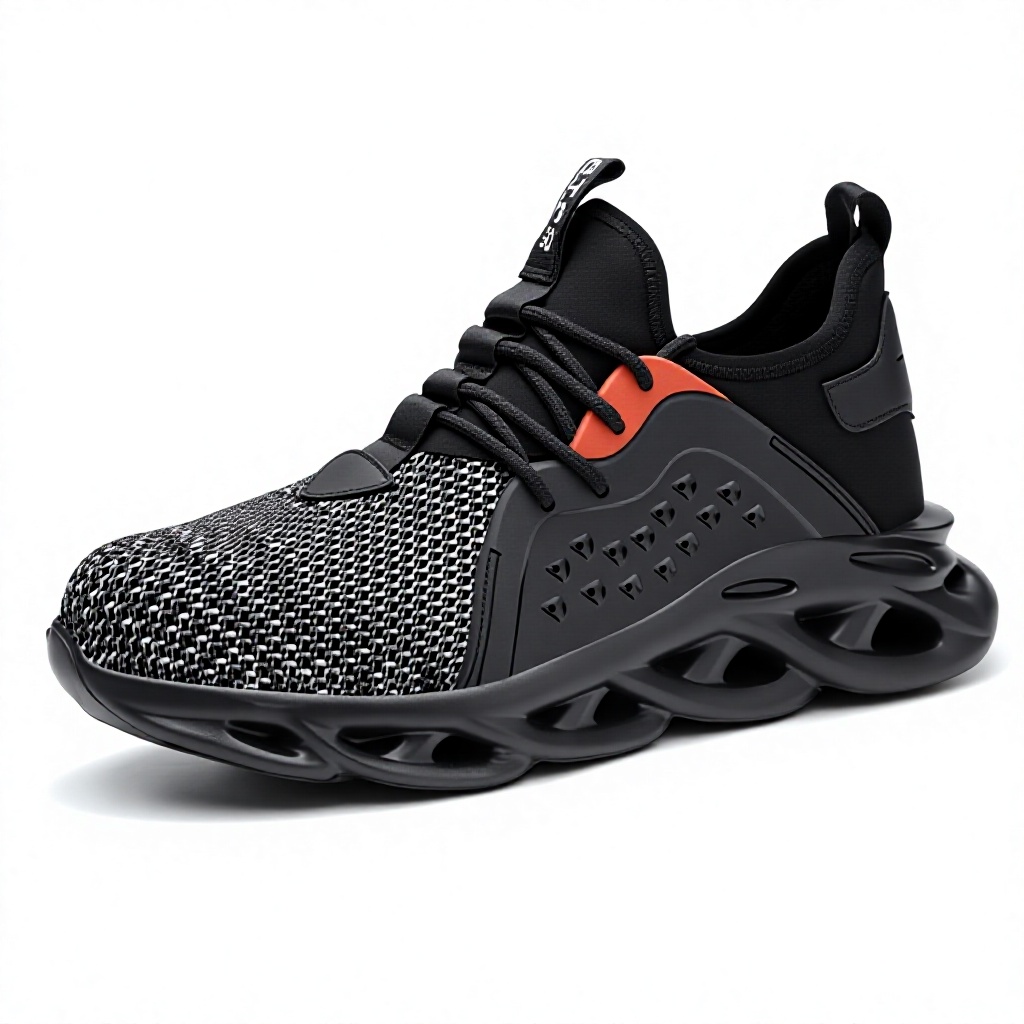
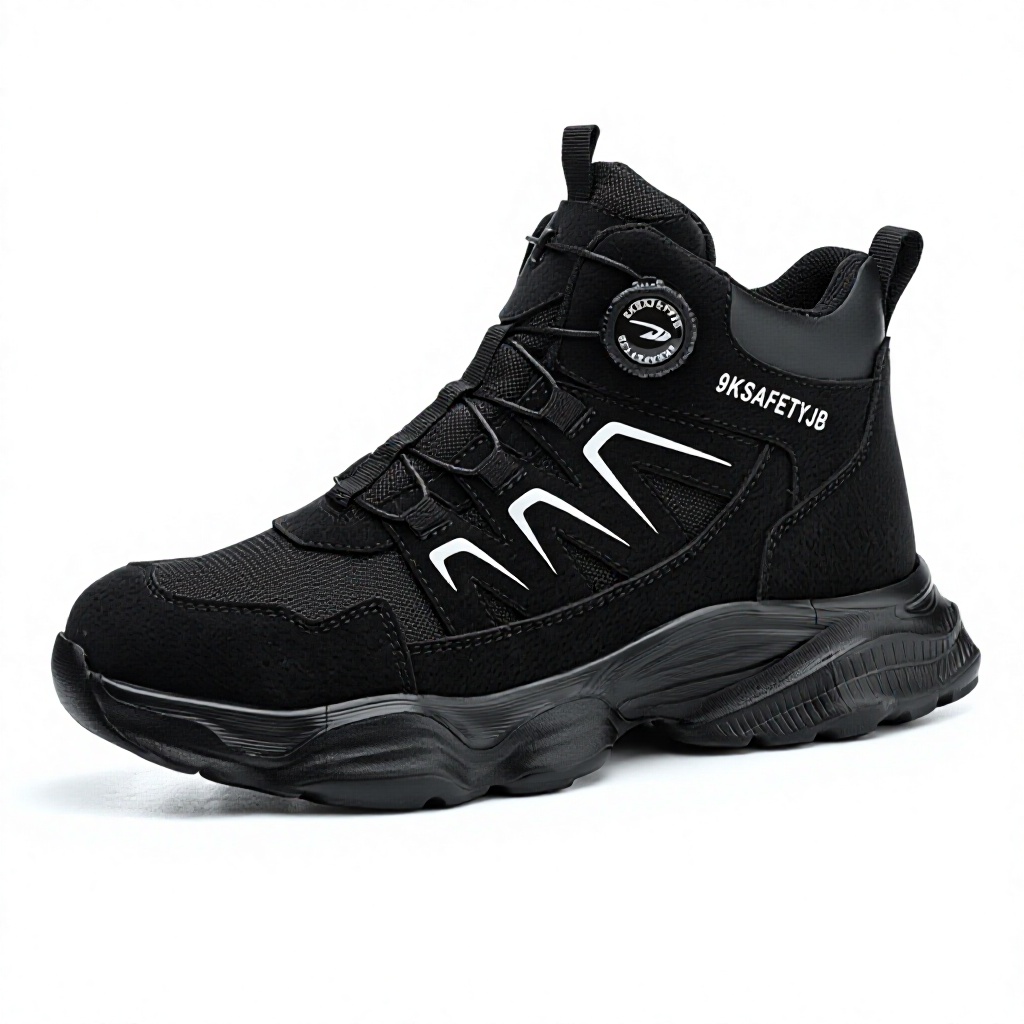
Men's High Top Steel Toe Cap Safety Shoes-Puncture-Proof Microfiber Leather Upper Durable Rubber Outsole All Seasons
Get a Quote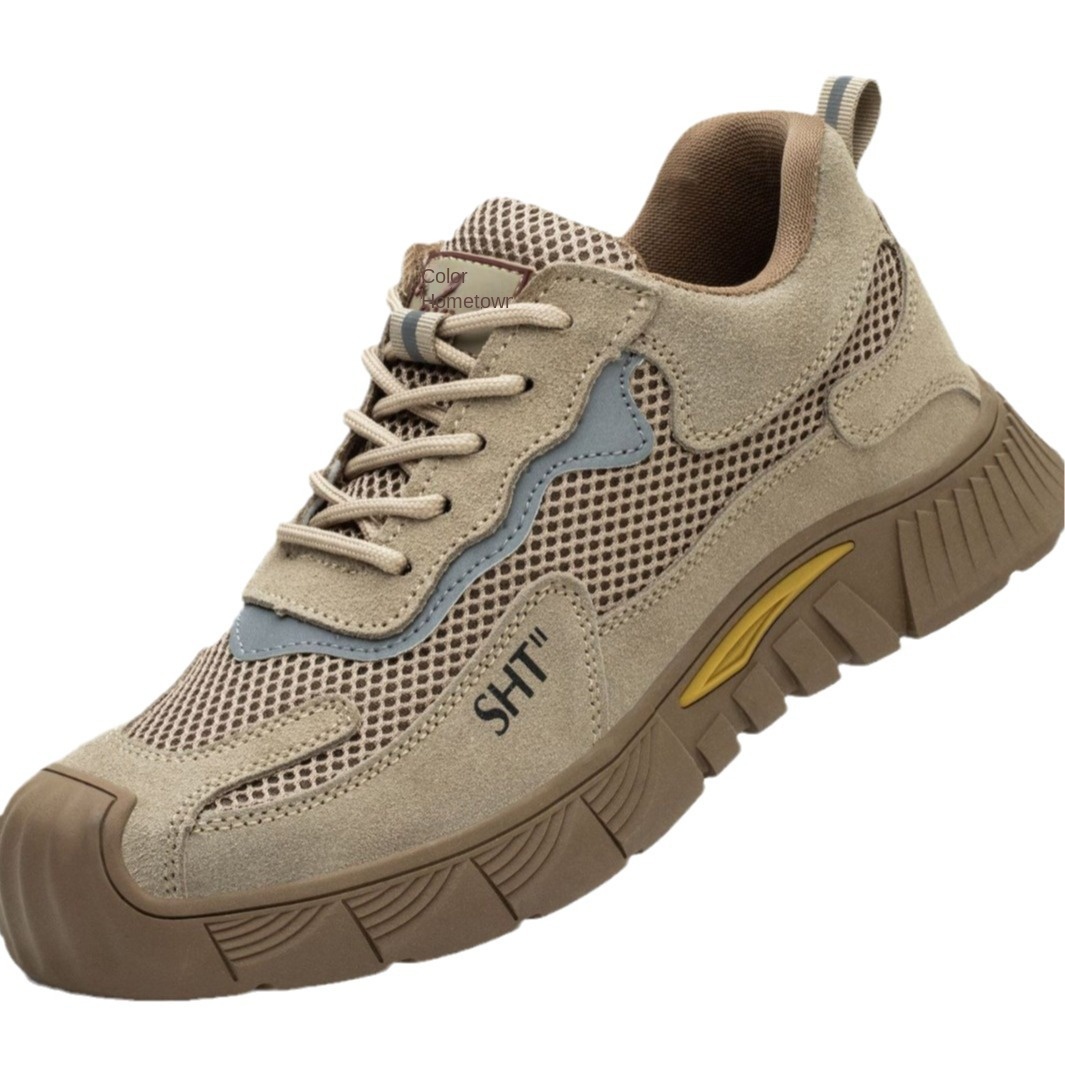
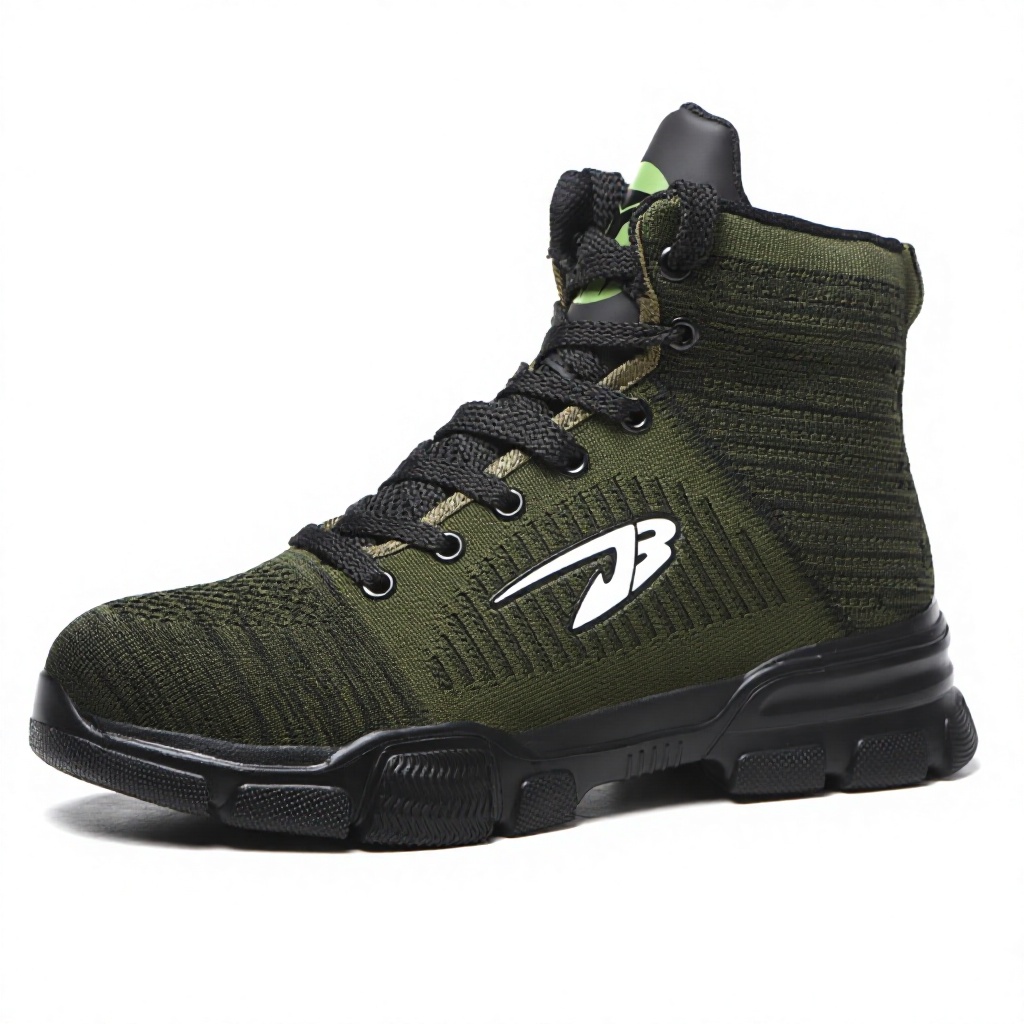
Men's High Top Steel Toe Cap Labor Protection Shoes for Upper Rubber Outsole All Seasons Architectural Industry Use
Get a Quote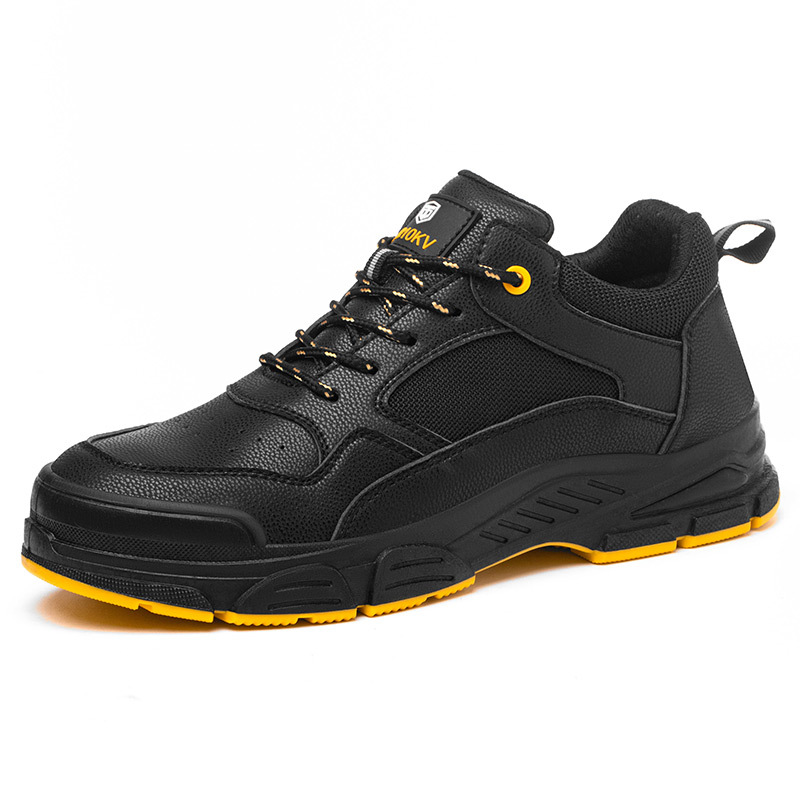
Electrician's Foot Guard Safety Shoes Insulated Breathable Deodorizing Puncture-Proof Microfiber Leather Work Boots
Get a Quote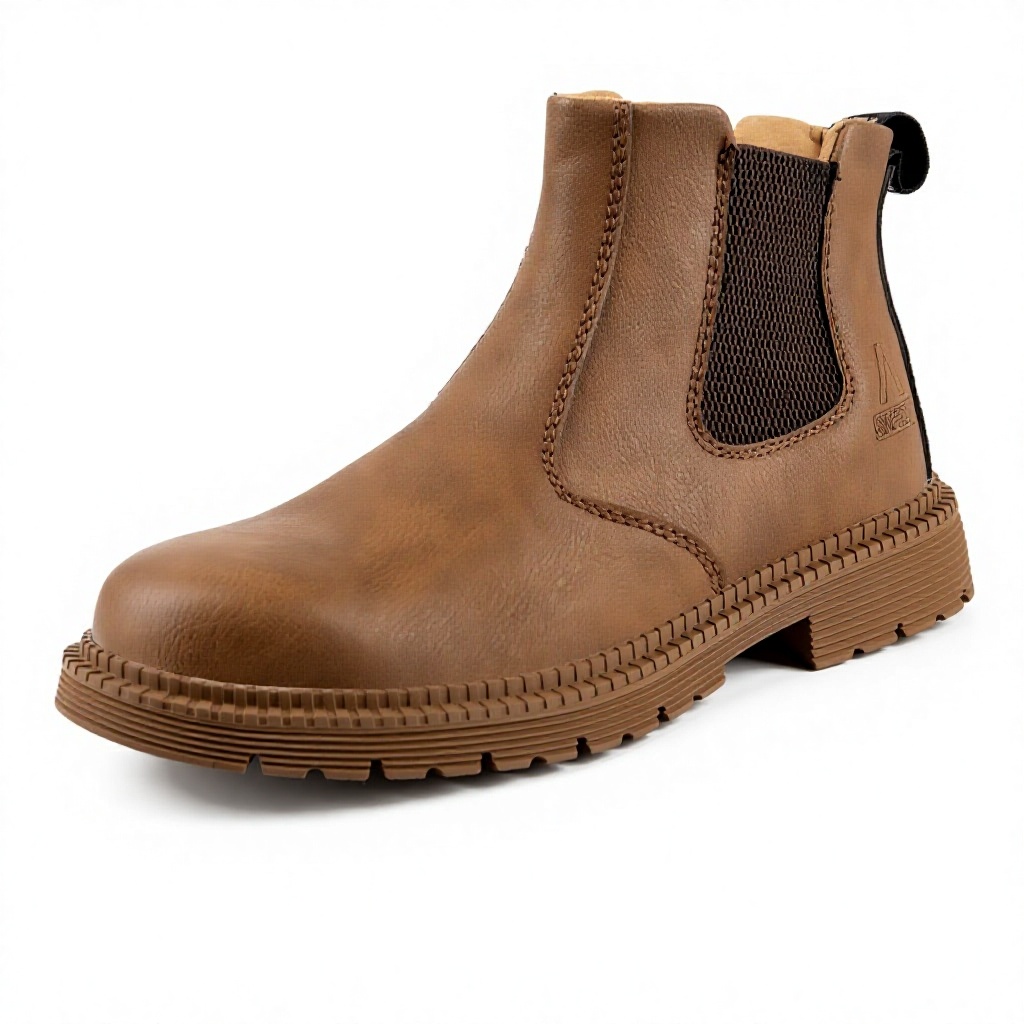
Men's Steel Toe Anti-Smashing Anti-Puncture Microfiber Leather Durable Lightweight Comfortable Breathable Safety Shoes
Get a Quote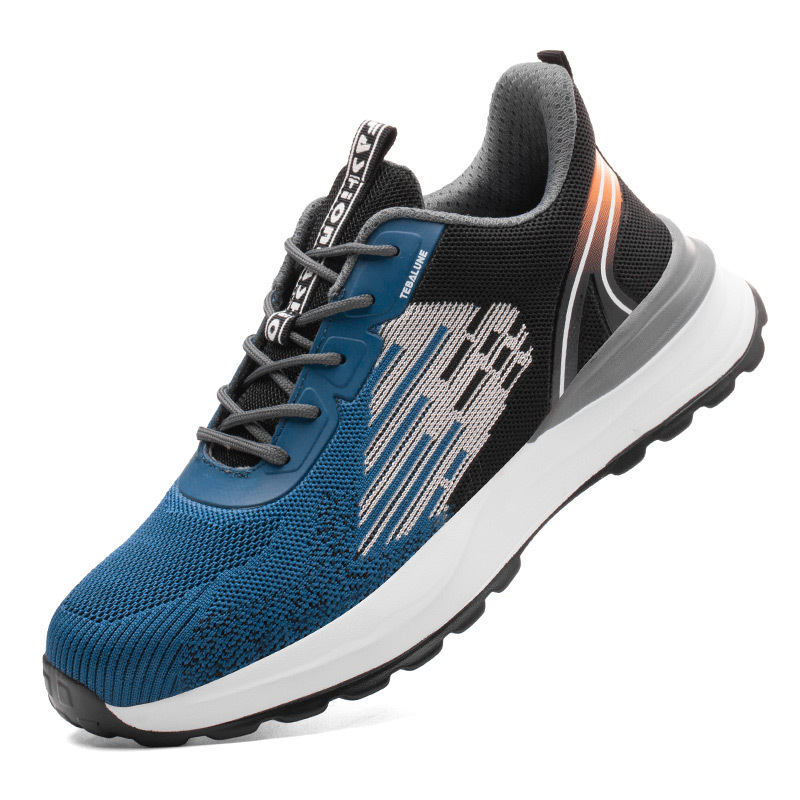
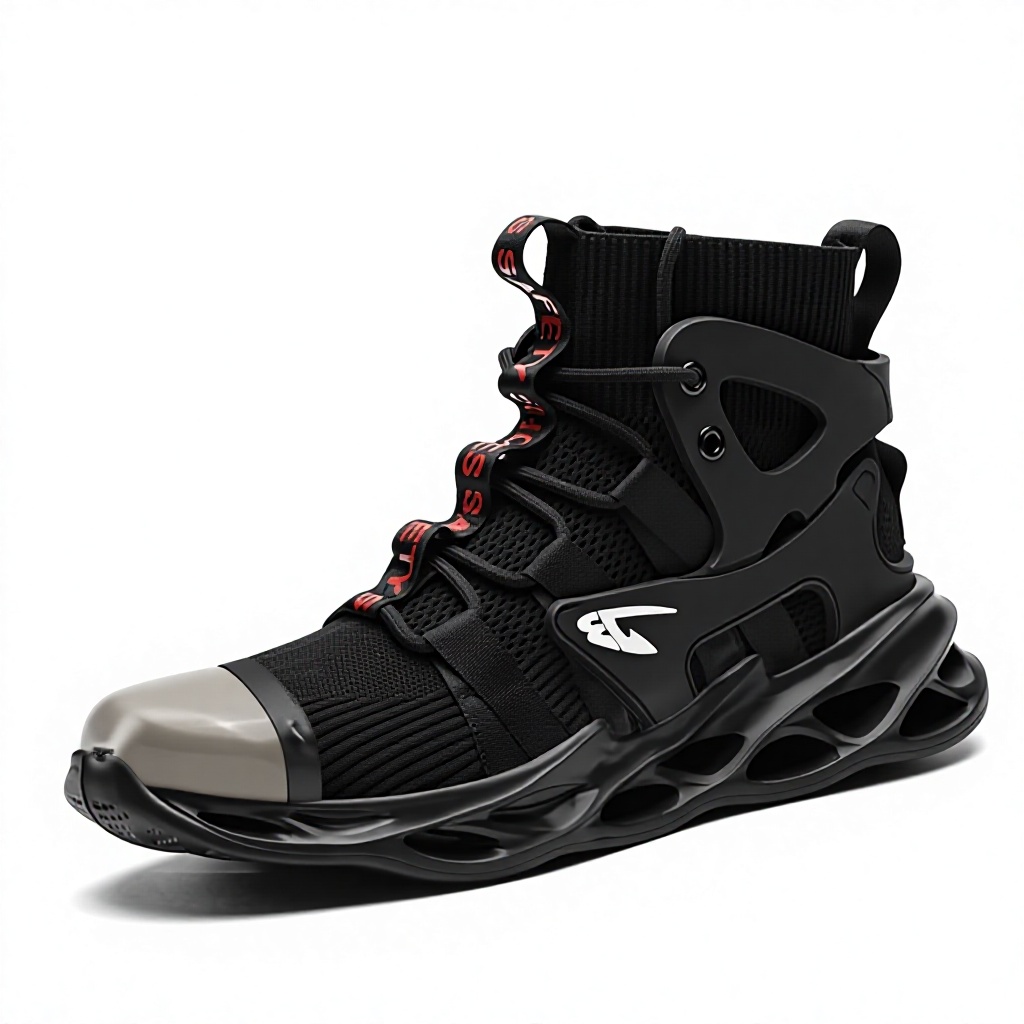
Safety Shoes Men's Anti-smashing Anti-puncture Steel Toe High-top Flying Mesh Upper EVA Sole for Architectural Industry
Get a QuoteMinas Gerais Industrial Footwear Engineering Dynamics
Procuring protective footwear for the Belo Horizonte industrial ring requires precise mechanical parameters adapted to high abrasive stress, intense heat, and severe underfoot puncture hazards.
The Iron Quadrangle Substrate Stress
Belo Horizonte sits at the heart of Minas Gerais’ mining and processing hub. The ground substrate across regional iron ore mines, quarries, and surrounding construction corridors consists of hyper-abrasive quartzites and razor-sharp ironstone tailings. Standard industrial outsoles deteriorate quickly under these conditions. Our puncture-resistant footwear integrates high-density vulcanized rubber or dual-density polyurethane (PU/Rubber) outsoles calibrated to resist tear, oil immersion, and hydro-carbon degradation while safeguarding anti-penetration layers from bottom-up friction.
Contagem Industrial District Logistics
Within Greater Belo Horizonte's logistics capital—Contagem—dock crews, staging personnel, and cross-docking operators walk an average of 14,000 to 22,000 steps daily across concrete flatwork littered with broken wooden pallets, high-tensile steel strapping, and discarded drywall screws. Equipment for this segment must balance puncture resistance (≥ 1,100 N) with advanced ergonomic footbeds, breathable flying mesh, and low-profile microfiber leather to minimize plantar fasciitis and long-shift fatigue.
Betim Automotive & Heavy Fabrication
The metallurgical, stamping, and automotive clusters centered around Betim demand boots engineered with dual protection vectors. Dropped stamping scrap, steel swarf, and metal burrs pose intense puncture risks both through the sole and across the instep. In response, our high-top models incorporate puncture-resistant midsoles paired with widened composite or alloy toe caps, shielding against lateral impingement, hot metal chips, and high-load mechanical compression.
Penetration Protection Architecture: Steel vs. Composite
Choosing the correct puncture-resistant barrier depends heavily on electrical conductivity requirements, flexibility needs, and local regulatory protocols under Brazilian labor framework.
| Mechanical Parameter | High-Tensile Stainless Steel Plate | Non-Metallic Aramid / Composite (Kevlar) | Engineering Impact for Belo Horizonte Workplaces |
|---|---|---|---|
| Puncture Force Resistance | ≥ 1,100 N (Pointed nail test) | ≥ 1,100 N (Zero-penetration mesh) | Both options satisfy ABNT NBR ISO 20345 guidelines; composite provides edge-to-edge lasting margin. |
| Thermal & Electrical Conductivity | Thermally conductive; conductive to electric arcs | 100% Non-conductive; thermal insulator | Composite is critical for substations, industrial maintenance, and electrical engineering operations across Minas Gerais. |
| Sole Flexibility & Mass | Rigid torsional structure; higher gross mass | High longitudinal flexibility; up to 40% lighter | Aramid fabric reduces fatigue for logistics personnel walking long shifts across industrial distribution hubs. |
| Corrosion & Acid Resistance | Susceptible to micro-oxidation in acidic sludge | Inert to moisture, mineral acids, and alkalis | Superior lifespan in tailing filtration sites, concrete slurry casting, and humid excavation environments. |
Minas Gerais Procurement Compliance (NR-6 & CA Traceability)
Procuring Personal Protective Equipment (EPI - Equipamento de Proteção Individual) in Brazil requires navigating specific regulatory and customs frameworks.
Certificado de Aprovação (CA)
Under Brazilian standard NR-6, all protective footwear used on job sites must hold a valid Certificado de Aprovação issued by the Ministry of Labor and Employment. When supplying Belo Horizonte distributors, we supply complete ISO/IEC 17025 certified laboratory test batches, technical dossiers, and material certifications that allow our OEM/ODM brand partners to secure or renew their commercial CA registrations without friction.
ABNT NBR ISO 20345 Protocols
Our boots are tested according to ABNT NBR ISO 20345 standards, meeting international requirements for protective work footwear. Key ratings include SBP and S1P (basic safety toe plus anti-puncture plate), S3 (adding water-resistant leather uppers and cleated soles), and SRC (slip resistance verified across both ceramic tile with SLS solution and steel flooring with glycerol lubricants).
Clearance via Santos & Dry Ports
Minas Gerais cargo typically arrives through the Port of Santos or direct intermodal bonded depots like the Dry Port of Betim (Porto Seco Centro-Oeste). We provide accurate Harmonized System documentation (HS Code 6403.40 / 6402.91), certified bills of lading, and verified packing lists to prevent clearance bottlenecks and ensure predictable delivery timelines for local safety footwear distributors.
Manufacturing Infrastructure & Technical Capabilities
We operate vertically integrated production lines capable of supporting tier-one Brazilian footwear brands, regional EPC contractors, and safety supply distributors.
Direct Injection Dual-Density PU/PU & PU/Rubber
Our facilities employ advanced Desma direct-injection machines that bond the upper directly to the outsole without glue lines. This eliminates sole separation in humid civil construction trenches or oily metal stamping facilities across Minas Gerais, ensuring long-term adhesion that outlasts cemented footwear.
OEM / ODM White-Label Customization
We tailor safety boot designs for local Brazilian brands. Custom options include embossed uppers, branded outsoles, custom insole graphics, multi-language retail packaging, and specialized sizing designed specifically for Brazilian foot ergonomics (BR 36 through BR 46).
Certified Batch Testing Laboratory
Every production run undergoes in-house verification before shipping. We test toe-cap impact resistance (200 Joules drop tower), midsole puncture force (≥ 1,100 N penetration speed test), flex endurance (150,000 continuous cycles), and upper leather tear strength to ensure dependable, out-of-the-box compliance.
Frequently Asked Questions for Belo Horizonte Buyers
Real-world technical and logistical answers for corporate procurement specialists, EHS managers, and footwear distributors across Minas Gerais.
How do composite midsoles compare with steel plates in hot climates?
In hot environments like northern Minas Gerais, steel plates conduct thermal energy from baking asphalt or hot plant floors into the footbed. Composite woven fabric plates (such as Kevlar/aramid) provide complete thermal insulation while delivering edge-to-edge nail penetration protection across the full width of the foot.
Can we purchase under our own brand with Certificado de Aprovação support?
Yes. We operate as an OEM/ODM manufacturer for several established safety brands. We supply certified technical specification sheets, component certificates, and sample lots tested to ABNT NBR ISO 20345 standards, allowing your organization to complete domestic Brazilian CA filings seamlessly.
What are the typical Incoterms and shipping lead times to Minas Gerais?
We work under FOB (major ports in China), CIF Santos, or DDP through select freight partners. Ocean transit to Santos typically runs 32 to 42 days, followed by customs clearance and bonded road transit to Betim, Contagem, or Belo Horizonte metro distribution centers.
Which models are recommended for civil construction vs. electrical utilities?
For general civil construction, our low-top breathable steel-toe or high-top microfiber models with steel or aramid midsoles provide optimal mechanical defense. For CEMIG electrical contractors and substation operations, our dielectric-rated insulated safety boots feature 100% metal-free composite toe caps and aramid penetration barriers.
How do you handle size conversions between European, US, and Brazilian sizing?
Brazilian footwear sizing (Ponto Francês) is offset by two sizes from standard European scales (for example, EU 42 corresponds roughly to BR 40). We build tooling to exact Brazilian anthropometric lasts, guaranteeing an anatomical fit across toe-box volume and instep girth.
What is the minimum order quantity (MOQ) for custom brand runs?
Standard OEM private label production runs start at 500 to 1,000 pairs per style across mixed size distributions. For established container procurement programs (FCL 20GP or 40HQ), we provide dedicated mold customization, branded outsoles, and volume discounting.