Featured Installation Gear & High-Voltage Safety Products
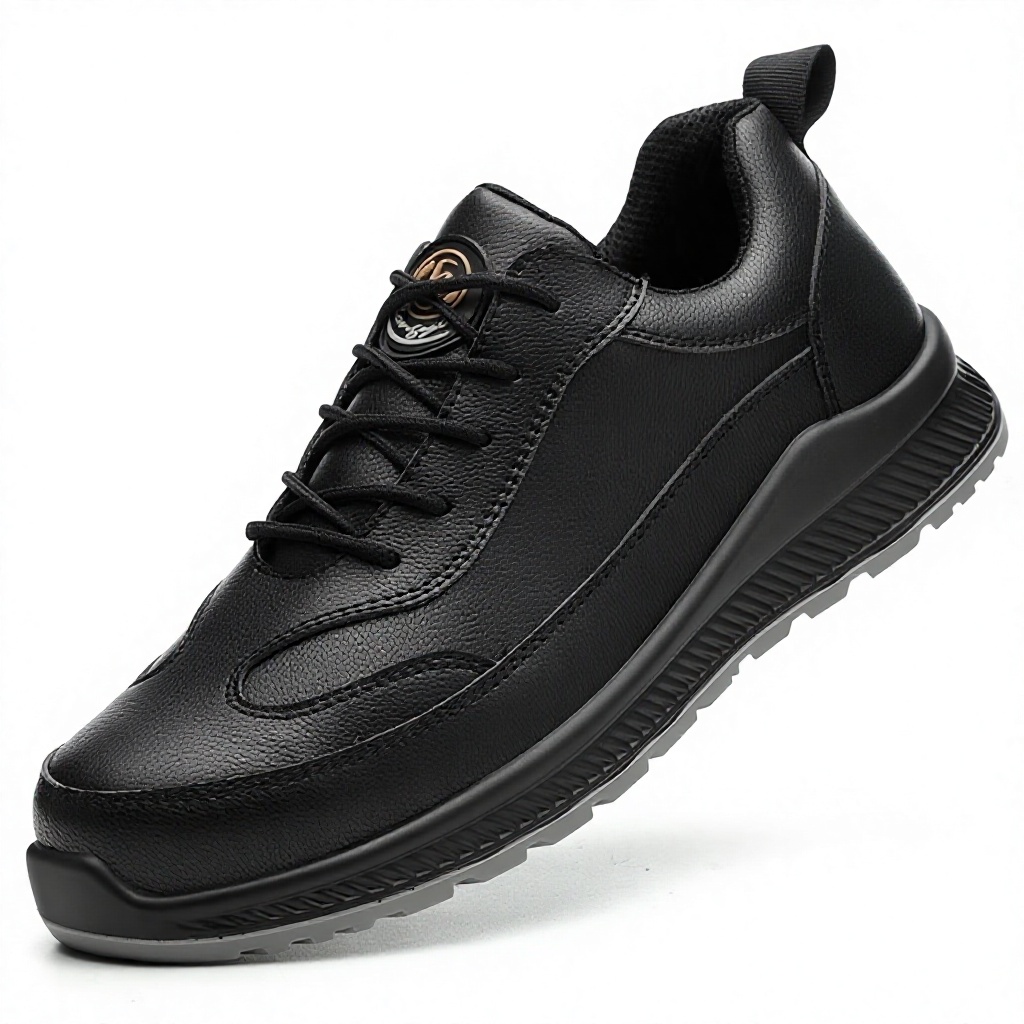
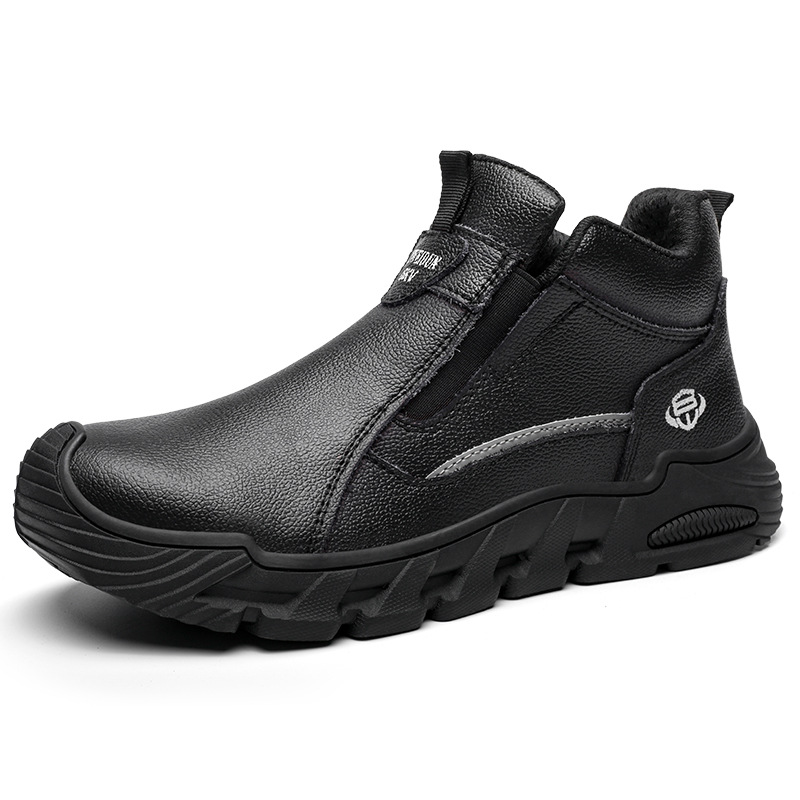
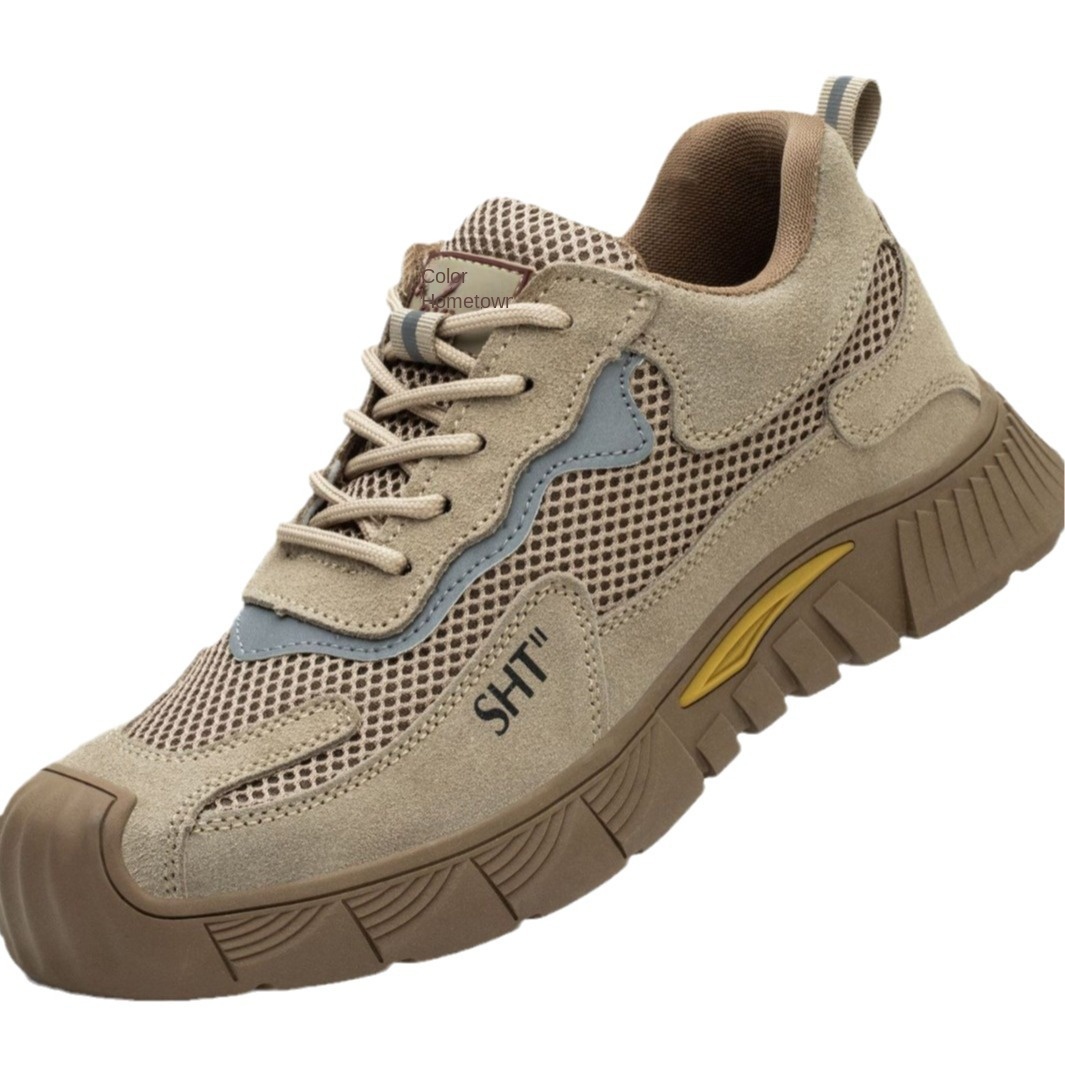
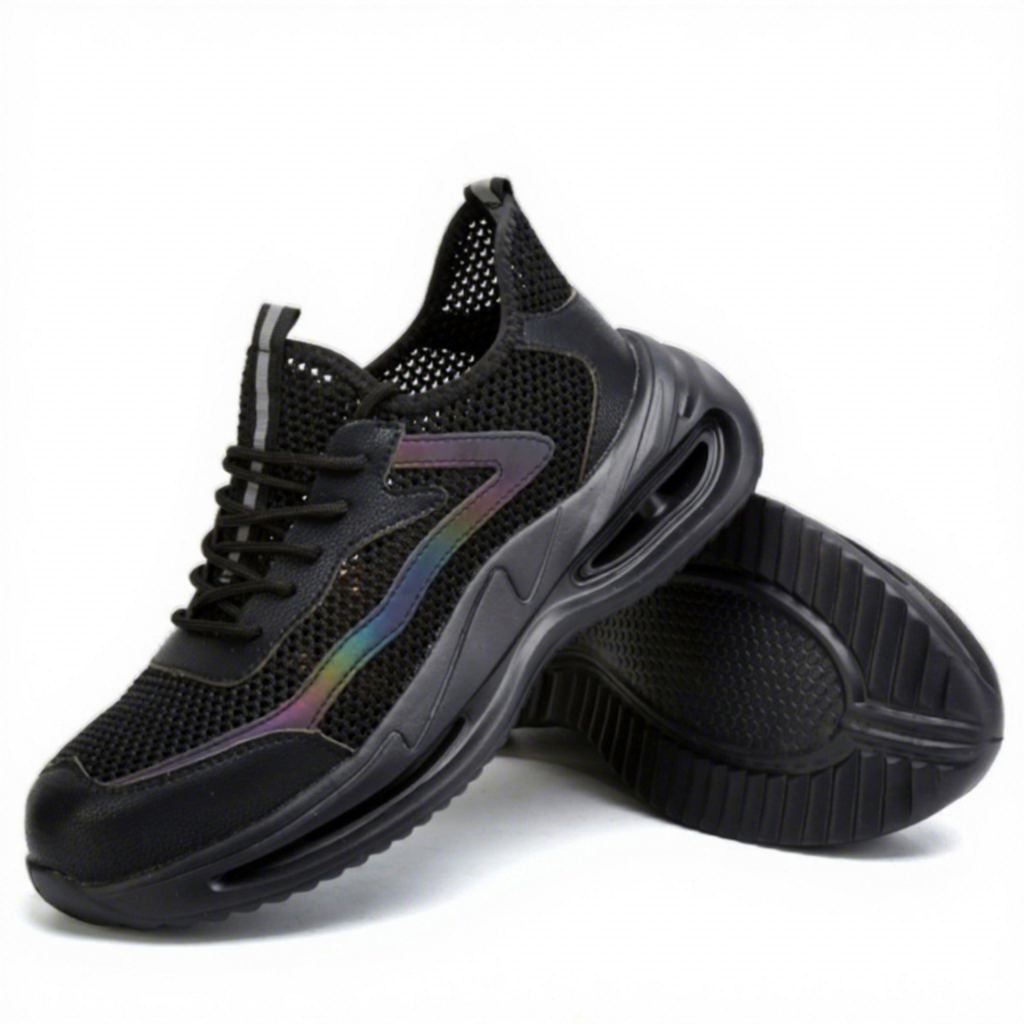
Deploying high-voltage solar battery packs across Manama and Bahrain requires certified protective gear and electrician insulation solutions. Here are the 8 key certified personal safety items engineered for substation commissioning, utility-scale maintenance, and high-temperature field operations.
Solar Battery Pack Architecture for Manama's Extreme Ambient Profiles
Deploying battery energy storage systems (BESS) in the Gulf Cooperation Council (GCC) environment, specifically within the Capital Governorate of Manama, demands an engineering approach that accounts for sustained 50°C summer ambients, airborne coastal salinity, and rigorous Electricity and Water Authority (EWA) grid connection standards.
LiFePO4 Chemistry Thermal Stability
Lithium Iron Phosphate (LFP) operates with an intrinsic thermal runaway threshold of approximately 270°C, compared to 150°C for traditional NMC chemistries. In high-ambient operational zones such as the Sitra Industrial Basin or Mina Salman, LFP ensures uncompromised chemical safety during extended charge-discharge cycles under direct solar radiation.
Liquid Cooling vs. Air HVAC
Standard forced-air cooling struggles when Gulf outdoor air temperatures hit 48°C to 52°C, inducing auxiliary parasitic loads that erode round-trip efficiency (RTE). Virtuous liquid-cooled BESS cabinets employ closed-loop ethylene-glycol circulation directly across cell contact plates, maintaining internal temperature deviation under ≤ 3°C to suppress capacity fading.
EWA Interconnection Compliance
Grid-tied industrial and commercial storage within the Kingdom of Bahrain must adhere strictly to EWA Technical Regulations for Renewable Energy Systems. Our systems integrate bidirectional Power Conversion Systems (PCS) equipped with low-voltage ride-through (LVRT), reactive power dispatch, and IEEE 1547 / UL 1741-certified anti-islanding protection.
Engineered LiFePO4 Battery Storage Lines for Manama Distributors & EPCs
From decentralized residential backup in Amwaj Islands to multi-megawatt industrial demand reduction in Alba downstream zones, Jiaxing Virtuous Technology supplies precision-matched battery systems under ISO 9001 quality controls.

418 kWh Liquid-Cooled BESS Cabinet (BESS-L418)
Designed for large commercial complexes, supermarkets, and factory peak shaving. Features multi-level BMS, built-in aerosol fire suppression, and smart liquid HVAC.

261 kWh Liquid-Cooled Outdoor Unit (BESS-L261)
Compact footprint ideal for urban retail hubs and commercial rooftops in Seef District. Modular layout allows parallel coupling up to several megawatt-hours.

5,016 kWh High-Voltage Container (BESS-C5016)
20-foot high-cube ISO containerized platform. 1500V DC bus architecture, integrated liquid thermal loops, F-gas/water deluge safety, and SCADA-ready EMS interface.

25 kWh Stackable Home Battery (HES-2505)
51.2V modular architecture coupled with a 5-10 kW hybrid inverter. Plug-and-play stacking for high-end villas across Riffa, Saar, and Janabiyah.
Application Scenarios Across the Kingdom of Bahrain
Bahrain's compact geographical footprint and high industrial density create unique grid dynamics. Solar battery packs are transforming operations across four core sectors in the Manama market.
1. Industrial Peak Demand Shaving
In heavy industrial corridors like Sitra Industrial Area and Alba downstream manufacturing clusters, electricity tariffs escalate during peak summer midday hours when air conditioning demand surges. Installing Virtuous 418 kWh and 261 kWh liquid-cooled BESS units allows industrial operators to charge during off-peak night cycles or from rooftop PV, discharging during peak tariff windows to slash maximum demand charges under Bahrain EWA commercial rates.
2. Port Logistics & Cold Storage Reliability
Mina Salman and the Khalifa Bin Salman Port in Hidd represent crucial maritime logistics conduits where uninterrupted power is non-negotiable for refrigerated container terminals and bonded cold-storage facilities. Containerized 5016 kWh LiFePO4 battery banks serve as instantaneous microsecond uninterruptible power supplies (UPS), ensuring critical temperature continuity without the latency or emissions of traditional diesel generators.
3. Luxury Residential Self-Sufficiency
High-consumption residential estates in Amwaj Islands, Durrat Al Bahrain, and Riffa Views feature substantial solar installations. Due to high nighttime air conditioning loads, solar self-consumption without storage remains below 35%. Pairing residential rooftop PV with Virtuous HES 15–25 kWh stackable 51.2V systems boosts solar utilization beyond 85%, providing silent night-time power and insulating homeowners against grid fluctuations.
4. Commercial Real Estate & Hospitality Resilience
In central Manama, hotels and commercial high-rises within the Seef District and Bahrain Bay face stringent carbon reporting obligations alongside demanding continuity needs. Compact all-in-one outdoor BESS units (such as the AIO-A241) allow building operators to shave transformer peak loads, defer expensive substation capacity upgrades, and provide emergency power for life-safety systems.
Bahrain's Renewable Transition & Storage Outlook
Under the Kingdom's National Renewable Energy Action Plan (NREAP) and Bahrain Economic Vision 2030, energy storage is evolving from an auxiliary asset into a vital grid-stabilization necessity.
Key Regulatory & Market Transformations in Manama
1. National Targets: The Kingdom has mandated that 5% of its total electricity mix be derived from renewable sources by 2025 (approximately 250 MW), rising to 10% by 2035. As solar penetration increases across public infrastructure, carports, and industrial roofs, intermittency management has prompted EWA to explore localized BESS deployment to prevent grid voltage instability.
2. Net Metering & Tariffs: EWA’s net metering policy allows commercial and residential solar producers to credit excess production. However, peak commercial tariffs mean that self-consuming stored solar during afternoon and evening peaks yields significantly higher economic returns than feeding power back to the grid at base tariff rates, accelerating the commercial ROI of 0.5C and 1C battery packs.
3. Severe Coastal Atmospheric Corrosion: Manama is situated on an island surrounded by the warm, hyper-saline waters of the Arabian Gulf. Atmospheric chloride deposition and relative humidity frequently exceeding 90% create harsh galvanic corrosion hazards. Energy storage enclosures must be treated with C4 to C5-M marine-grade anti-corrosion coatings, dual-seal EPDM gaskets, and IP54 minimum ingress ratings to achieve a 15-year field lifecycle.
Technical Selection Guide: BESS Architectures for Manama Deployments
| System Architecture | Cooling Technology | Recommended Scale | Optimal Application in Manama | Thermal Delta (ΔT) | Ingress & Corrosion Protection |
|---|---|---|---|---|---|
| C&I Cabinet (BESS-L418) | Liquid Cooling (Glycol Loop) | 418 kWh / 200 kW | Factories, Supermarkets, Hospitals | ≤ 2.8°C | IP54 / C5-M Heavy Marine |
| All-in-One Air (AIO-A241) | Forced Industrial Air HVAC | 241 kWh / 100 kW | Indoor basements, Sheltered carports | ≤ 6.0°C | IP54 / Standard Powder Coating |
| Utility Container (BESS-C5016) | Microchannel Liquid Plate | 5,016 kWh / 2.5 MW | Substations, Large PV plants, Microgrids | ≤ 2.5°C | IP54 / 20ft ISO Marine Treated |
| Residential Stack (HES-2505) | Natural Convection / Internal Fan | 10 – 25 kWh / 5–10 kW | Villas, Gated compounds, Light offices | ≤ 4.5°C | IP21 (Indoor/Garage installation) |
Factory Infrastructure & Onsite Verification
Jiaxing Virtuous Technology Co., Ltd. operates state-of-the-art production and integration facilities. With operations established since 2018, every battery pack undergoes automated cell matching, laser busbar welding, and 100% factory acceptance thermal cycling.


Frequently Asked Questions for Manama Battery Sourcing
Common inquiries from electrical contractors, EPC firms, and solar importers in Bahrain regarding compliance, thermal management, logistics, and grid codes.
Why is liquid cooling strongly recommended over air cooling for outdoor BESS in Manama?
What certifications are mandatory for clearing customs and connecting to Bahrain's EWA grid?
What is the difference between 51.2V low-voltage and high-voltage residential battery systems?
How does Virtuous protect battery cabinets against coastal salt fog and sandstorms?
What Incoterms and shipping transit schedules apply between China and Manama?
Do you offer OEM/ODM customization and local technical commissioning support?
Engineering Reliability & Controlled Supply Chain
Clean energy systems are only as viable as their long-term reliability. Established in 2018 in Jiaxing, Zhejiang, Virtuous adheres to strict component locking and system-level engineering.
Tier-1 Cell Consistency
We source exclusively brand-new Grade-A prismatic LiFePO4 cells from Tier-1 manufacturers. Every cell batch undergoes voltage, internal resistance (IR), and capacity binning before pack integration, ensuring uniform pack aging and avoiding premature module degradation.
Turnkey Documentation
Our engineering department assists EPC buyers from load audit to commissioning. We provide complete pre-qualification dossiers, including system SLDs, cable sizing calculations, short-circuit current ratings, and compliance certificates needed for EWA project approvals.
Multi-Continent Verification
Our energy storage cabinets and containers are operating reliably across the Middle East, North America, South America, and Eastern Europe. Verified onsite by TÜV Rheinland, our manufacturing operations fulfill international ISO 9001 quality management guidelines.
Design Your Bahrain Energy Storage Project with Our Engineers
Send us your daily load profile, utility tariff schedule, or project specifications. Our power electronics team will prepare a customized system proposal, single-line diagram, and complete commercial quotation within 24 hours.